Sleep Health
Sleep health spans sleep quality, duration, and circadian rhythm — essays, field notes, and science on building rest that actually fits your life.
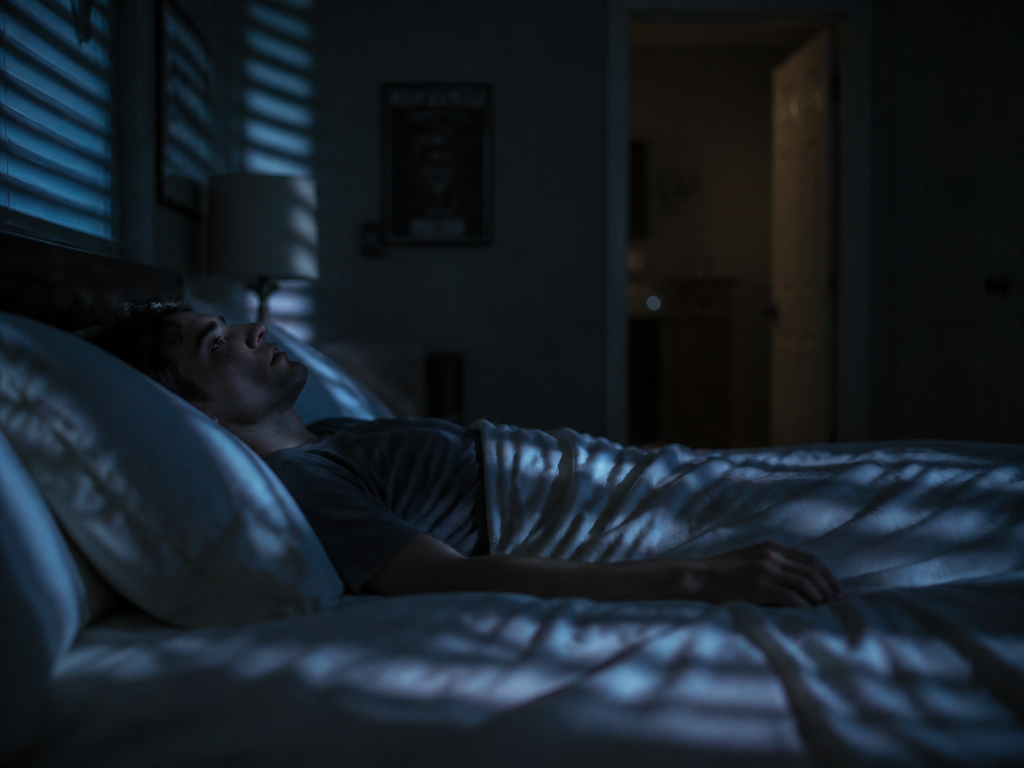
The 3 a.m. Question: When Sleep Patterns Are Worth Telling a Doctor About
At 3:07 in the morning you are awake, and the question arrives fully formed: is this a problem? Not the tiredness — you've made a kind of peace with the tiredness.
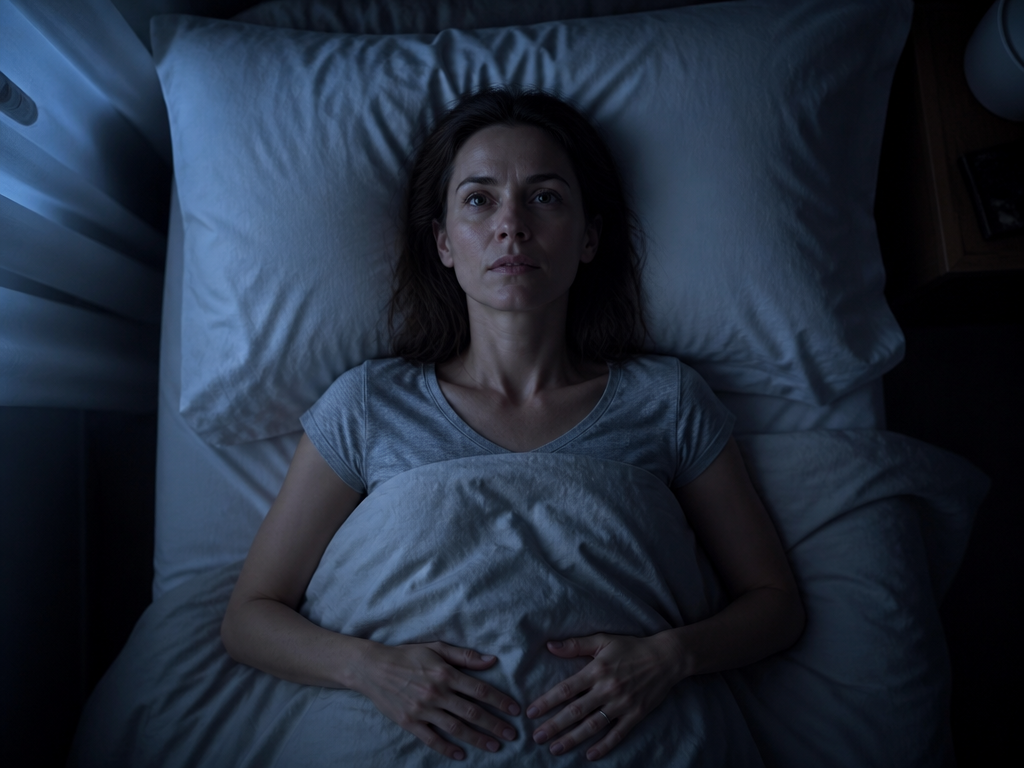
Who Actually Gets Sleep Apnea? The Body Type Myth, Compared Against the Data
Picture the person you think has sleep apnea. For most people the image arrives fully assembled: a middle-aged man, heavyset, snoring loud enough to rattle a door, going quiet for a few seconds, then…
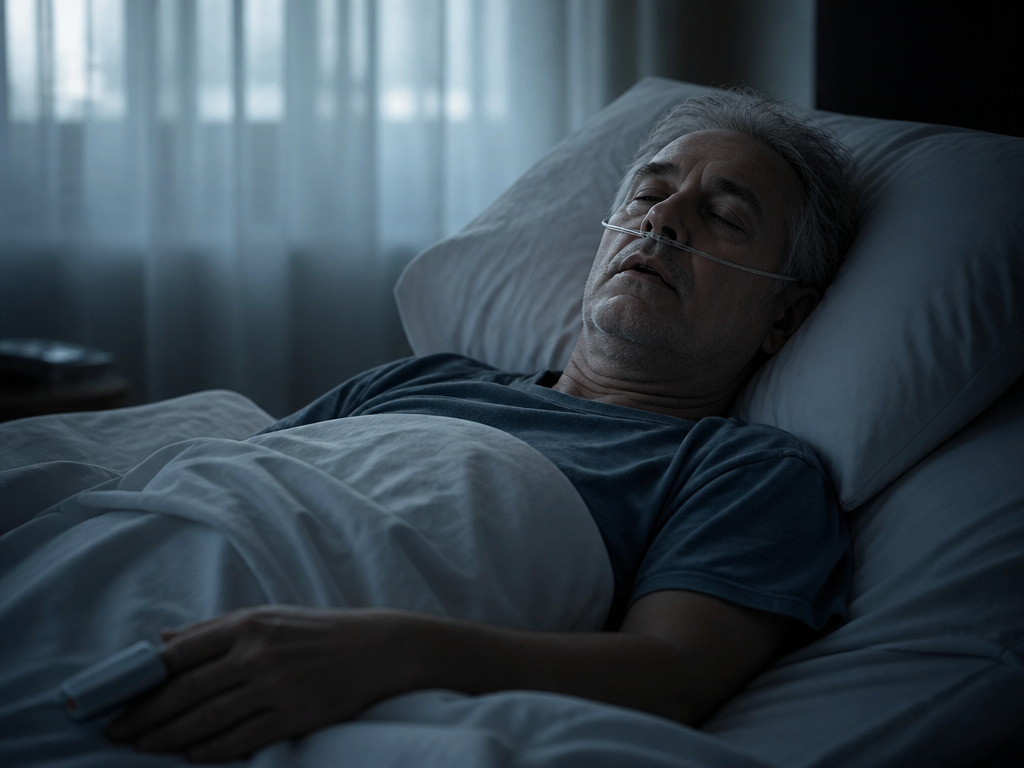
What "Mild" Sleep Apnea Actually Means When the Number Is Five
The number came back as 6.2. That was my apnea-hypopnea index — the AHI — from a home sleep test I'd worn for one night, a nasal cannula taped under my nose and a pulse sensor clipped to a finger.
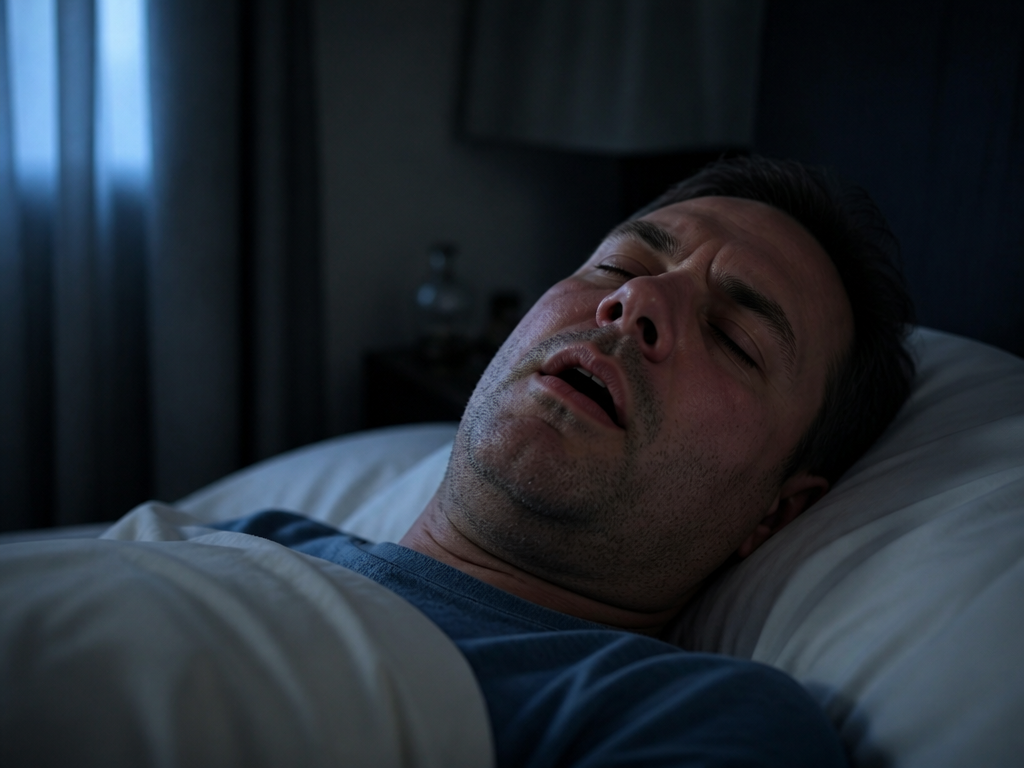
Sleep Apnea Types: What the Diagnosis Actually Tells You
You get the report and there's a number on it. The apnea-hypopnea index — the AHI — counts how many times an hour your breathing stopped or shrank. Five is the threshold. Fifteen is moderate.
The 80 Percent Problem: What the Numbers on Undiagnosed Sleep Apnea Actually Tell You
There's a statistic that gets repeated so often it has worn smooth: roughly 80 percent of people with moderate-to-severe sleep apnea don't know they have it.
Sleep Apnea, Defined: What the Word Actually Means When a Doctor Says It
The word is Greek. A-pnoia: without breath. When a sleep physician says sleep apnea, they are naming something almost comically literal — you stop breathing, briefly, while you sleep, and then you…