Sleep Hygiene
Sleep hygiene covers the habits and routines that improve sleep quality: bedroom temperature, light exposure, caffeine timing, and wind-down practices.
Sleep Hygiene Starts With the Room: What 40 Lux Actually Does to You
Turn on your bedroom light and glance at it. Somewhere between 100 and 300 lux is hitting your eyes right now — a normal indoor evening.
Sleep Disorders vs. Bad Habits: What the 15-Minute Rule Actually Tells You
There is a number that sleep clinicians carry around in their heads: fifteen minutes. That is roughly how long a healthy adult should take to fall asleep after the lights go out.
CPAP Maintenance Versus Bedroom Hygiene: Which One Actually Protects Your Sleep?
Pull the water chamber off a humidifier that's been sitting since this morning and tip it toward the light.
Sleep Hygiene Is Mostly One Number: What "Stimulus Control" Actually Does
There is a number behind good sleep hygiene that almost no one quotes, and it is more useful than anything you've read about blue light.
Sleep Hygiene Isn't a Bedtime Routine: What Actually Moves the Needle
There is a version of sleep advice — you have read it, probably this week — that reads like a spa menu. Dim the lights. Lavender. No screens after nine. A cool, dark room. A cup of chamomile.
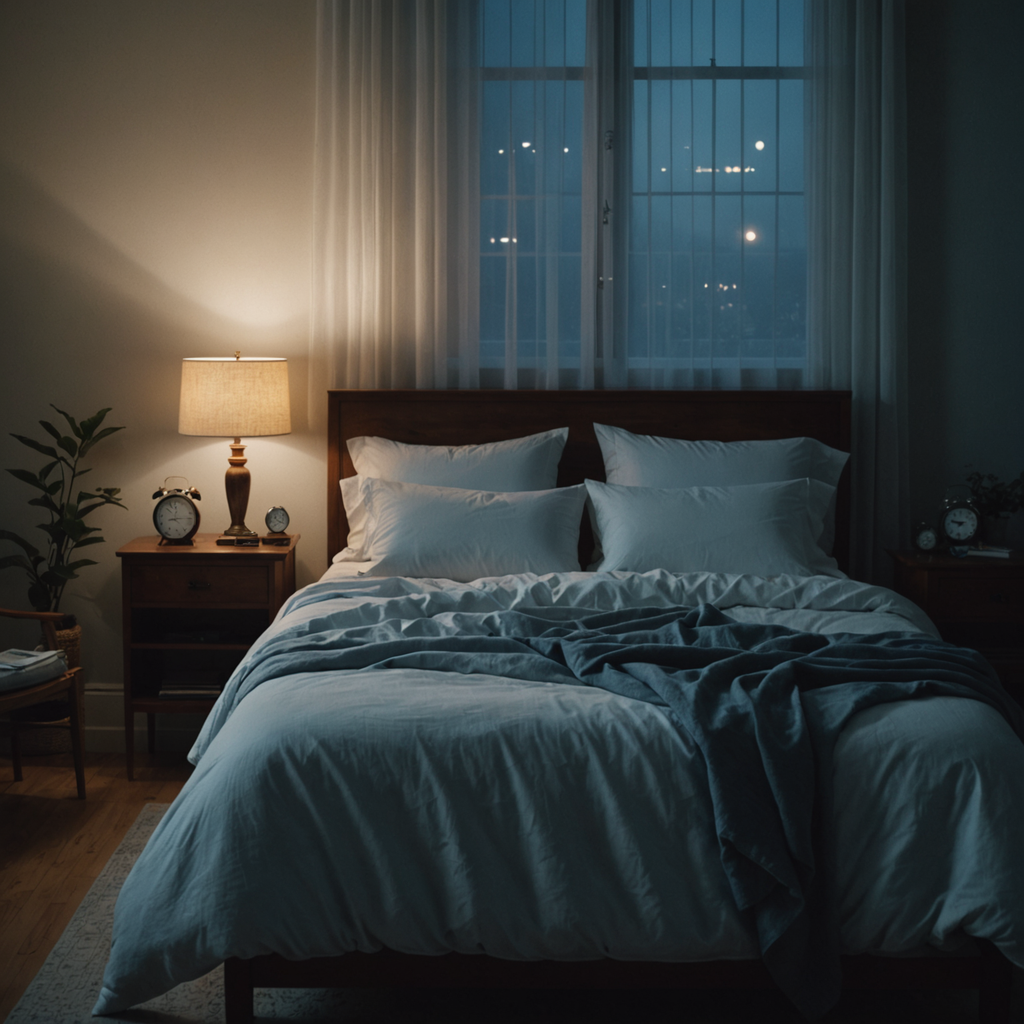
Sleep Hygiene Is Mostly Right, and Mostly Oversold
You have read the list before. Keep the bedroom cool and dark. No screens an hour before bed. No coffee after 2 p.m. Go to bed and wake up at the same time. Take a warm bath. Don't nap. Don't drink.