Sleep Science
Sleep science studies why we rest, dream, and wake — covering circadian rhythms, REM cycles, and sleep debt through research breakdowns, essays, and field notes.
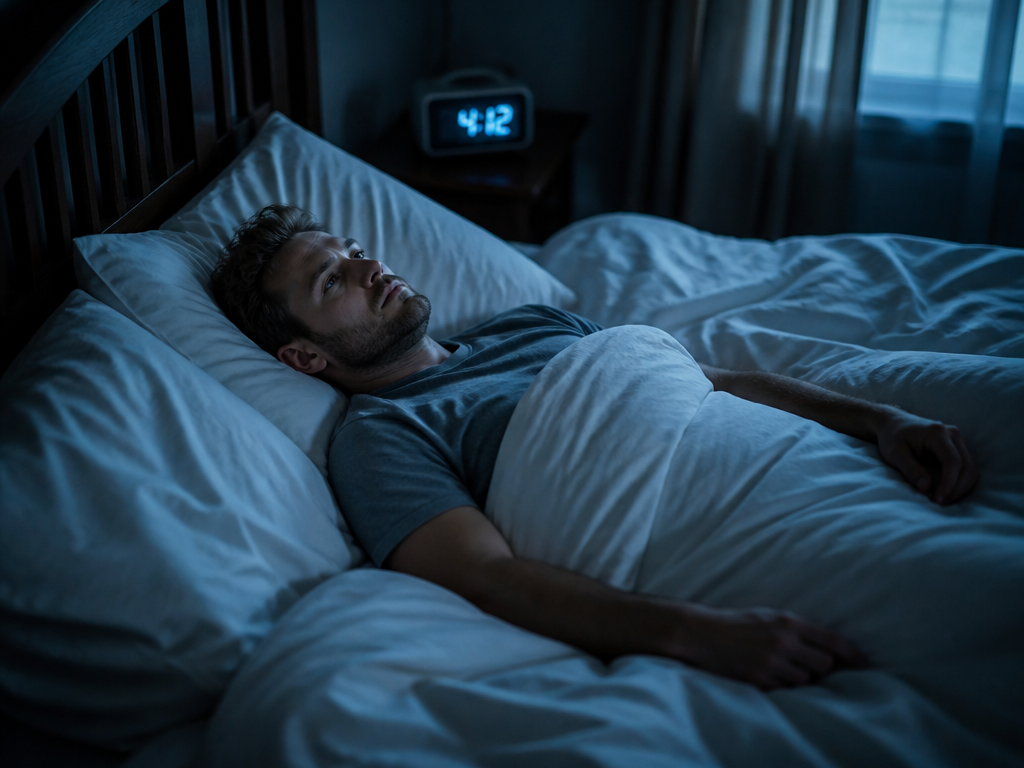
The Sleep Duration Number Everyone Misreads: What "Four Hours Is Enough" Actually Measured
There is a story that circulates, usually delivered with a note of envy, about people who need only four hours of sleep and function beautifully. Margaret Thatcher is the patron saint of it.

Postprandial Somnolence: Why Lunch Makes You Sleepy, in the Order It Actually Happens
You finish lunch, sit back down at your desk, and within forty minutes the screen starts to blur. You've probably been told why: blood rushes from your brain to your gut to handle the meal, and your…
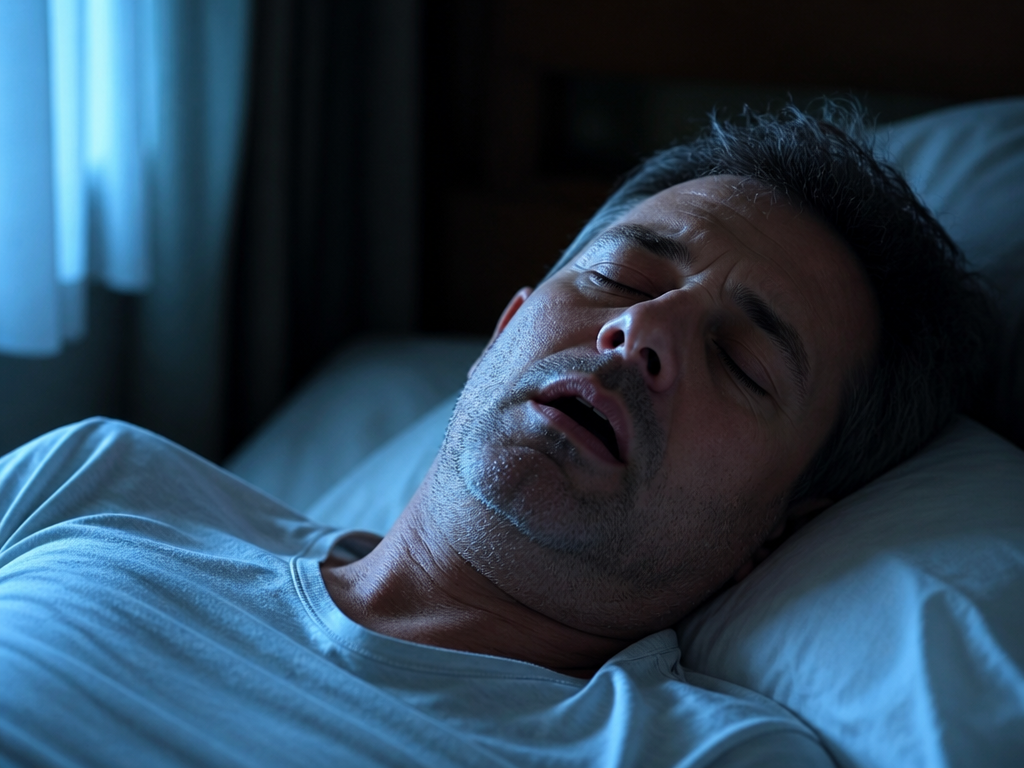
Sleep Apnea, Defined: What the Word Actually Means and How We Decided It Mattered
There is a number sitting underneath the diagnosis of sleep apnea, and most people who get the diagnosis never hear it. The number is five.
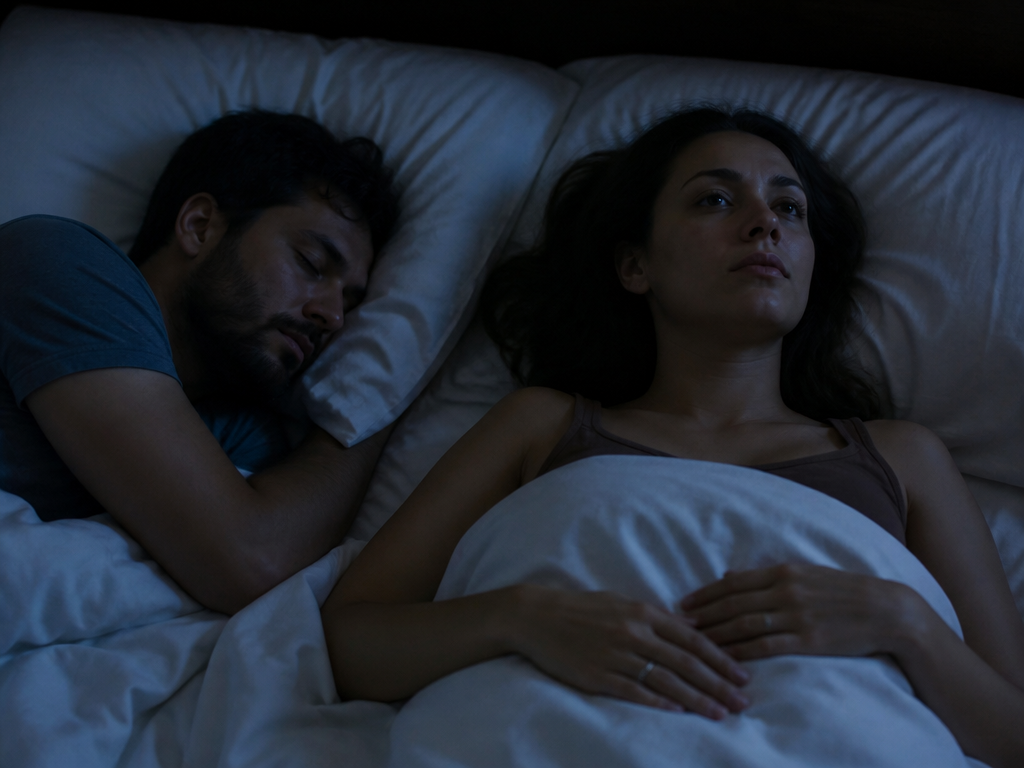
Sleep Quality Disparities Are Real — But Your Circadian Rhythm Isn't the Villain You Think
You have heard the clean version of this story. Everyone runs on a 24-hour clock. Light sets it, melatonin obeys it, and if you lie awake at 1 a.m.
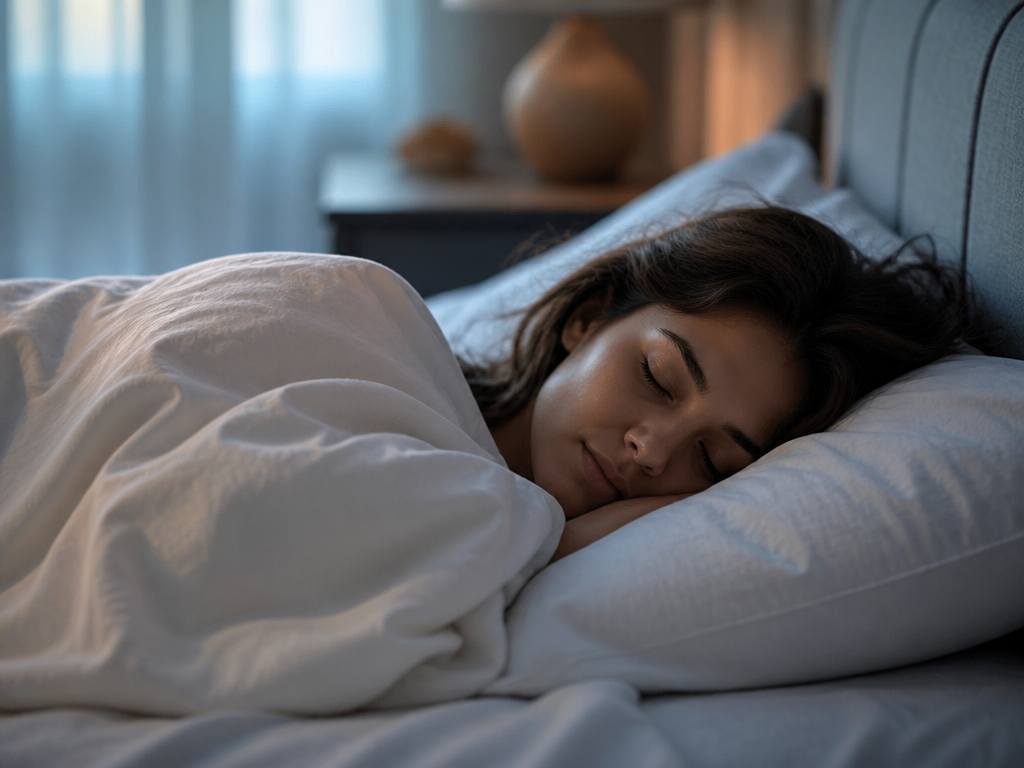
Do Women Really Need More Sleep Than Men? What the Sleep Biology Actually Says
There is a number that gets passed around like a fact: women need 20 extra minutes of sleep a night. Sometimes it's framed more dramatically — women need more sleep because they use their brains…
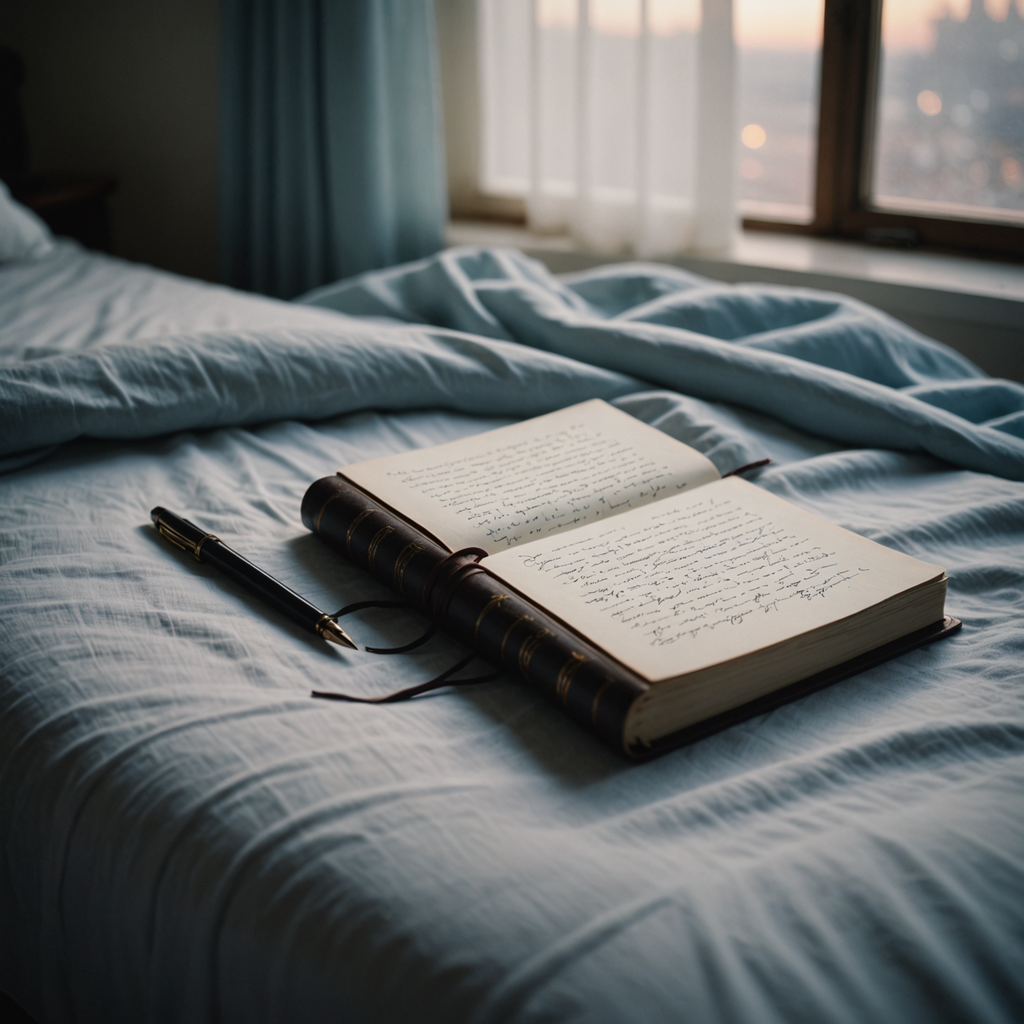
Dreams and Dream Meaning: What a Diary Can Actually Tell You
The dream diary is one of those rituals that survives changes in fashion the way sourdough starters do — passed between believers, slightly modified each generation, rarely examined. Freud kept one.