Breathing
Breathing shapes both sleep quality and coffee's taste — nasal breathing, diaphragmatic technique, and airway health covered in science and field notes here.
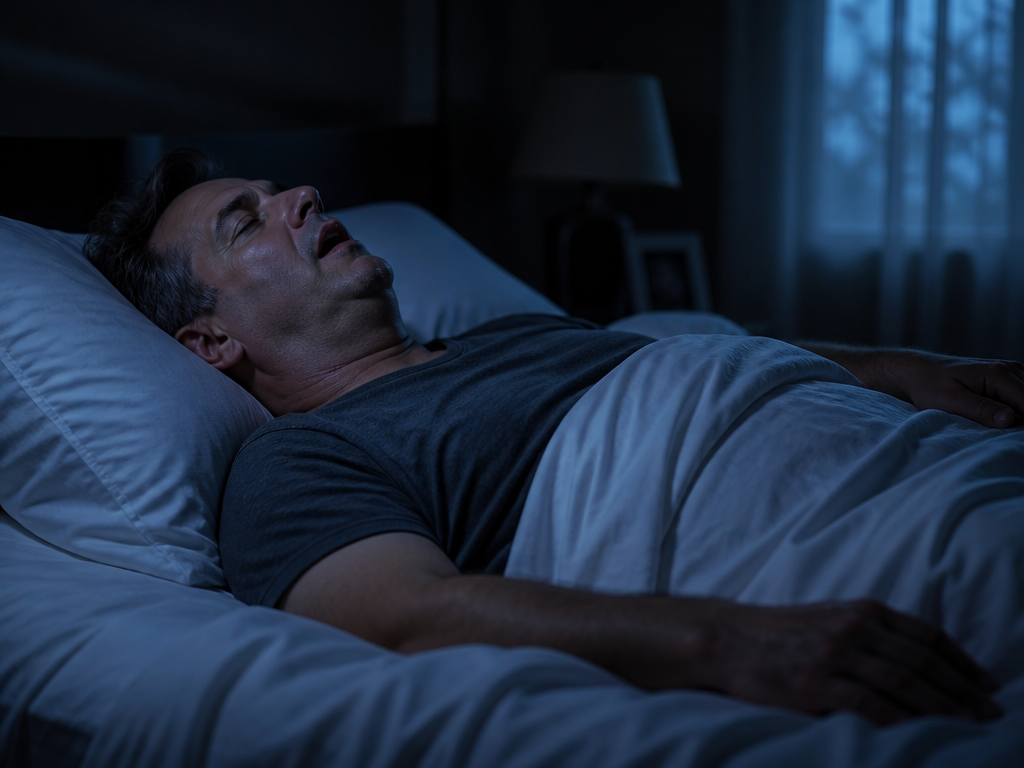
Obstructive Sleep Apnea: What the Snoring Actually Means
The advice is everywhere, and it is not wrong: if you snore and you're exhausted during the day, get checked for sleep apnea. Print it on a poster. It has sent a lot of people to the right clinic.
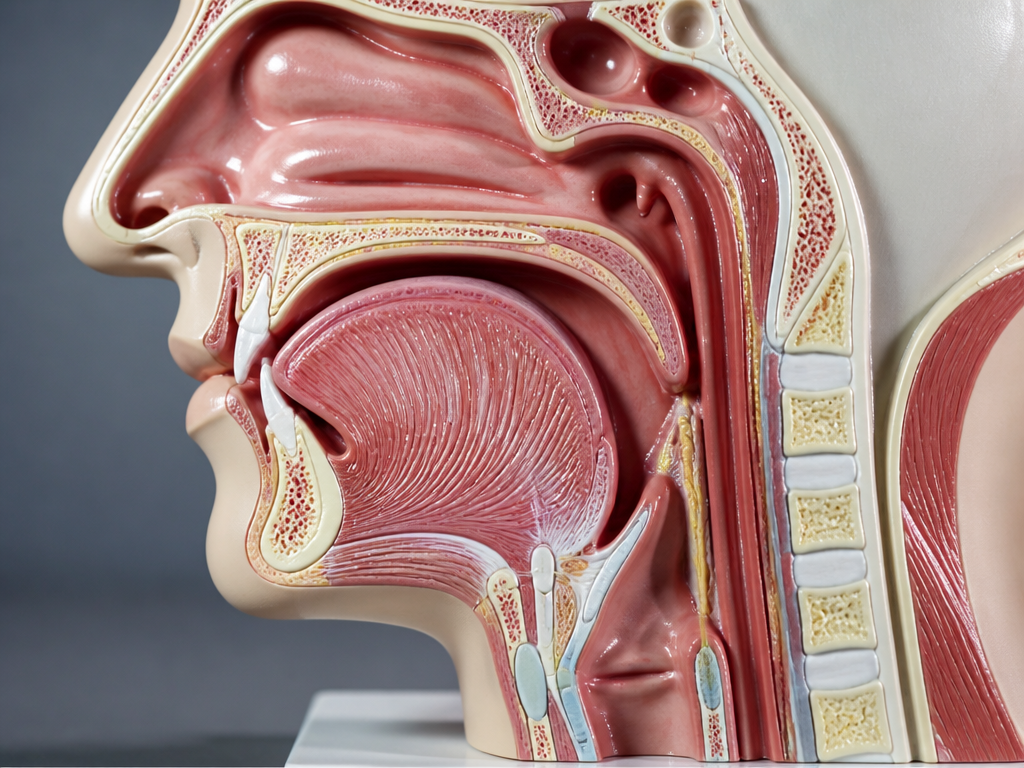
Why Does Your Throat Close at Night? Understanding Obstructive Sleep Apnea From the Inside Out
Patients ask it more often than you'd think, usually in a lowered voice, as if the question itself is embarrassing: If I stop breathing in my sleep — really stop — why don't I just die?
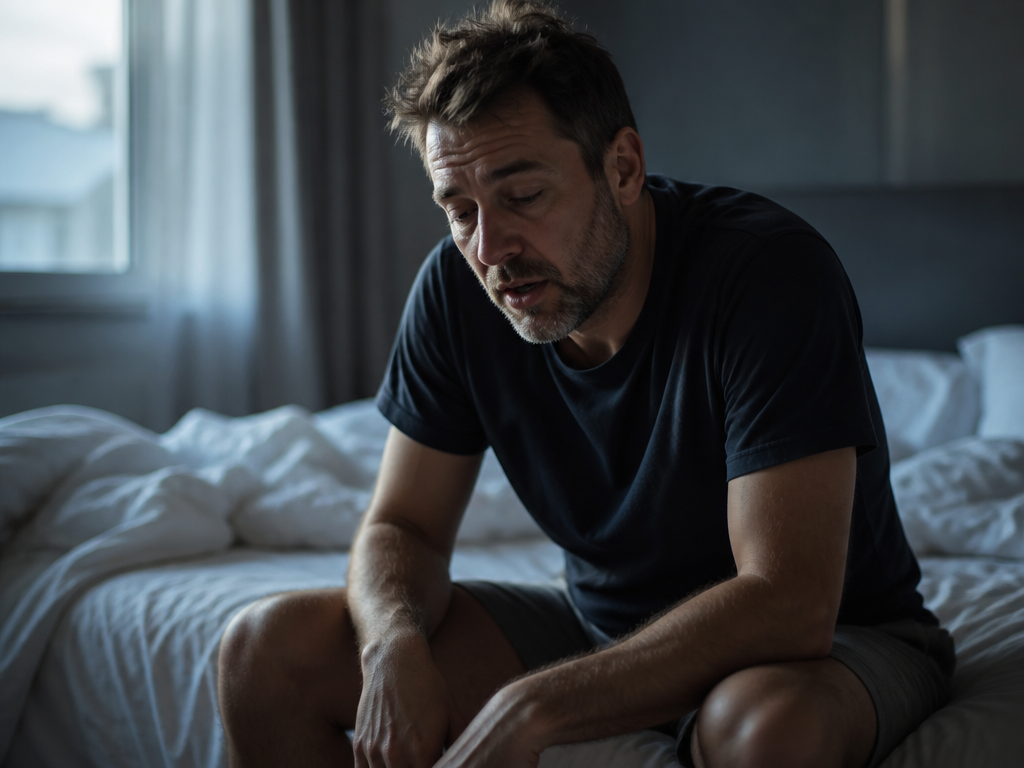
COPD Basics for People Who Wake Up Tired: The Myth of the "Smoker's Cough"
A cough you've had for years stops being a symptom and starts being a personality trait. The morning hack, the throat-clear before you talk, the way you avoid stairs and call it getting older.
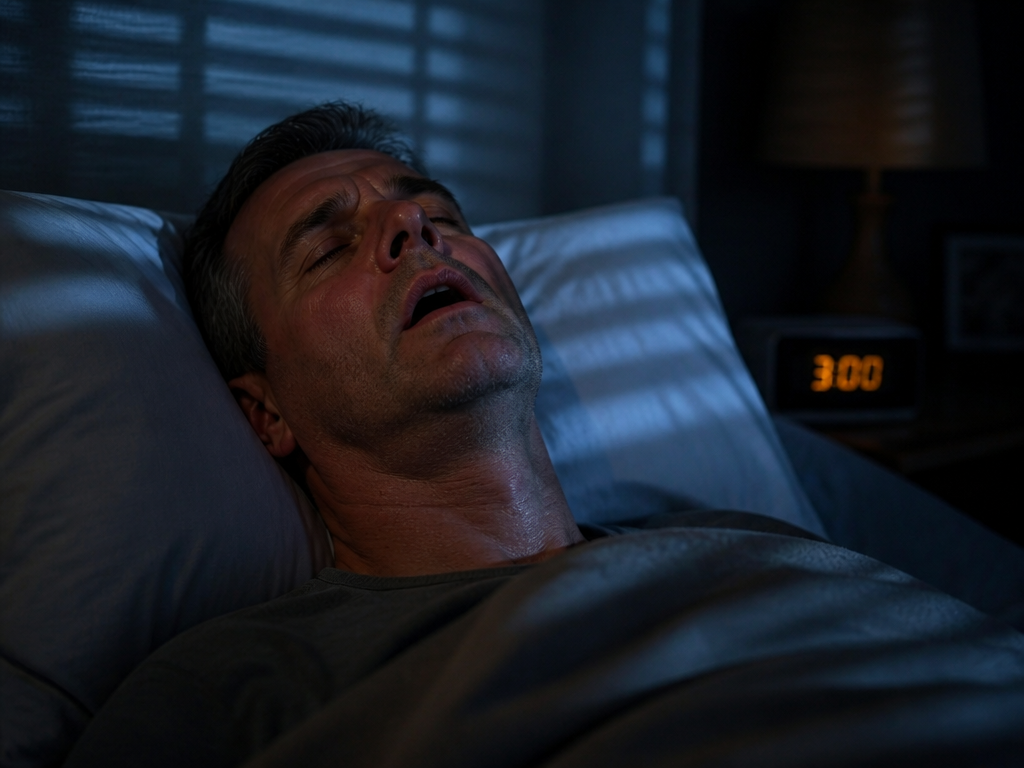
Sleep Apnea: What Actually Happens in Your Throat at 3 a.m.
The loudest thing about sleep apnea is the silence. A partner learns the rhythm: the snore that builds, crests, and then — nothing. Five seconds. Ten. Twenty.
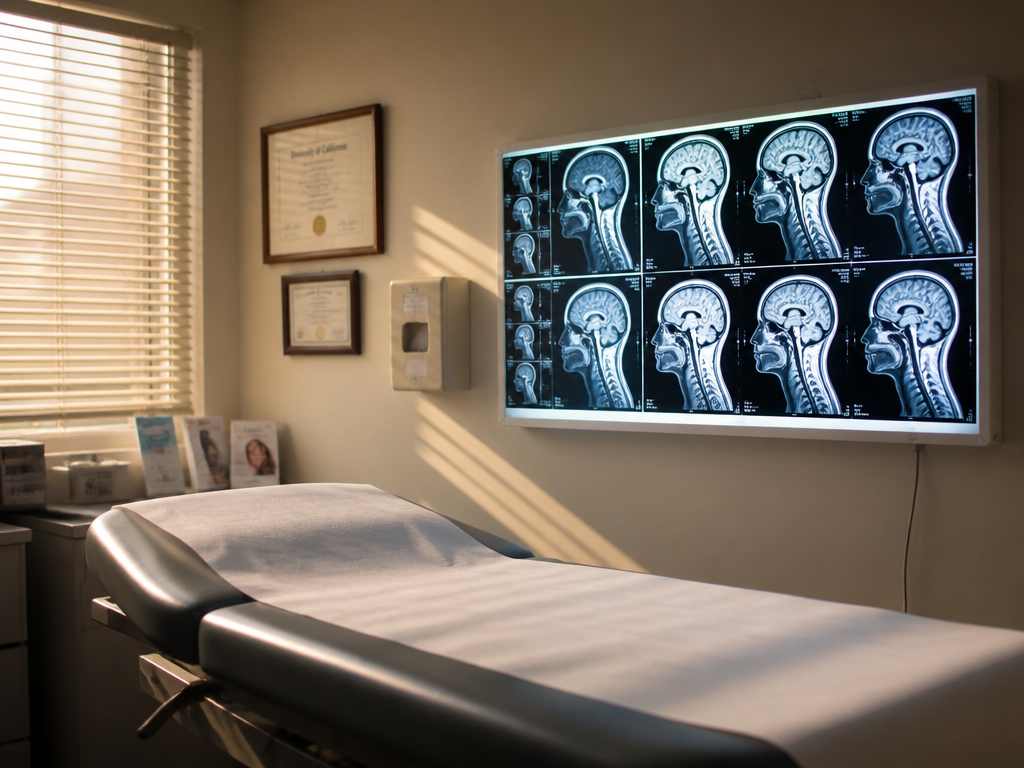
Sleep Apnea Causes: Why "Lose Weight and It'll Go Away" Is Only Half True
You have probably heard the short version. Somebody snores, somebody stops breathing in the night, and the advice arrives almost before the diagnosis does: lose some weight and it'll clear up.
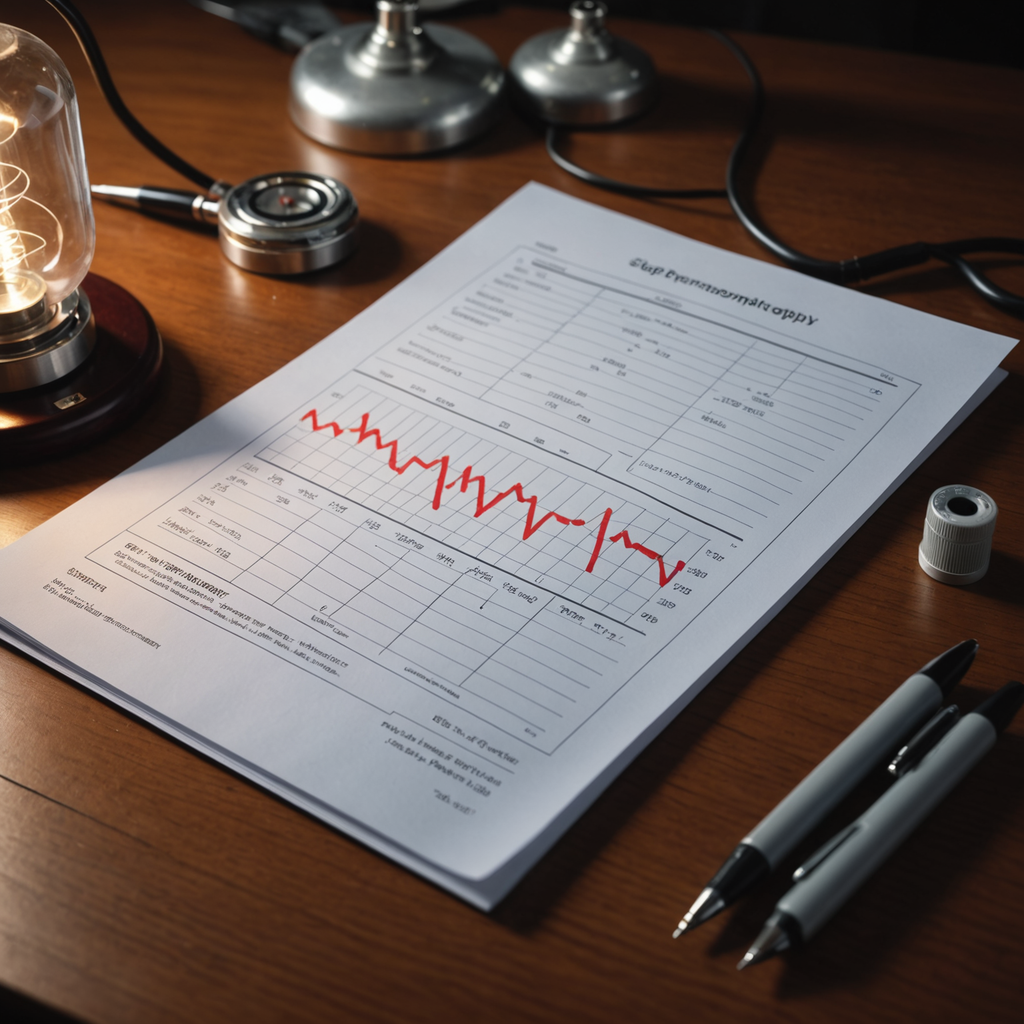
Sleep Apnea: What One Number Tells You, and What It Hides
A sleep physician will, at some point in the first appointment, write down a single number and circle it.