The Journal.
Every essay, review, field note, and interview we've published. New pieces arrive on Tuesdays; full issues close every three months.
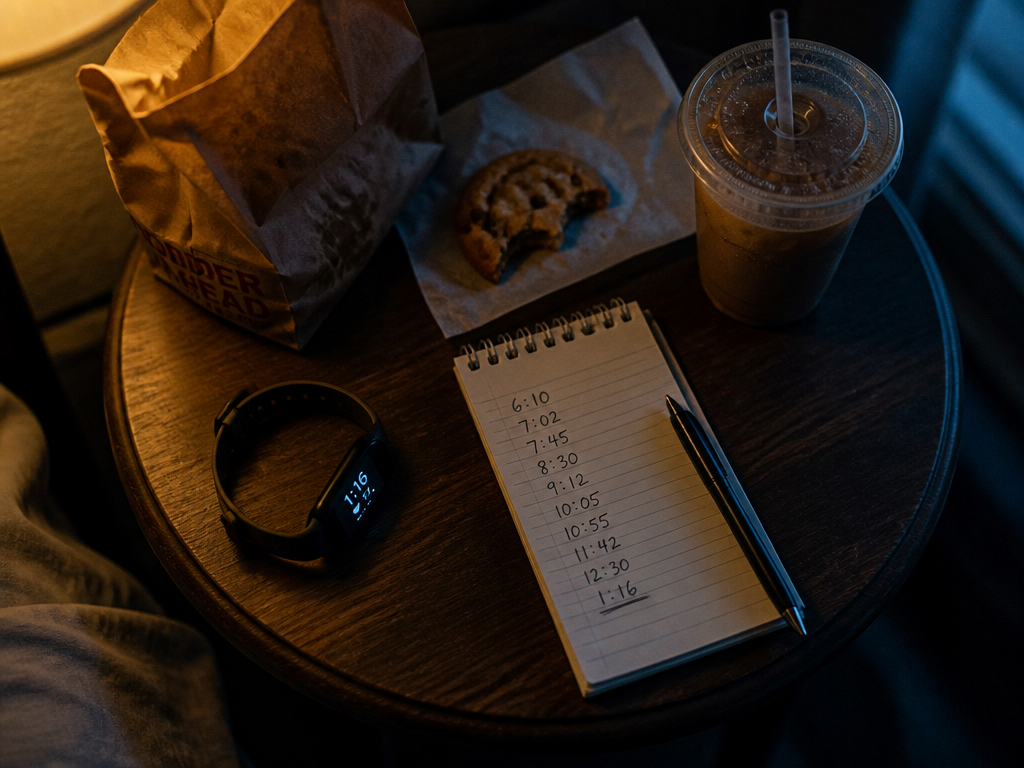
A Local Business Opening at 11 p.m.: Fourteen Nights of Guelph Late-Night Delivery, Timed and Measured
The line outside the new cookie counter on Wyndham started forming at 10:40 p.m. on a Friday — a local business opening timed, deliberately, for the hour when most kitchens in this city are already…
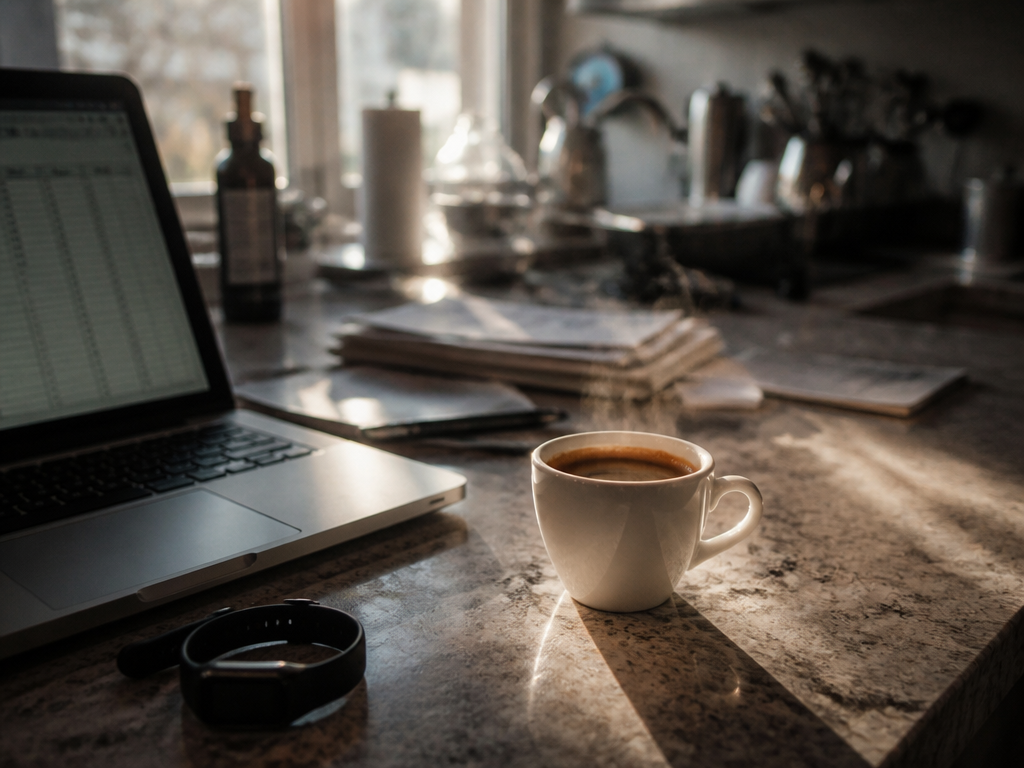
One Espresso, One Night, One Number: How to Read Health Trends Without a Lab
On a Tuesday in February I drank a double espresso at 4:12 p.m. — call it 150 milligrams of caffeine — specifically because I wanted to catch my own sleep in the act of falling apart.
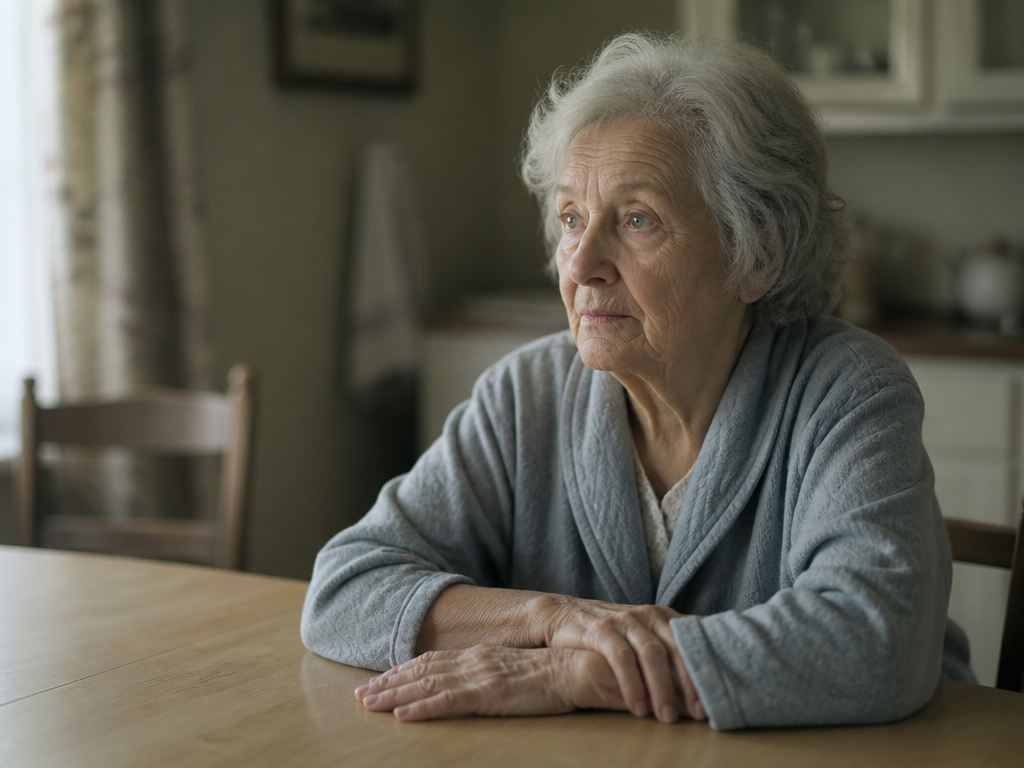
Oral Health Quality of Life (OHRQoL) Is a Psychosocial Instrument. We Keep Reading It as a Dental One.
Restore the dentition, and quality of life follows. The claim is old enough to be furniture. It sits in geriatric dentistry syllabi, in long-term-care oral hygiene protocols, and in the justification…
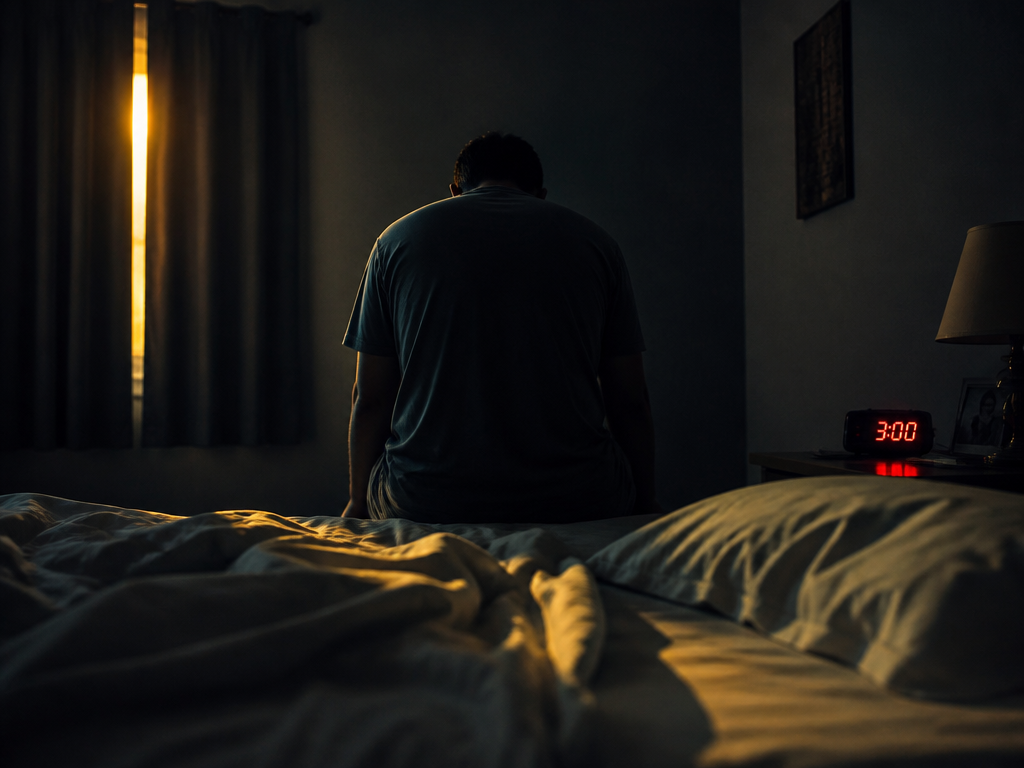
The Decibel Was Never Built to Measure Sleep Deprivation
When a neighbor-noise dispute escalates far enough to produce an arrest, the news report almost always carries a number. Eighty-two decibels. Ninety.
What the Fecal Transplant Insomnia Trial Actually Showed — and What Happened When I Tried the Grocery-Store Version
The number that got my attention was fourteen. That's roughly how many percentage points of sleep efficiency a small randomized trial reported gaining in adults with chronic insomnia after a course of…
Neuroticism and Exercise: Is Quitting the Gym a Character Flaw or a Factory Setting?
The question I kept circling was narrow and a little humiliating: after fifteen years of joining gyms and quitting them, is my inability to stick with exercise a defect of character I could fix with…
The Two Hours in the Middle: What the Biphasic Sleep Study Actually Measured
The number is two hours. In 1992, the psychiatrist Thomas Wehr ran an experiment that still anchors almost every serious conversation about biphasic sleep.
Night Eating Syndrome Diagnosis and Definition: What Ten Weeks of CBT Actually Changed
Cognitive behavioral therapy for night eating syndrome spends almost no time on the eating. That is the thing nobody told me before I started, and it is the reason I am writing this.
Why Obstructive Sleep Apnea Gets Worse When Your Nose Is Stuffed
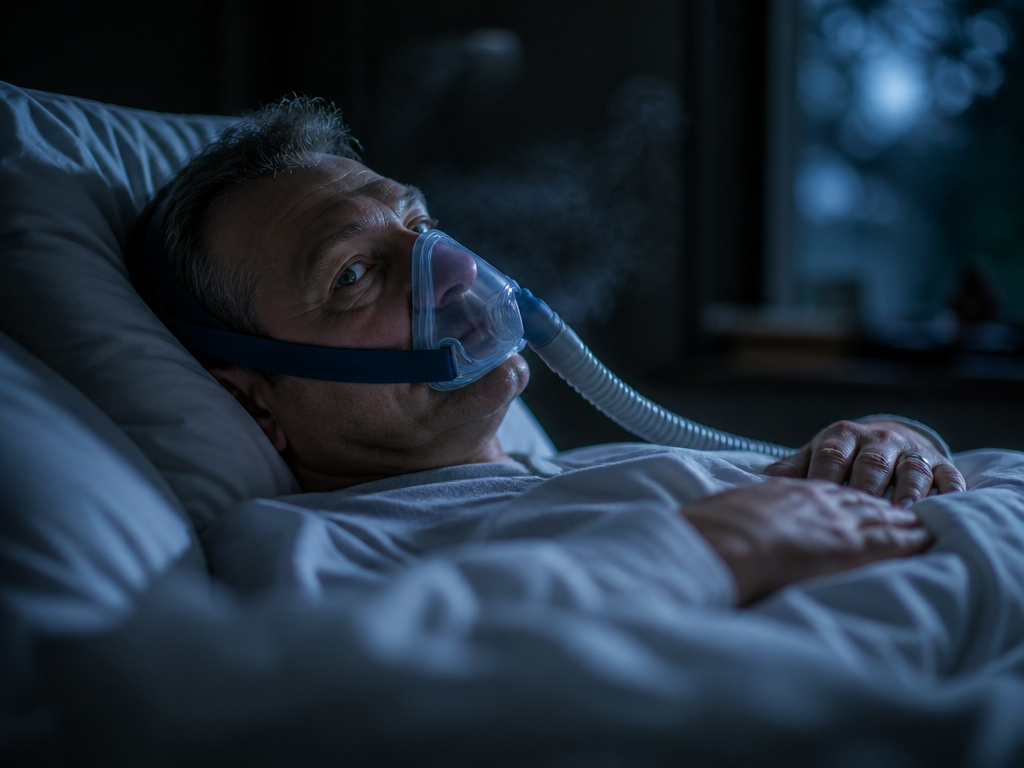
There is a sentence that circulates in sleep clinics and CPAP forums, repeated with the confidence of settled fact: a stuffy nose makes sleep apnea worse.
Obstructive Sleep Apnea Treatment: One Airway, Many Doors
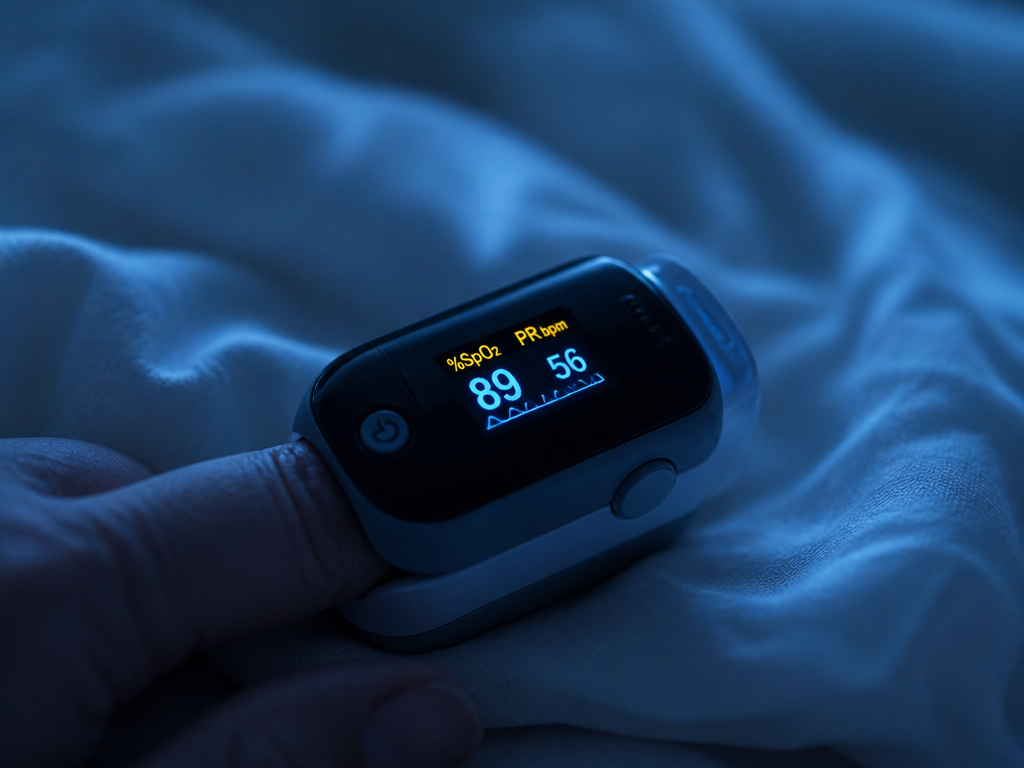
The pulse oximeter clipped to my finger recorded a number I did not want to see. At 3:14 a.m., my blood oxygen had dropped to 84 percent. Twelve seconds later it climbed back to 96.