Circadian
Circadian rhythm is your body's 24-hour internal clock, shaping sleep timing, alertness, and hormones — essays, science, and field notes on living with it.
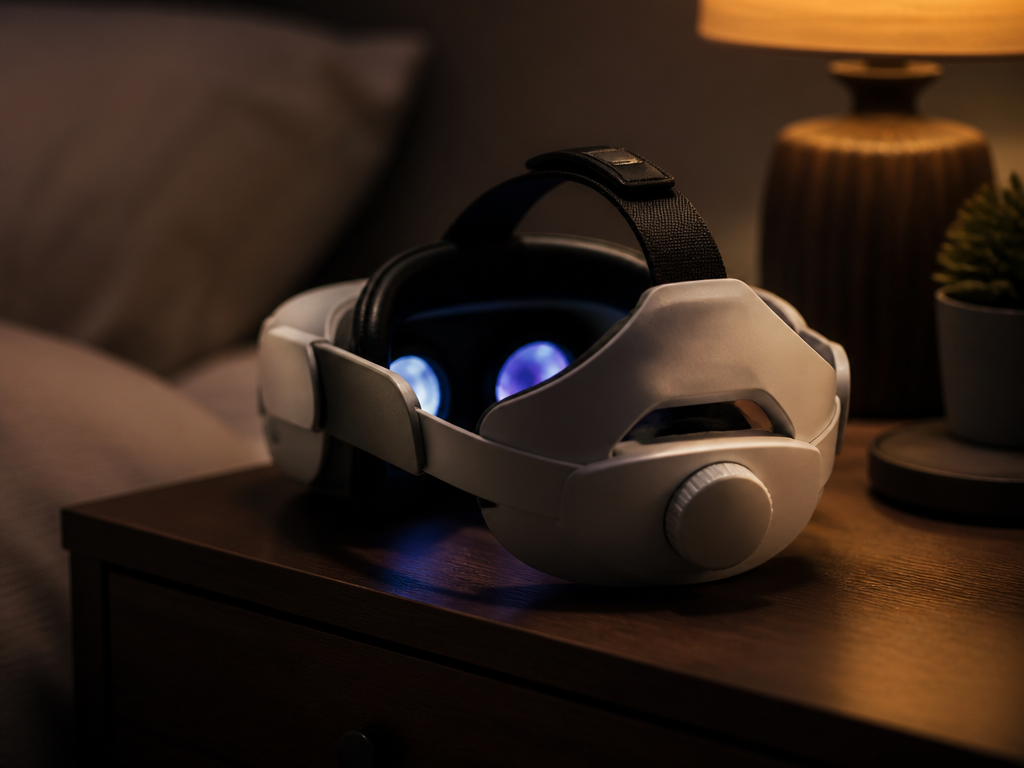
What Product Design Awards Actually Tell You About a VR Headset Like the Meta Quest 2
A strap won an award. Not the headset — the strap. When a third-party accessory for the Meta Quest 2 picked up a design citation a few years back, the press release did what press releases do: it…

Outdoor Activity and Sleep: Does the Light Matter More Than the Exercise?
A friend tells you she sleeps better on the days she runs outside. She probably does. The question is why — and it's not the question most people answer.
Sleep Hygiene Isn't a Bedtime Routine: What Actually Moves the Needle
There is a version of sleep advice — you have read it, probably this week — that reads like a spa menu. Dim the lights. Lavender. No screens after nine. A cool, dark room. A cup of chamomile.

The Quiet Cost of Daylight Saving Time: What "Gaining an Hour" Actually Does to Your Circadian Rhythm
Every fall, around the first Sunday in November, a particular sentence makes the rounds at dinner tables: at least this is the good one — we get an hour back.
Sleep Hygiene Is Mostly Right, and Mostly Oversold
You have read the list before. Keep the bedroom cool and dark. No screens an hour before bed. No coffee after 2 p.m. Go to bed and wake up at the same time. Take a warm bath. Don't nap. Don't drink.
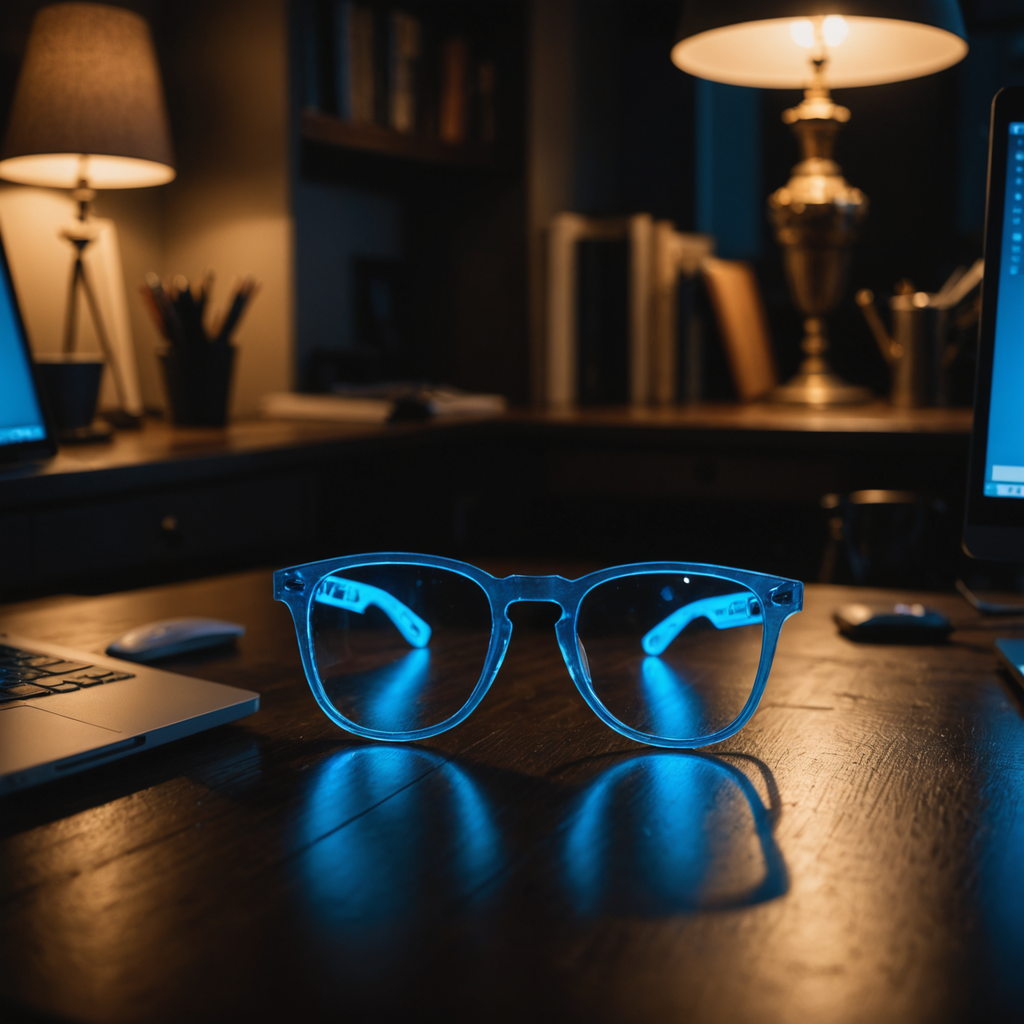
What Blue Light Blocking Glasses Actually Do (and Where the Wavelength Story Falls Apart)
The advice, by now, has the worn smoothness of a river stone: wear blue light blocking glasses in the evening and you will sleep better.