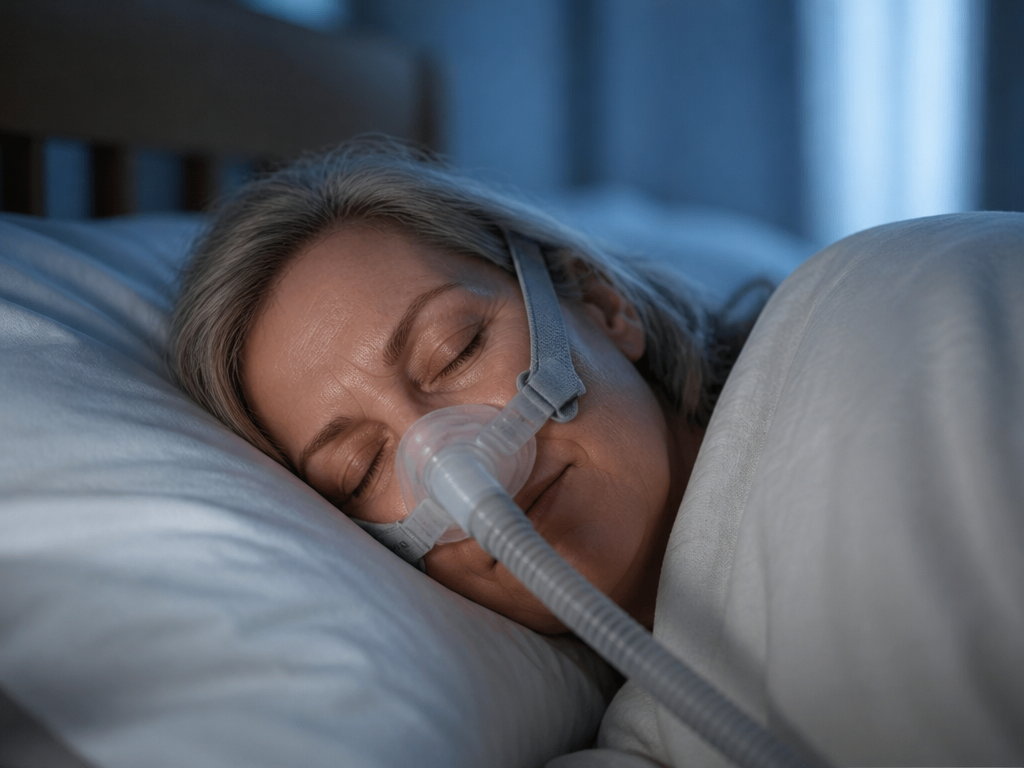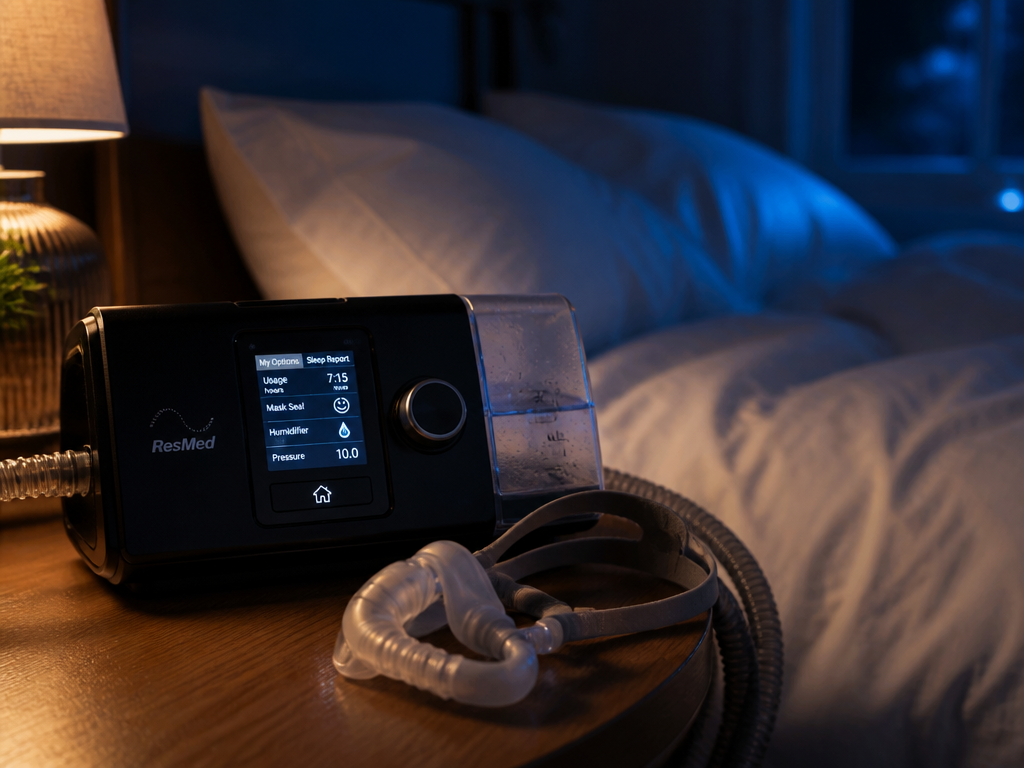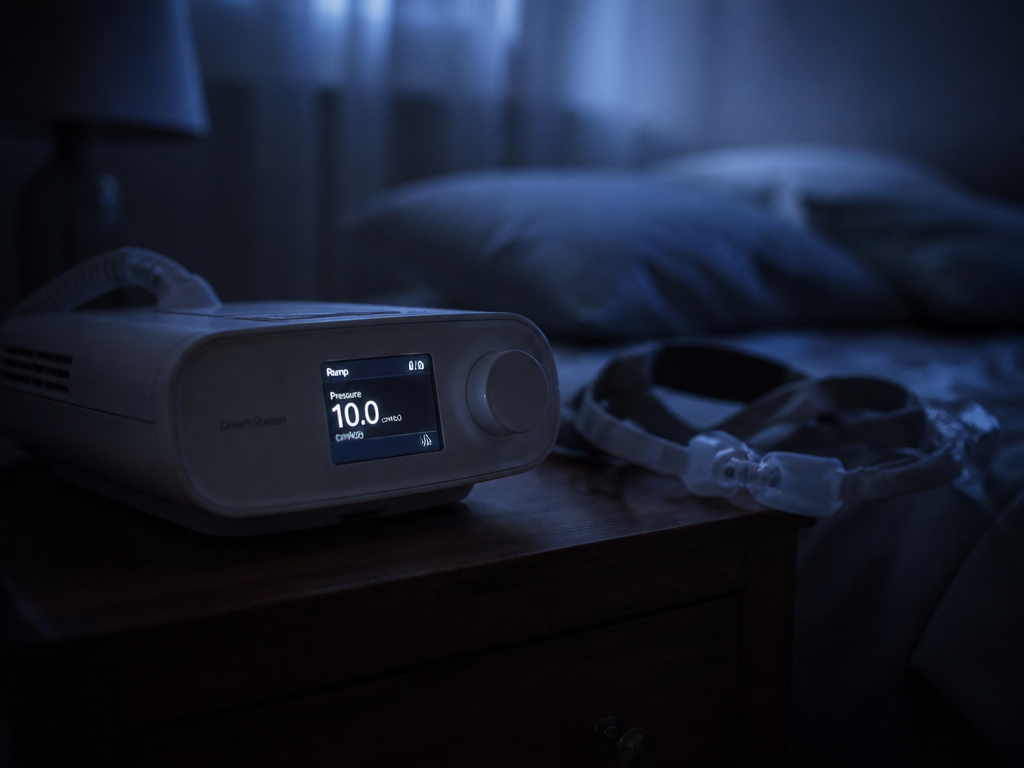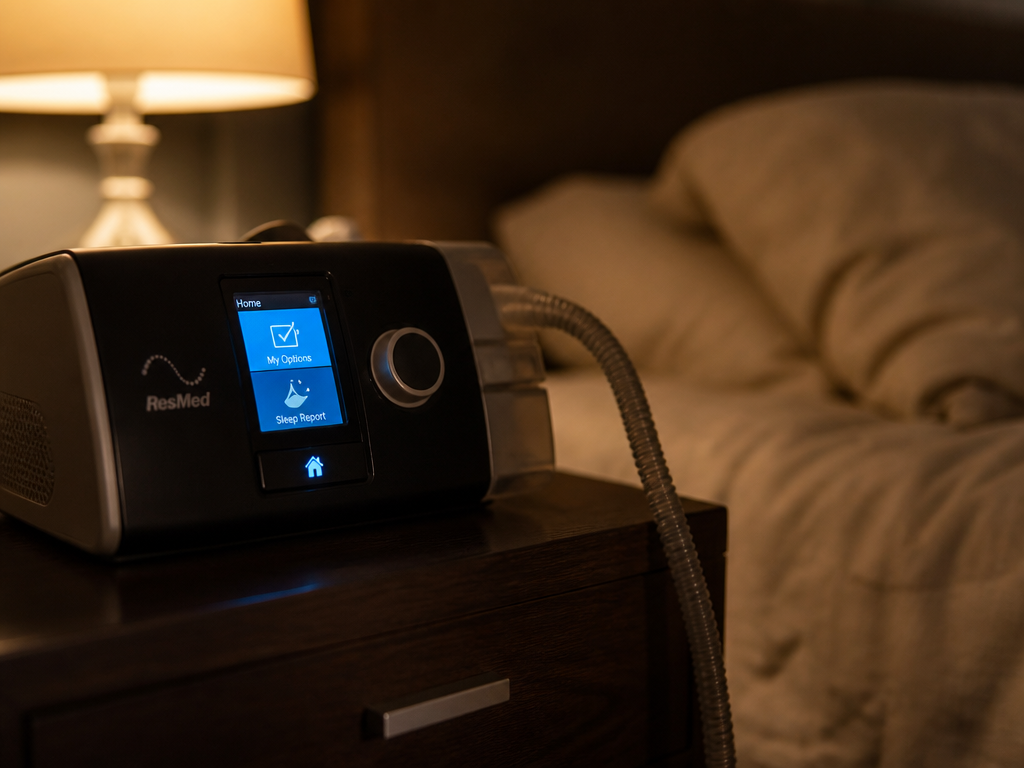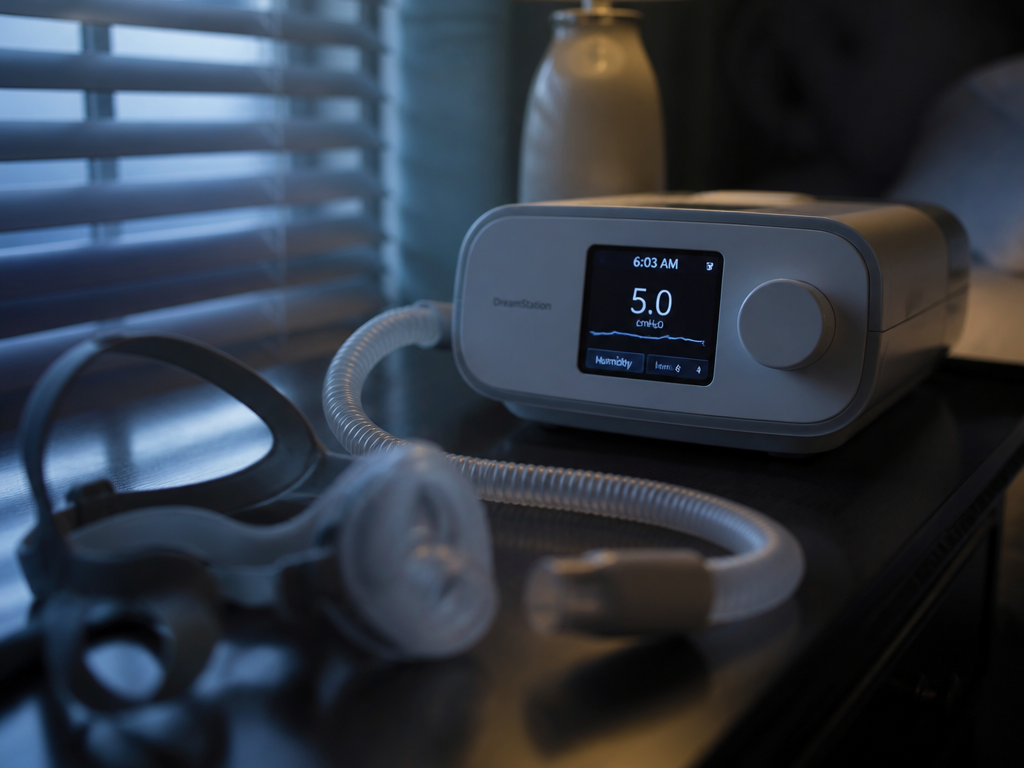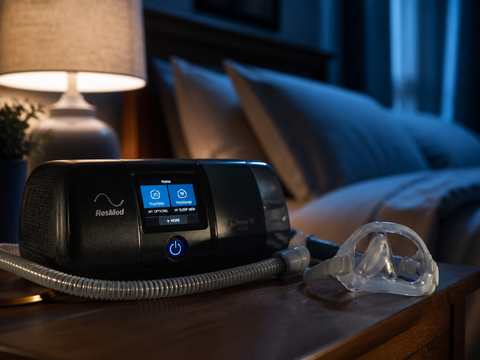
The myth goes like this: a CPAP machine is a loud plastic box that pumps air through a mask strapped to your face, you wake up feeling like you've been scuba diving against your will, and within a month the whole rig is in a closet gathering dust. I believed a version of this. So did my partner, who is the reason I got tested in the first place — she'd been counting the gaps between my snores like a worried metronome.
I ran CPAP therapy for thirty consecutive nights after a diagnosis of moderate obstructive sleep apnea, logging every number I could get my hands on. Here is the field report.
The verdict
CPAP therapy works as advertised and is far quieter and less intrusive than its reputation, but the first week is genuinely awful and that's the part nobody warns you about plainly enough.
The evidence: thirty nights of numbers
My diagnostic sleep study put my AHI — the count of breathing events per hour — at 22. That's "moderate," and it's roughly one airway collapse every three minutes. The machine I was issued logs the same number nightly and uploads it to an app.
Here's the arc, pulled from my own data:
| Night range | Avg AHI | Avg sleep onset | Mask leak |
|---|---|---|---|
| 1–3 | 9.1 | 41 min | High |
| 4–10 | 4.0 | 26 min | Moderate |
| 11–20 | 1.8 | 14 min | Low |
| 21–30 | 1.3 | 11 min | Low |
The first three nights, I lay awake fighting the airflow and the strap pressure, and my onset latency ballooned to over forty minutes. By the third week I was falling asleep faster with the machine than I had without it for years. The AHI drop from 22 to 1.3 is the headline: that's the difference between a collapse every three minutes and one roughly every forty-five.
The decibel reading matters too. I put a sound meter on the nightstand. The motor ran at 27 dB — below the ambient hum of my refrigerator two rooms away. My partner's verdict, recorded verbatim in my notes on night 12: "I forgot it was on." That single sentence retired more of my anxiety than any spec sheet could.
What the air actually does
The mechanism is less mysterious than the equipment looks. In obstructive apnea, the soft tissue at the back of your throat relaxes during sleep and collapses inward, blocking the airway until your brain panics you half-awake to reopen it. You rarely remember these micro-rousings; you just wake up exhausted.
CPAP doesn't push air into your lungs like a ventilator. It holds a gentle, continuous cushion of pressure in your airway — a pneumatic splint — so the tissue can't fold shut. Mine was set to 9 cm H₂O, which in practice felt like cracking a car window on the highway: noticeable for a minute, invisible after. The auto-adjusting machines now ramp pressure up only when they detect an event coming, so most of the night runs softer than the prescribed maximum.
Three masks, compared on my own face
I tried three mask styles over the month. The category names matter when you talk to your supplier.
Nasal pillows vs. nasal mask vs. full-face
- Nasal pillows (soft plugs that seal at the nostrils): lightest, least claustrophobic, best for side sleepers. But at my pressure they whistled if I shifted, and they dried my nose out without the humidifier running.
- Nasal mask (a cushion over the nose only): the comfort/seal sweet spot for me. Lowest leak numbers in the table above came from this one. Useless if you're a mouth-breather, which I am when congested.
- Full-face mask (covers nose and mouth): the one that looks intimidating in photos. Honestly the best seal during my one head-cold week, but the bulkiest, and it left a faint forehead crease until mid-morning.
If forced to keep one, I'd keep the nasal mask. It's the boring middle option and it earned it.
What I couldn't test
This is one person, one month, one apnea severity. I can't speak to severe apnea, where pressures run higher and a different machine type (BiPAP) sometimes enters the picture. I didn't test the heated tubing upgrade, so I can't tell you whether it's worth the add-on cost. And thirty nights isn't long enough to claim anything about long-term adherence — the well-documented wall a lot of patients hit is somewhere past where my log ends. My palate for "comfort" is also just mine; the strap that annoyed my forehead might fit yours fine.
Who this is for — and who it isn't
This is for you if: you've got a diagnosis (or a partner who won't stop mentioning the snoring), you're a methodical sort who'll actually look at the nightly numbers, and you can grant yourself a rough first week as the cost of admission. The data feedback loop is genuinely motivating once you trust it.
This probably isn't for you yet if: you haven't had a sleep study. Don't buy a machine off the internet to self-treat — the pressure setting is a prescription for a reason, and a wrong one is useless or worse. Get tested first.
The insurance part, plainly
The cost question stops a lot of people before they start. In the U.S., CPAP equipment is durable medical equipment, and most plans cover it once you have a documented diagnosis — frequently with a rent-to-own arrangement where the supplier bills monthly for the first several months. The catch worth knowing: many insurers require compliance data (typically use of at least four hours a night, most nights, in the first 90 days) before they'll pay through to ownership. The machine reports this automatically. Translation: showing up matters, financially as well as medically. Ask your supplier for the exact threshold before night one, not after.
The close
The myth: a CPAP machine is a loud, suffocating contraption you'll abandon within a month.
The more accurate version: it's a near-silent air cushion that took my breathing interruptions from one every three minutes to almost none, cost me one rough week, and earned a permanent spot on the nightstand — provided you get properly diagnosed first.