Daniel Whitfield
The Two Hours in the Middle: What the Biphasic Sleep Study Actually Measured
The number is two hours. In 1992, the psychiatrist Thomas Wehr ran an experiment that still anchors almost every serious conversation about biphasic sleep.
Sleep Apnea and Cardiovascular Risk: What the Snoring Actually Costs Your Heart
Everyone knows the sleeper who saws logs all night and swears they slept like the dead. The snoring is treated as proof of depth — a body so thoroughly unconscious it forgets to be quiet.
Sexsomnia Is a Sleep Disorder, Not a Punchline
A person can initiate sex while asleep, complete it, and wake with no memory of any of it. Not a fantasy, not a euphemism, not an excuse cooked up the morning after.
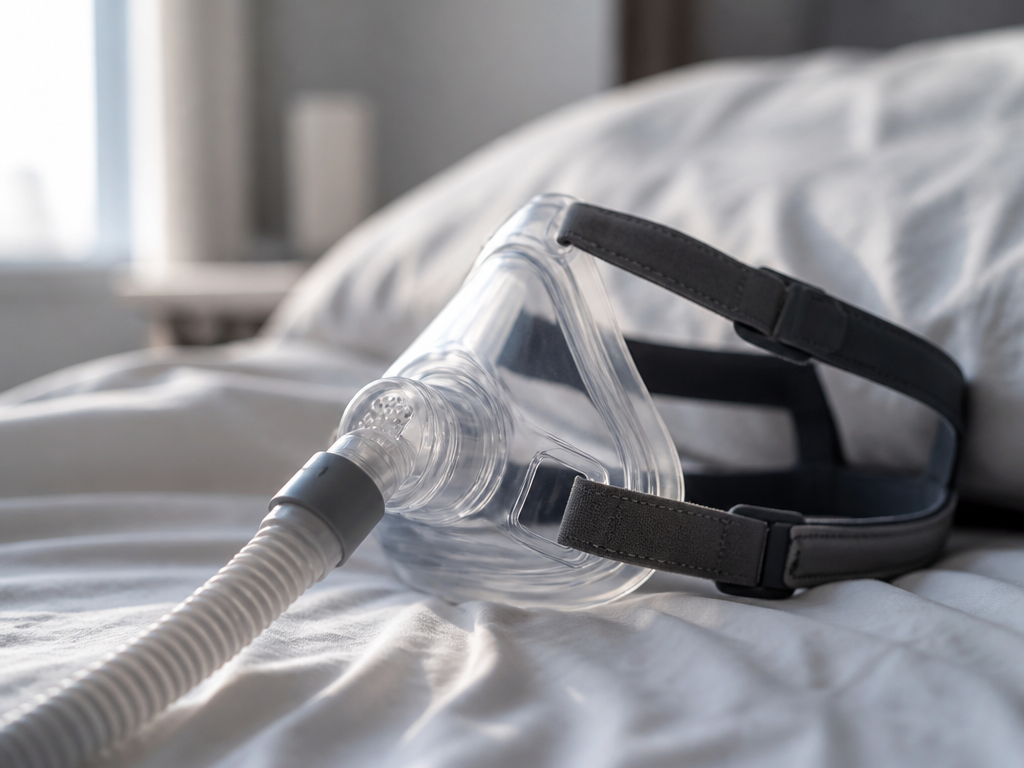
Thirty Nights of CPAP Therapy: Which Desensitization Method Actually Got the Mask On My Face
The device does not care whether you like it. A CPAP machine will deliver its prescribed pressure whether you sleep four hours or forty minutes, and for the first week of CPAP therapy I mostly…
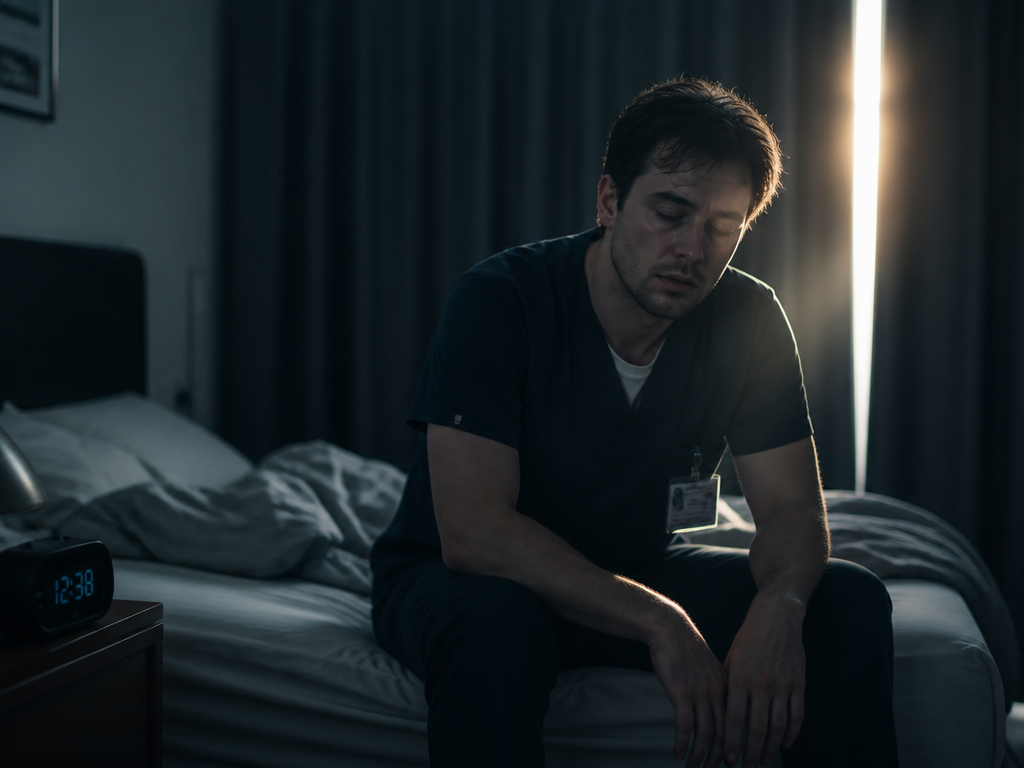
Shift Work Disorder Is a Diagnosis, Not a Feeling — Here's How the Line Got Drawn
Most people who work nights assume the exhaustion is just the job. You sleep badly during the day, you're wrecked at 3 a.m., and you tell yourself this is what you signed up for.
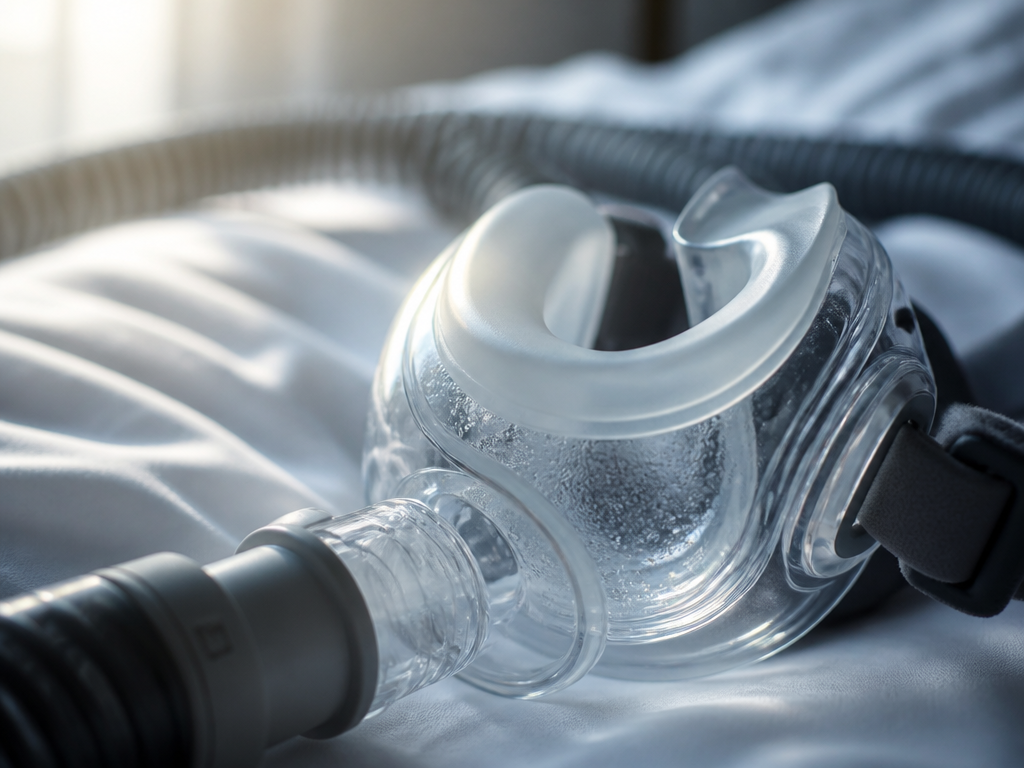
CPAP Masks and the 50 Percent Problem: Why Adherence, Not Airflow, Is the Real Fight
The most quoted number in sleep medicine is also one of the most slippery: roughly half of people prescribed CPAP therapy stop using it as directed within the first year.
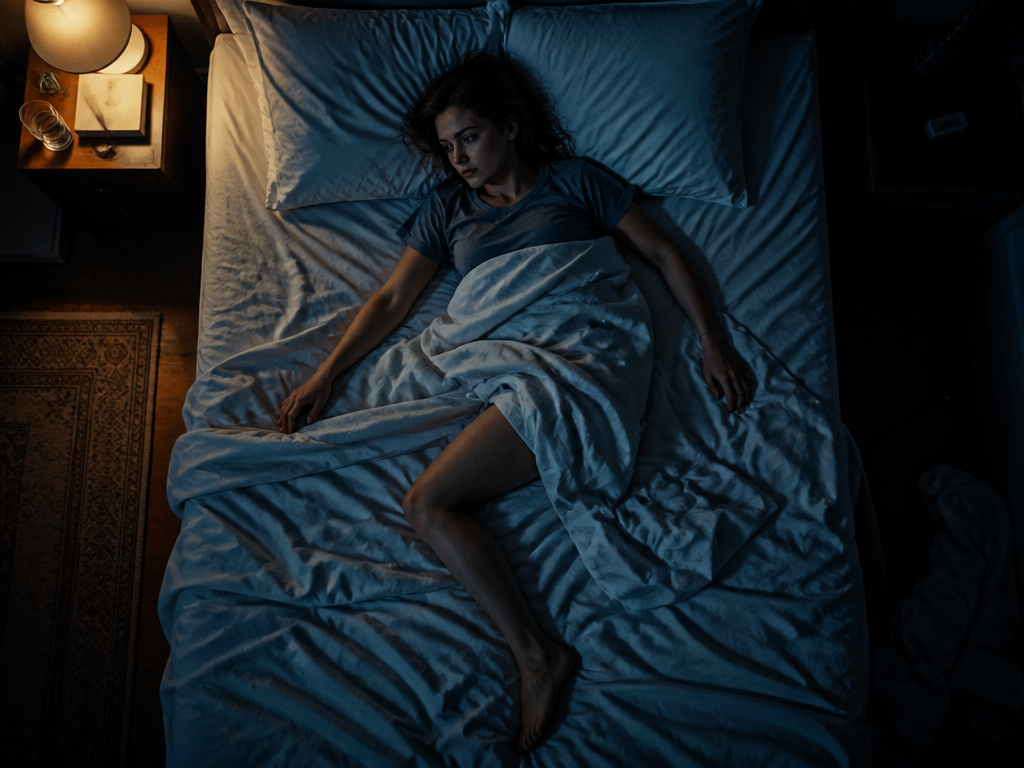
Can You Treat Restless Legs Syndrome Without Medication? I Spent Eight Weeks Finding Out
The question I typed into a search bar at 2 a.m., legs twitching under the duvet, was blunt: can I treat this without drugs?
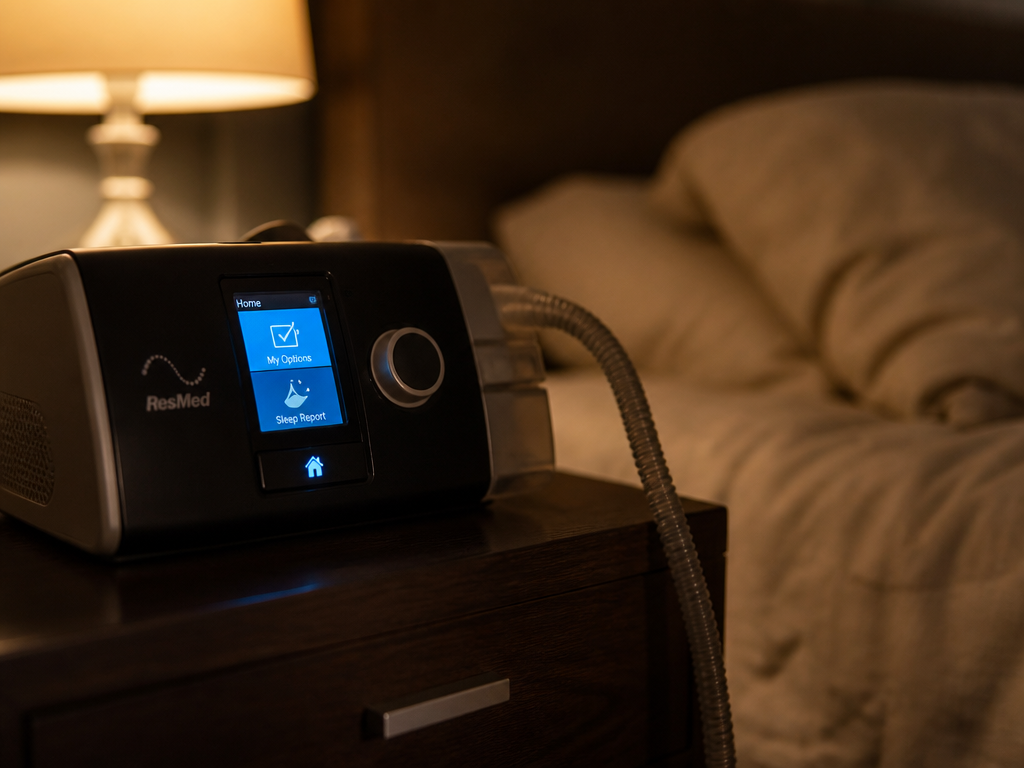
I Tracked My Stress and My Sleep Apnea for 60 Nights. Stress Wasn't the Villain.
For sixty nights I logged how stressed I was at bedtime and let my machine count how many times my airway closed. I expected the two columns to rise and fall together. They didn't.
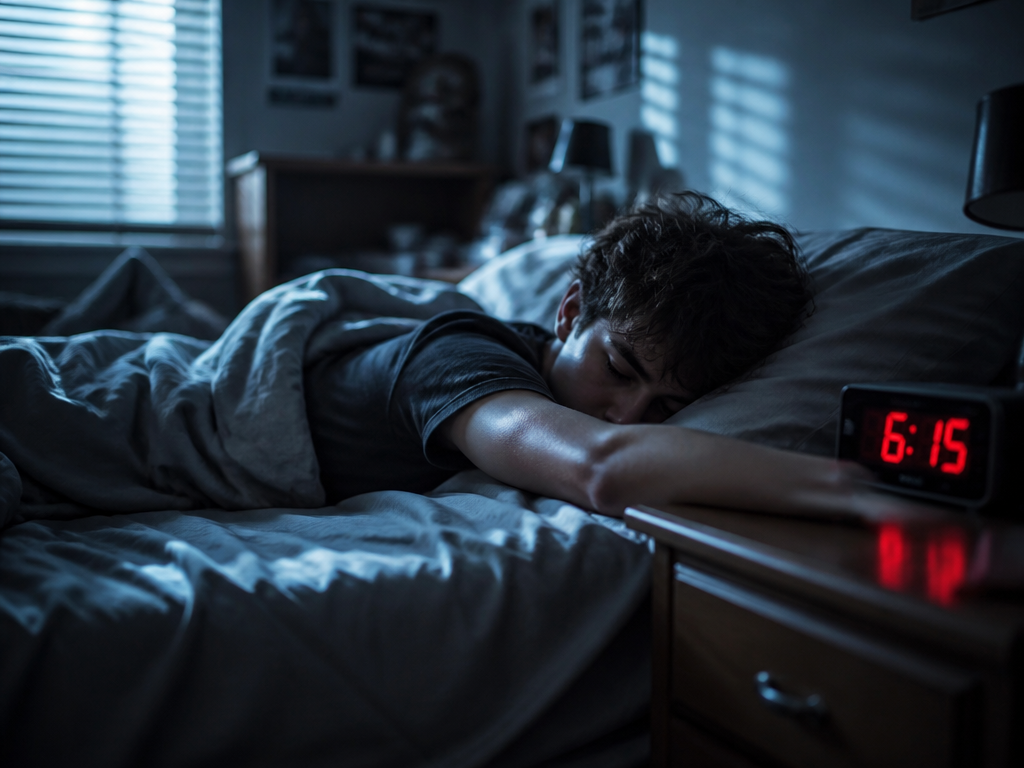
Sleep Deprivation in Teenagers Isn't a Discipline Problem. It's a Clock Problem.
Your tired teenager is probably not lazy, and probably not staying up out of defiance. The most likely explanation is duller and more biological than either: their internal clock has shifted later…