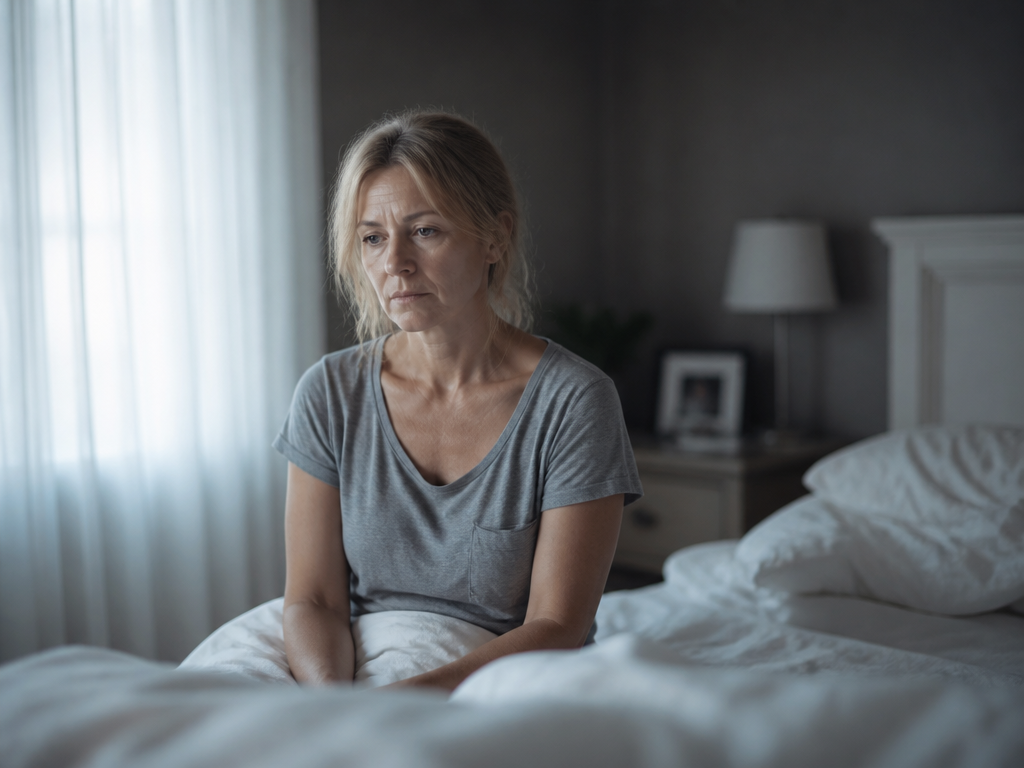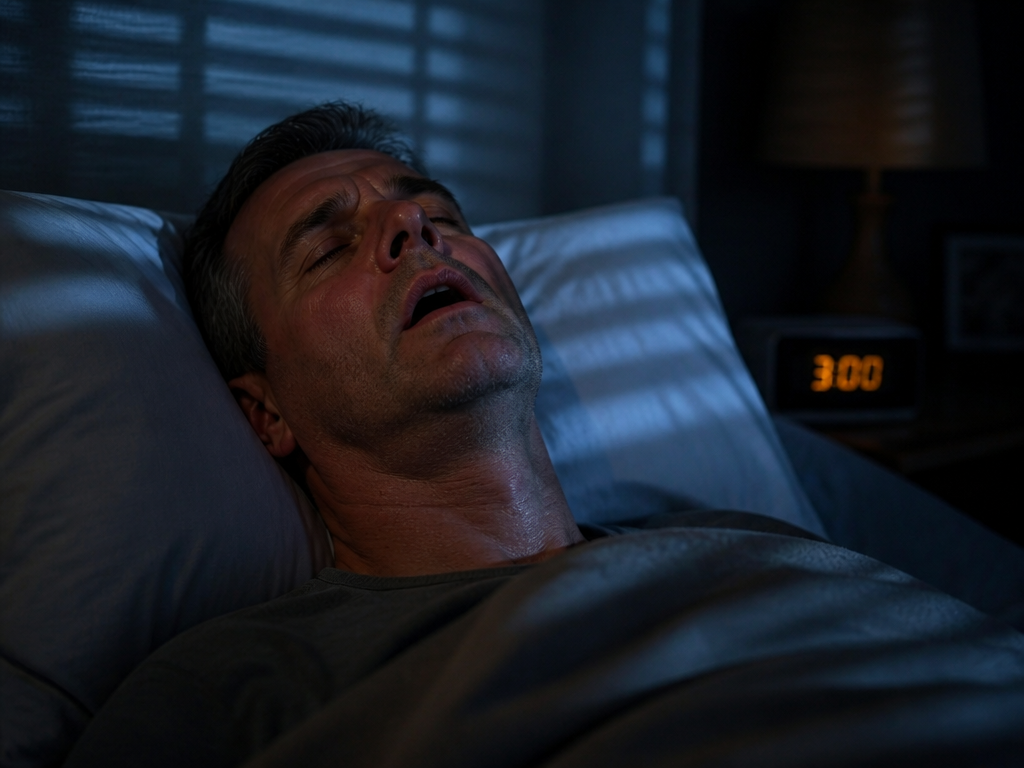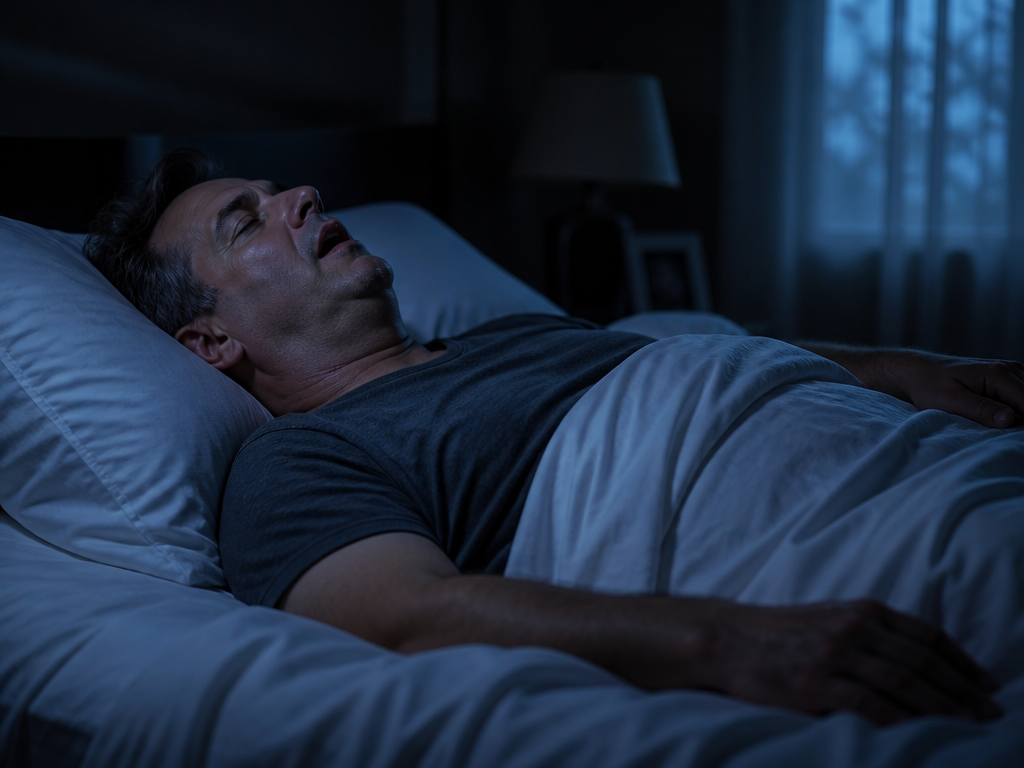
The advice is familiar enough to recite from memory. Watch for loud snoring. Watch for the partner who stops breathing, then gasps. Picture an overweight man in his fifties who falls asleep at the wheel. That picture is the public face of sleep apnea, and it is not wrong, exactly. It is just drawn from a sample that left a lot of people out.
For decades the disorder was studied mostly in men, because men were mostly who got referred. The result is a diagnostic portrait that fits one population well and quietly mismatches another. Women with the same underlying problem often arrive at the clinic describing something else entirely — and frequently leave with a prescription for an antidepressant instead of a sleep study.
What the textbook gets right
Start with the part that holds. Habitual loud snoring is a real signal. So is a bed partner reporting pauses in breathing followed by a choke or a snort. These are the cardinal signs because they reflect the core event: the upper airway collapsing during sleep, blocking airflow, until the brain briefly rouses the body to reopen it. That sequence is genuinely what's happening, and when a partner witnesses it, the predictive value is high.
The classic risk factors hold up too. Higher body weight, a larger neck circumference, and age all raise risk in both sexes. The well-established epidemiology — going back to the Wisconsin Sleep Cohort work led by Terry Young in the 1990s — found the disorder common and badly underdiagnosed across the board. None of that is folk wisdom. It is some of the better-replicated data in sleep medicine.
So the advice is a decent first filter. The trouble is what slips through it.
Where it breaks down
Here is the most likely question a worried reader is typing into a search bar.
What are the signs of sleep apnea in women, if not snoring?
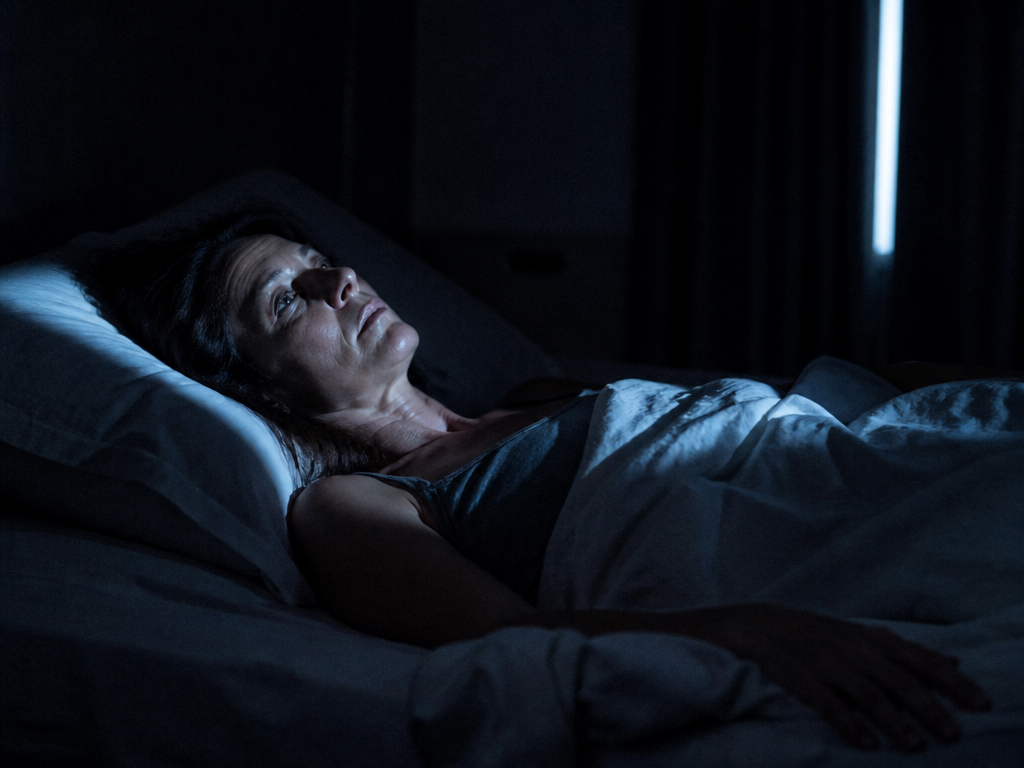
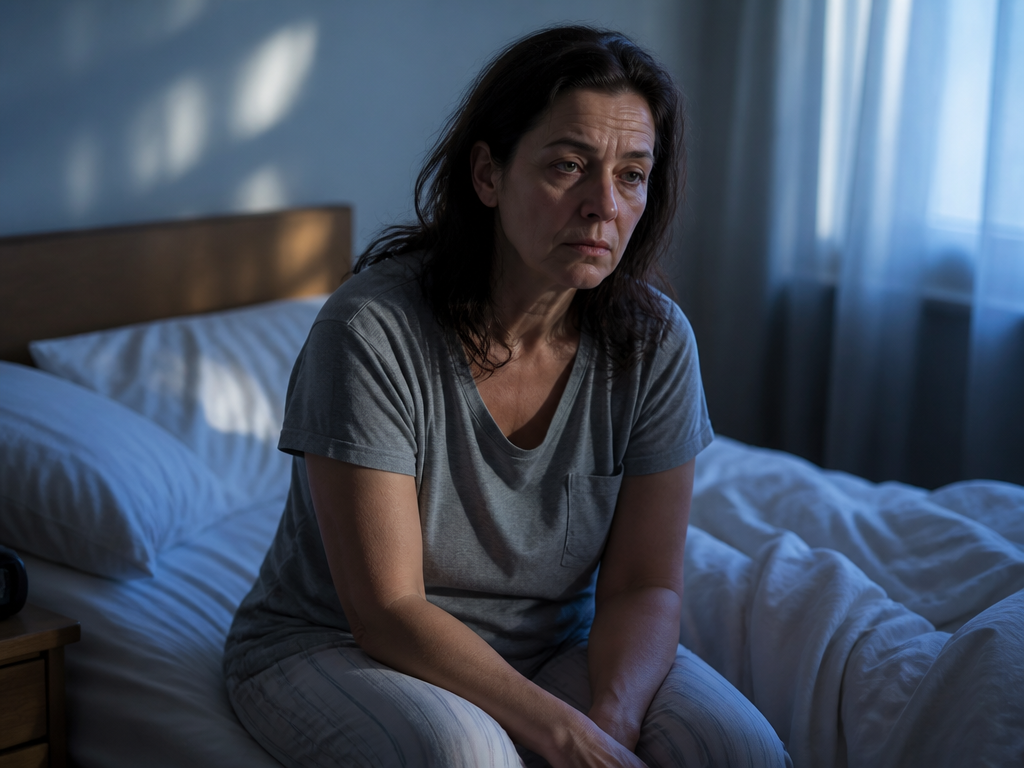
Often they are signs you would never connect to breathing. The most common complaints women bring to a doctor are insomnia, daytime fatigue that doesn't lift with rest, morning headaches, low mood, and difficulty concentrating. A woman may snore, but more softly, and she is statistically less likely to have a partner who notices or reports the pauses. The internal experience — trouble falling asleep, trouble staying asleep, waking unrefreshed — gets named first, because it's what she actually feels.
This matters because those symptoms map almost perfectly onto depression, anxiety, perimenopausal hormonal shifts, thyroid trouble, and ordinary stress. A clinician working from the textbook image has little reason to order an overnight test for a slim 44-year-old woman who says she's exhausted and can't sleep. The pattern-match points elsewhere.
The numbers reflect this gap. Population studies suggest the true male-to-female ratio of obstructive sleep apnea is somewhere near 2:1 or 3:1, but in clinical referrals the ratio has historically run closer to 8:1 — meaning a large share of affected women never get into the room where the diagnosis happens. That discrepancy is well documented; the explanations for it are plausible but still being argued over.
There is also a measurement problem hiding inside the diagnosis itself. Severity is scored by the apnea-hypopnea index, the AHI — the number of breathing events per hour. The conventional cutoff for "mild" disease is 5 events per hour. But women's events tend to cluster in REM sleep and to be shorter and shallower — hypopneas, partial collapses, rather than full apneas. A woman can have a whole-night AHI that looks reassuringly low while her REM-period AHI is severe, because the events bunch into the slices of the night the average washes out. Won (2015, in the Journal of Clinical Sleep Medicine) and others have argued that the standard scoring conventions were calibrated on men and may systematically understate the burden in women. That argument is plausible and increasingly mainstream, but not yet settled into clinical practice everywhere.
What's actually happening in the airway
It helps to walk through one event in the order the body lives it.
You fall asleep. The muscles that hold the throat open — chiefly the genioglossus, the muscle of the tongue — relax along with everything else. In a vulnerable airway, that relaxation lets the soft tissue at the back of the throat narrow. Airflow slows. If the passage narrows partway, you get a hypopnea; if it seals shut, an apnea. Blood oxygen begins to dip and carbon dioxide rises. Chemoreceptors notice. The brain, sensing the chemistry going wrong, fires a brief arousal — usually too short to remember — that snaps muscle tone back, reopens the airway, and often produces the gasp a partner hears.
Then you drift back down and it happens again. Dozens of times an hour, hundreds of times a night, each one a small spike of stress hormones and a fracture in sleep architecture you never consciously register.
Why subtler in women? Part of it is anatomical — generally smaller necks, different fat distribution, a shorter airway segment prone to collapse. Part of it appears to be that women maintain better airway muscle tone and arouse from partial events, producing the shallow, REM-heavy pattern rather than the dramatic full obstructions. The end result feels less like suffocating and more like never quite sleeping. Which is exactly why it gets called insomnia.
The hormonal axis nobody mentions
Progesterone stimulates breathing; it's a respiratory drive booster. Through much of adult life, women's hormonal profile offers a measure of protection to the airway. That protection erodes at menopause. The risk of obstructive sleep apnea in women rises sharply afterward — some estimates put the post-menopausal increase at two- to threefold — and hormone changes, weight redistribution, and shifting airway tone all plausibly contribute. The mechanism is not fully nailed down, but the epidemiological jump is real and repeatedly observed.
The cruel timing is that menopausal symptoms — night sweats, fragmented sleep, fatigue, mood changes — are precisely the ones a new sleep-breathing problem would also produce. Two explanations, one symptom list. The easy answer is usually the one written down.
A more honest screening picture
If the textbook checklist is "loud snoring, witnessed pauses, sleepy man," here is a version that catches more of what's real.
| Classic signal | What to also weigh in women |
|---|---|
| Loud, witnessed snoring | Softer snoring, or none observed |
| Gasping/choking at night | Frequent night waking, insomnia |
| Daytime sleepiness | Persistent fatigue, brain fog, low mood |
| Overweight, middle-aged | Post-menopausal, normal weight possible |
| Partner reports apneas | Morning headaches, unrefreshing sleep |
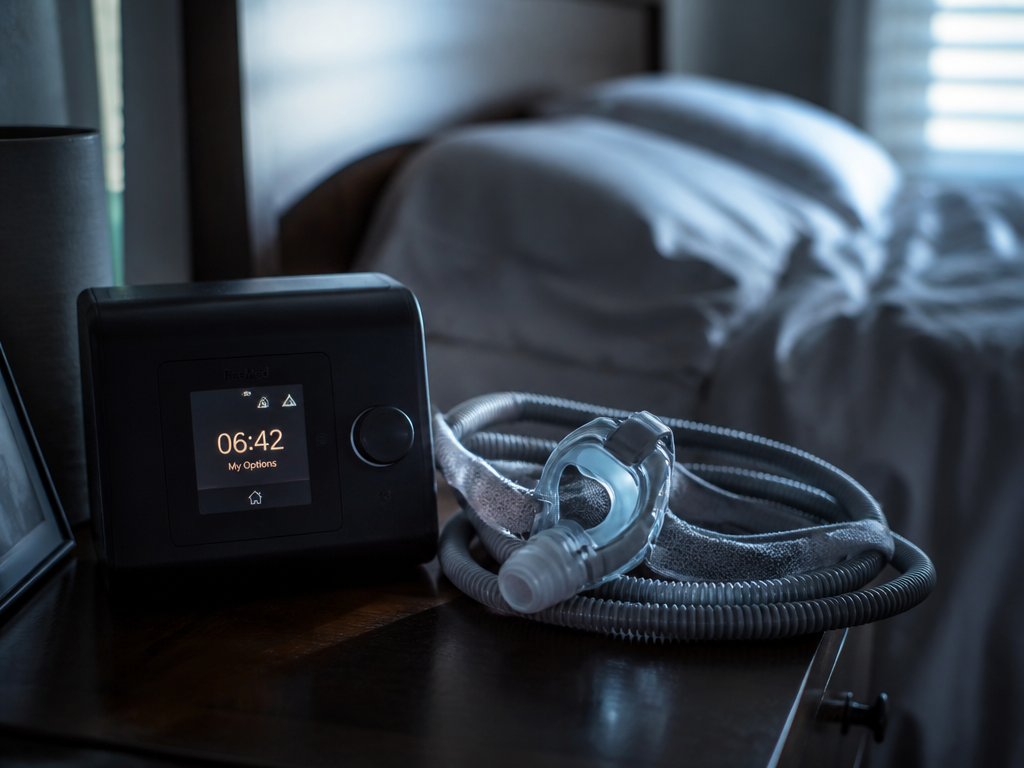
No single row confirms anything. The point is the cluster. If several of the right-hand entries are present — especially fatigue and fragmented sleep that have outlasted the usual explanations — that is reason enough to ask for a sleep study and to say plainly that you've read women present differently. A home sleep test is cheap and easy; the cost of the missed diagnosis is years of fatigue and a measurable rise in cardiovascular risk.
For the family member reading this about someone they love: you don't need to witness a dramatic gasp to raise it. Chronic, unexplained exhaustion in a woman who "just doesn't sleep well" is itself a finding worth a conversation.
The honest version of the rule
The standard advice isn't false. It's incomplete in a way that happens to fail women, because the picture was painted before they were in the room. Snoring and witnessed pauses are good evidence when present — they're just not the only door in.
If the tiredness has lasted months, outlived the obvious explanations, and no amount of early bedtimes touches it, stop assuming it's stress and start asking whether you're breathing all night — and say the word "apnea" out loud at your next appointment.