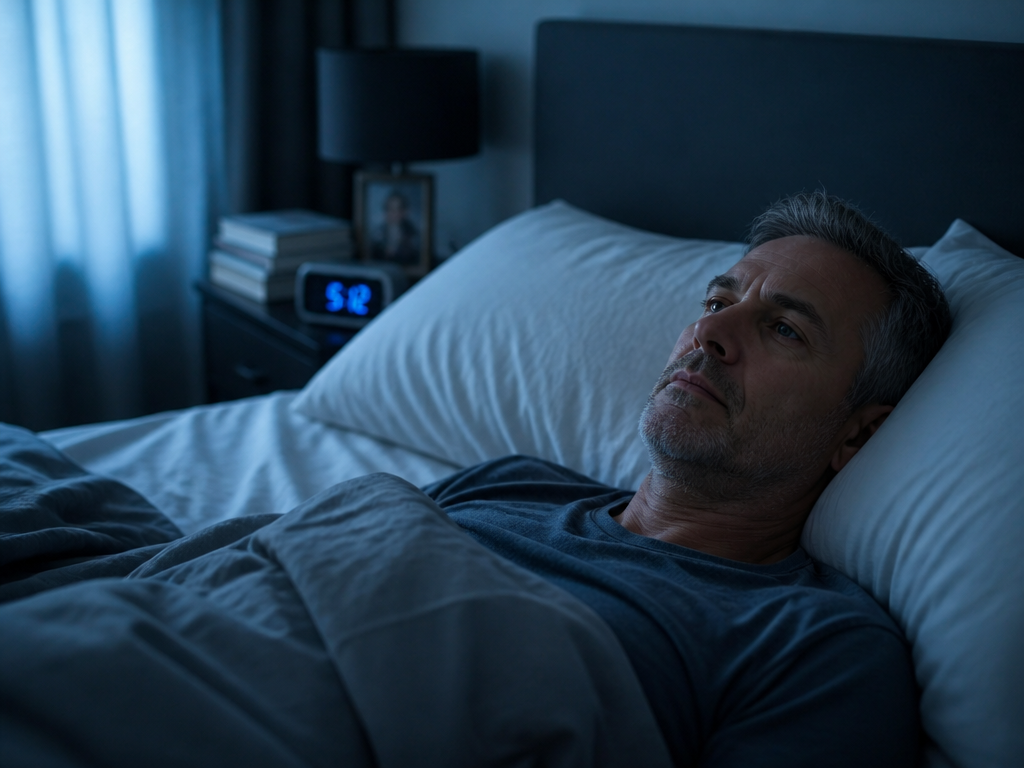
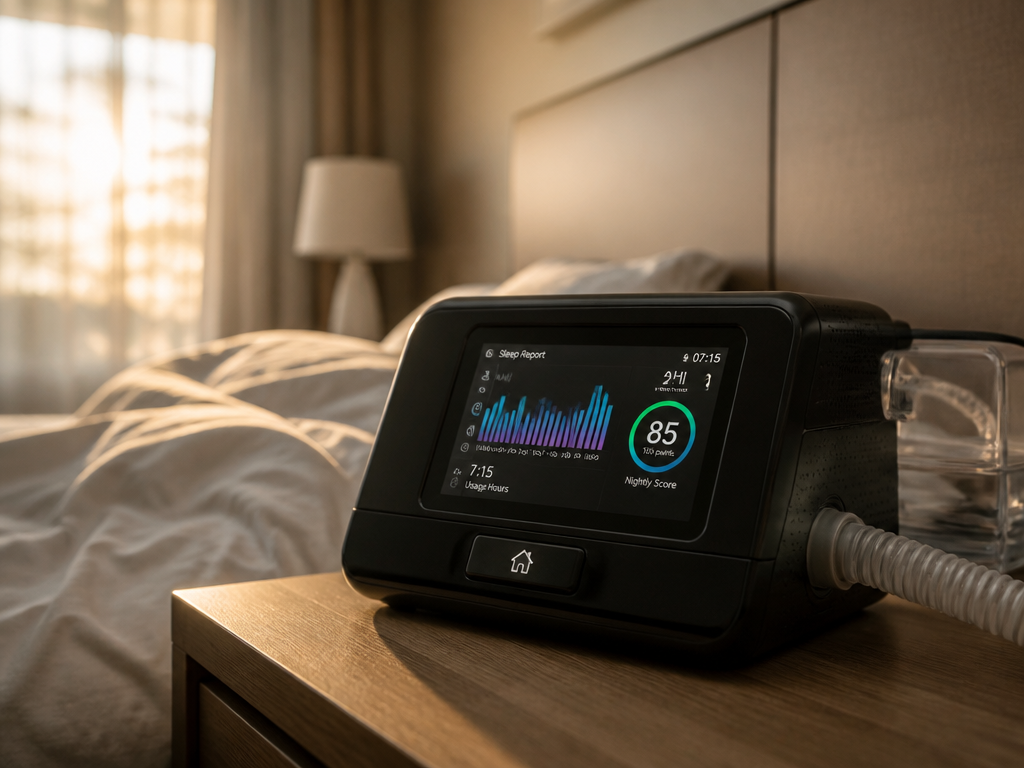
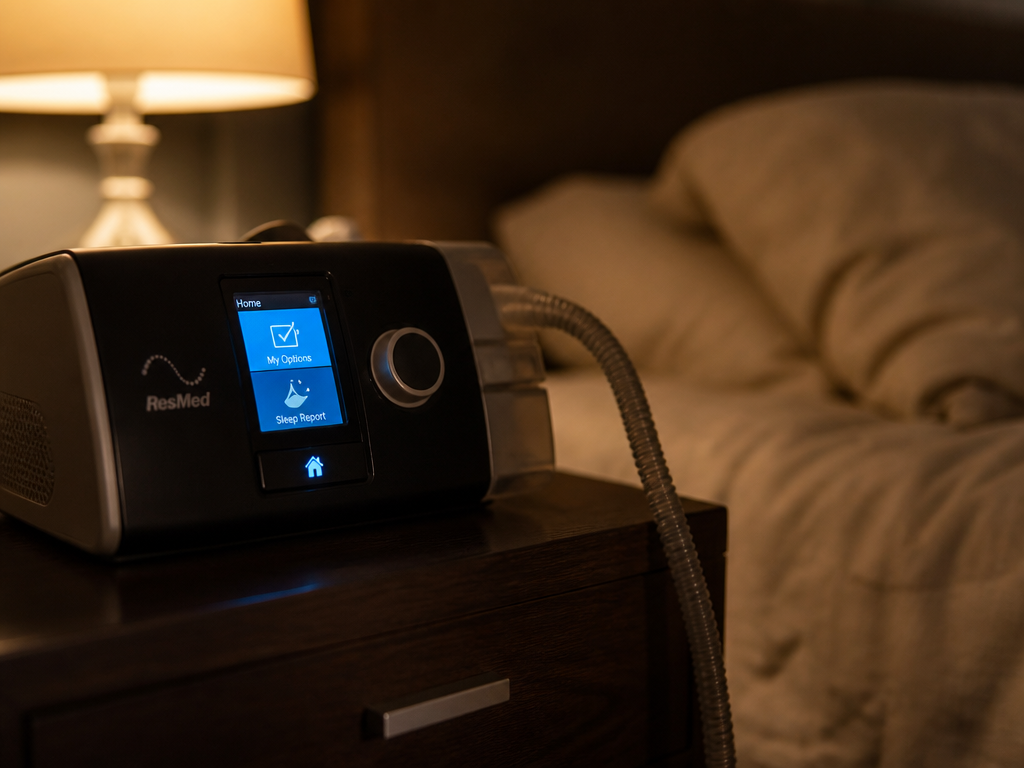
The more I slept, the more tired I got. For about two years I treated exhaustion as a math problem — not enough hours in, so add hours — and the math kept failing. A nine-hour night left me foggier than a six-hour one. This is the part of sleep apnea fatigue that nobody warns you about: it isn't a deficit of sleep, it's a deficit of good sleep, and you can't fix it by buying more of the bad kind.
That's the claim. The rest of this is me earning the right to have made it, with numbers, a borrowed sleep lab, and three months on a machine I didn't want.
What apnea fatigue actually is
Obstructive sleep apnea is not insomnia. You fall asleep fine. You may sleep long. The problem is that your airway partially or fully collapses dozens of times an hour, your blood oxygen dips, and your brain briefly surfaces to restart breathing — too briefly to remember, often enough to wreck the architecture of the night.
So the fatigue has a different texture than ordinary tiredness. It isn't drowsiness you can push through with coffee. It's a flat, cognitive smear: I'd reread the same email three times, lose the thread of a sentence I was speaking, and feel a specific irritability that I now recognize as a symptom rather than a personality flaw.
Before I had any diagnosis, I logged it crudely. For six weeks I rated morning grogginess 1–5 in a notebook and noted total sleep time from a wrist tracker. The correlation was the wrong way around: my worst mornings (4s and 5s) came after my longest recorded nights. That backwards relationship is what finally sent me to a doctor instead of to bed earlier.
Home test vs. lab study
I did both, four months apart, which makes for a fair comparison.
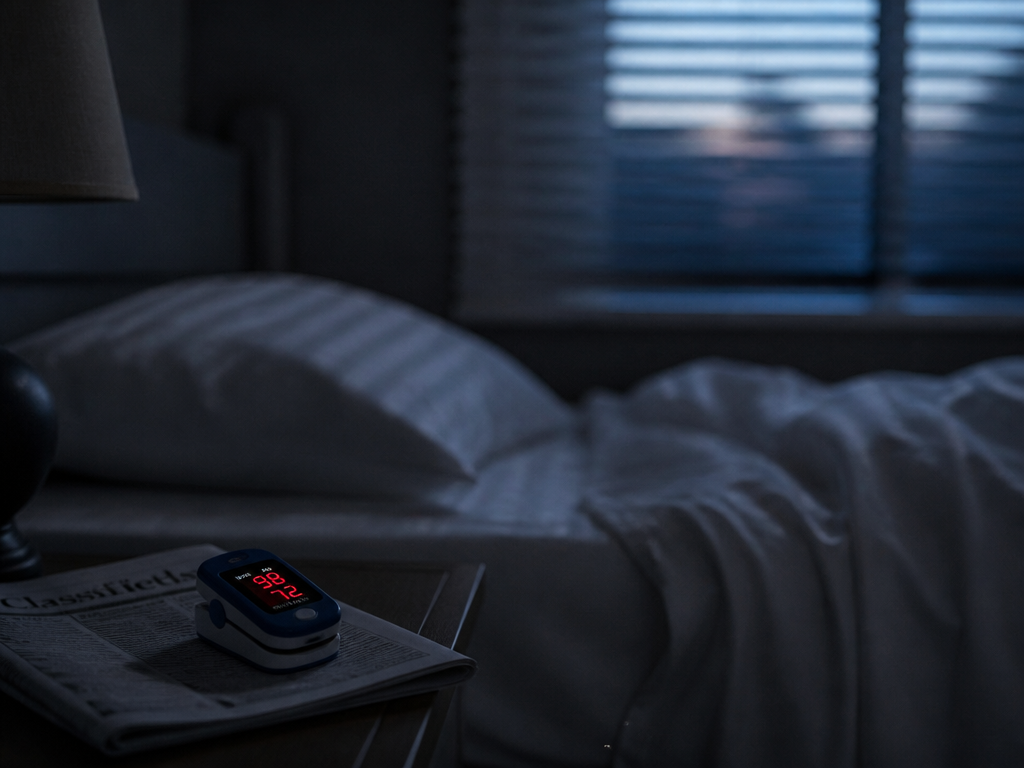
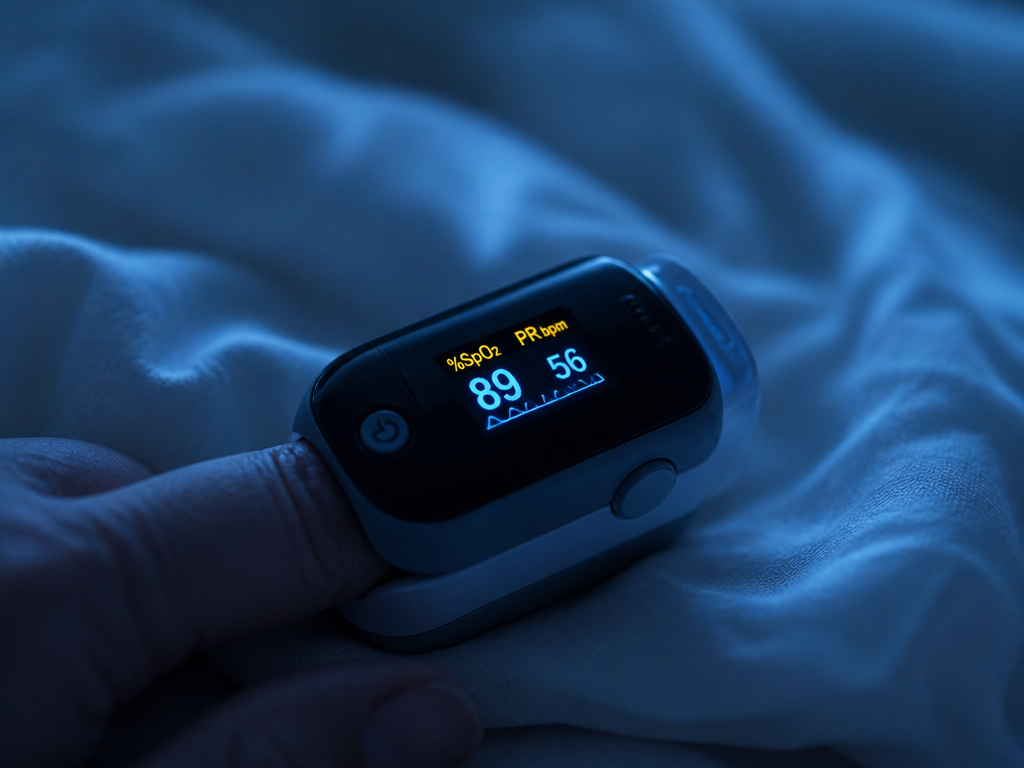
The home sleep test is a small kit — a finger oximeter, a nasal cannula, a chest band. You sleep in your own bed. It measures the headline number, the Apnea-Hypopnea Index (AHI): events per hour. Mine came back at 19, which lands in "moderate." Cost me a $40 copay; the kit was couriered.
The in-lab polysomnography is the full apparatus — EEG, EMG, the works, in a clinic room. It catches what the home kit can't: the actual sleep stages, the micro-arousals, leg movements. My lab AHI was higher, 26, because the home test underreports (it assumes you slept the whole time you were lying there; the lab knows you didn't). The lab run cost considerably more before insurance.
The honest takeaway: the home test was enough to confirm the problem and start treatment. The lab told me why the nine-hour nights felt worse — I was spending almost no time in deep sleep, surfacing 26 times an hour to breathe. More hours in bed just meant more fragmentation.
The CPAP trial, side effects included
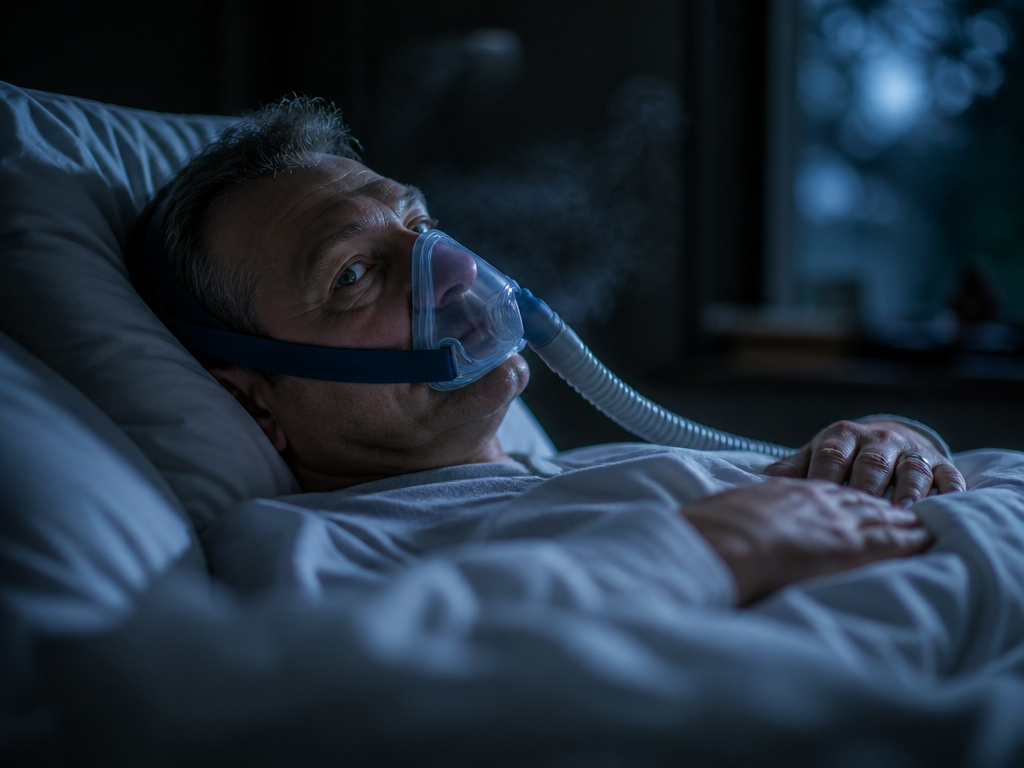
I want to be fair to the worry, because I had it. CPAP — continuous positive airway pressure — is a mask and a blower that splints your airway open with pressurized air. It looks medical and intrusive and I assumed I'd hate it.
I did hate it, for about ten days. Here is what actually happened, not the brochure version:
- Nights 1–3: Dry mouth so severe I woke to drink water twice. A humidifier setting fixed most of it by night four.
- Week 1: Air leaking from the mask edge into my eyes. This was a fit problem — wrong cushion size — solved with a swap.
- Weeks 2–3: Aerophagia, which is the polite term for swallowing air and feeling bloated in the morning. Lowering the starting pressure helped. It didn't fully vanish until the clinic switched me to a machine that ramps pressure gradually.
- Ongoing: A faint line on the bridge of my nose most mornings, gone by mid-day.
None of these were trivial in the moment. All of them were adjustable. The thing I was most afraid of — claustrophobia — never materialized, possibly because I practiced wearing the mask awake, watching TV, before trying to sleep in it.
What I cannot tell you: whether I'd have tolerated it without a clinic that answered emails within a day. The side effects were manageable largely because someone kept tuning the settings. A patient left alone with a default machine might reasonably have quit.
The comparison, by the numbers
| Criterion | Untreated nights | CPAP, first 2 weeks | CPAP, settled (month 3) |
|---|---|---|---|
| AHI (events/hr) | 26 | 8 | 3 |
| Morning grogginess (1–5) | 4.2 avg | 3.1 avg | 1.8 avg |
| 3pm crash | nearly daily | most days | rare |
| Sleep time needed to function | 9+ hrs | ~8 hrs | ~7 hrs |
| New side effects | none (just the disease) | dry mouth, bloating | faint nose mark |
The line worth screenshotting: untreated, more sleep made me worse; treated, less sleep made me better. That's the whole argument in two clauses.
Who this is for, and who it isn't
This piece is for you if you're tired in a way that rest doesn't touch, especially if you sleep long and wake unrefreshed, and especially if anyone has mentioned your snoring or watched you stop breathing. The backwards sleep-versus-grogginess relationship is a real signal. Get tested.
It's also for you if you've been diagnosed and are stalling on therapy out of dread. The dread is reasonable. The side effects are real and mostly mechanical — fit, pressure, humidity — which means they're mostly fixable by someone who's seen them before.
It is not for you if you're hoping to confirm that CPAP is unbearable and you can skip it. I won't give you that. The machine is annoying. Untreated moderate apnea is worse, and it doesn't stay moderate.
And it's not a substitute for testing. I cannot diagnose you from a magazine, and the people who self-treat a guessed condition tend to treat the wrong thing.
What this looks like lived out
I no longer own an alarm set for nine hours. I set it for seven and a half, because that's now enough, and the extra ninety minutes I used to chase were never sleep — they were a longer stretch of the same broken thing. Last Tuesday I woke before the alarm, lay there a moment cataloguing how I felt, and realized I was looking for the fog out of habit. It wasn't there. That absence is the most concrete result I can report, and it's the one I'd been told, two years too late, to expect.