Laura Pendleton
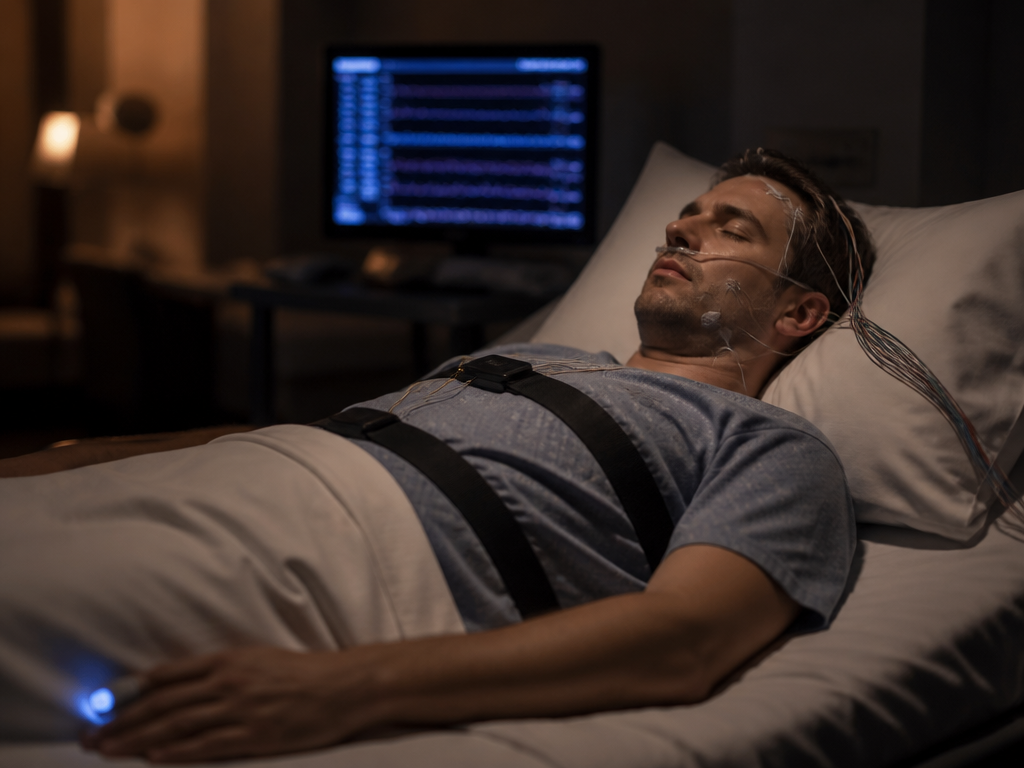
What a Sleep Study Actually Measures (and Whether You'll Sleep Through It)
The question nearly everyone asks before a sleep study is some version of the same one: how am I supposed to fall asleep covered in wires, in a strange bed, while a stranger watches?
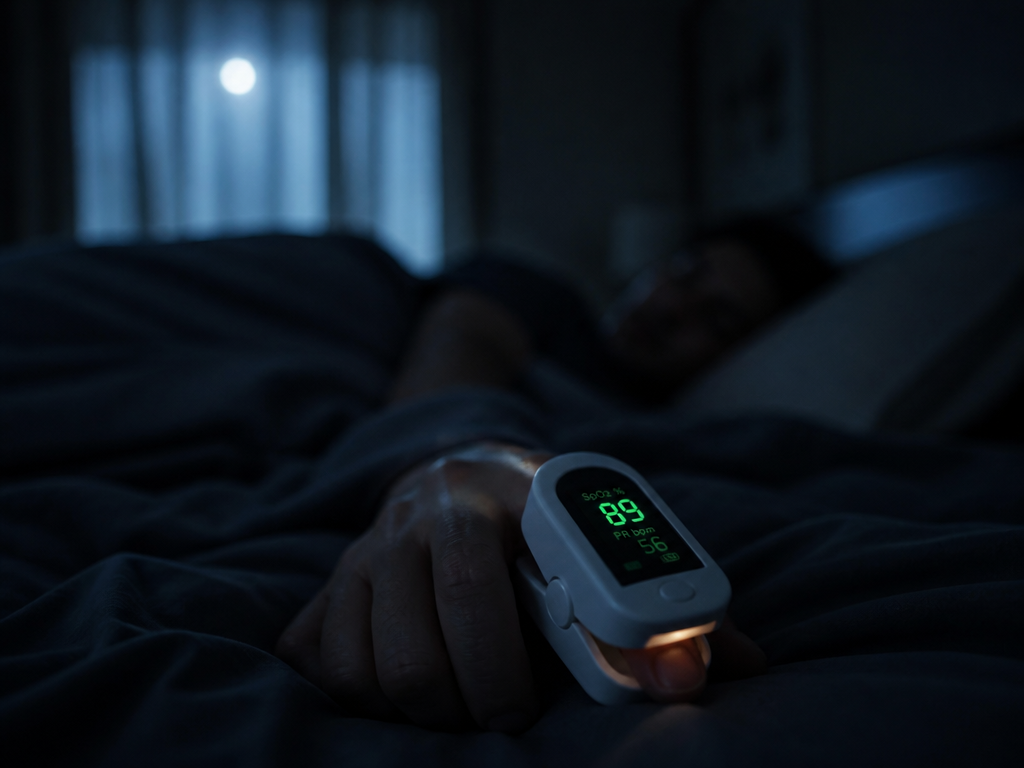
I Wore a Pulse Oximeter for Six Nights to See What Sleep Apnea Was Doing to Me
The first night, I clipped a $40 pulse oximeter to my index finger, set it to log every four seconds, and went to sleep worried I'd forget it was there. I didn't forget. At 3:14 a.m.
Sleep Disorders vs. Bad Habits: What the 15-Minute Rule Actually Tells You
There is a number that sleep clinicians carry around in their heads: fifteen minutes. That is roughly how long a healthy adult should take to fall asleep after the lights go out.
Why Does Daylight Saving Time Wreck You for a Week? The Honest Answer
Every March, some version of this question arrives around Tuesday: why does losing a single hour feel like jet lag without the trip? You went to bed at the usual time, more or less.
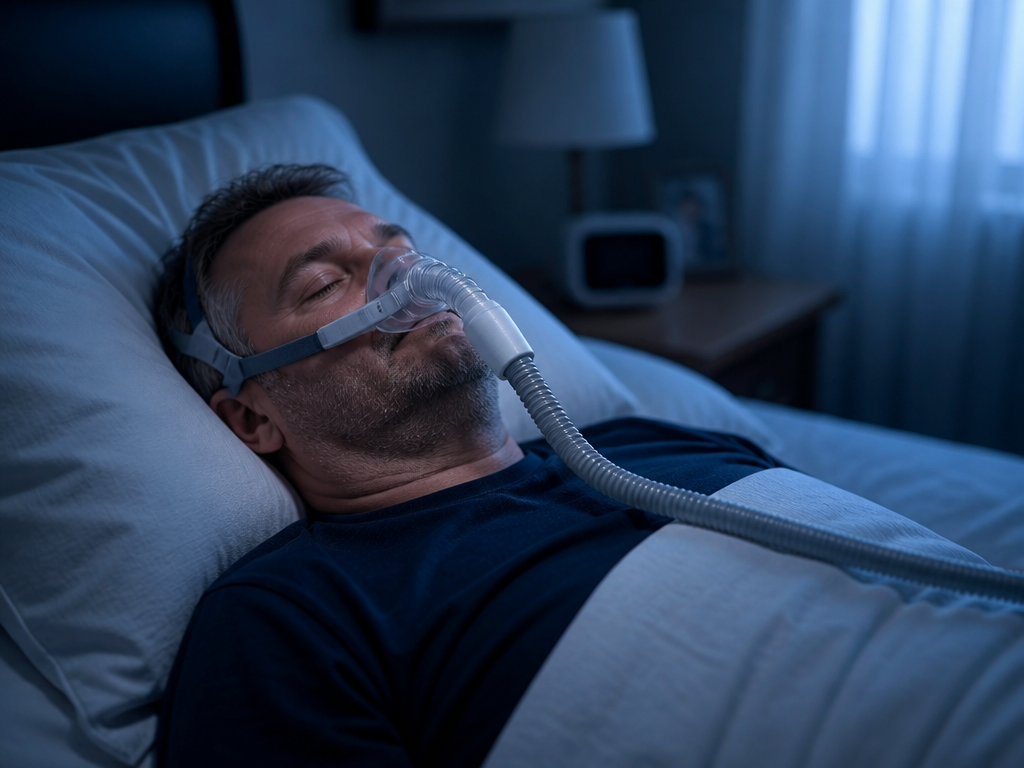
Sleep Apnea Treatment Options: Where the Standard Advice Holds Up, and Where It Doesn't
The advice you'll hear, from a doctor or a friend who's been through it, is compact: get diagnosed, get a CPAP machine, wear it every night, and you'll feel like a person again.
Sleep Apnea Symptoms Are Easy to Miss — and the Reason Is a Century Old
There is a particular kind of elbow that arrives in the dark. It lands between the shoulder blades, and it means: you stopped breathing again.

Tongue Push-Ups: Does Myofunctional Therapy Actually Help Obstructive Sleep Apnea?
There is a claim floating around the apnea corners of the internet that you can shrink your breathing pauses by doing exercises with your tongue.
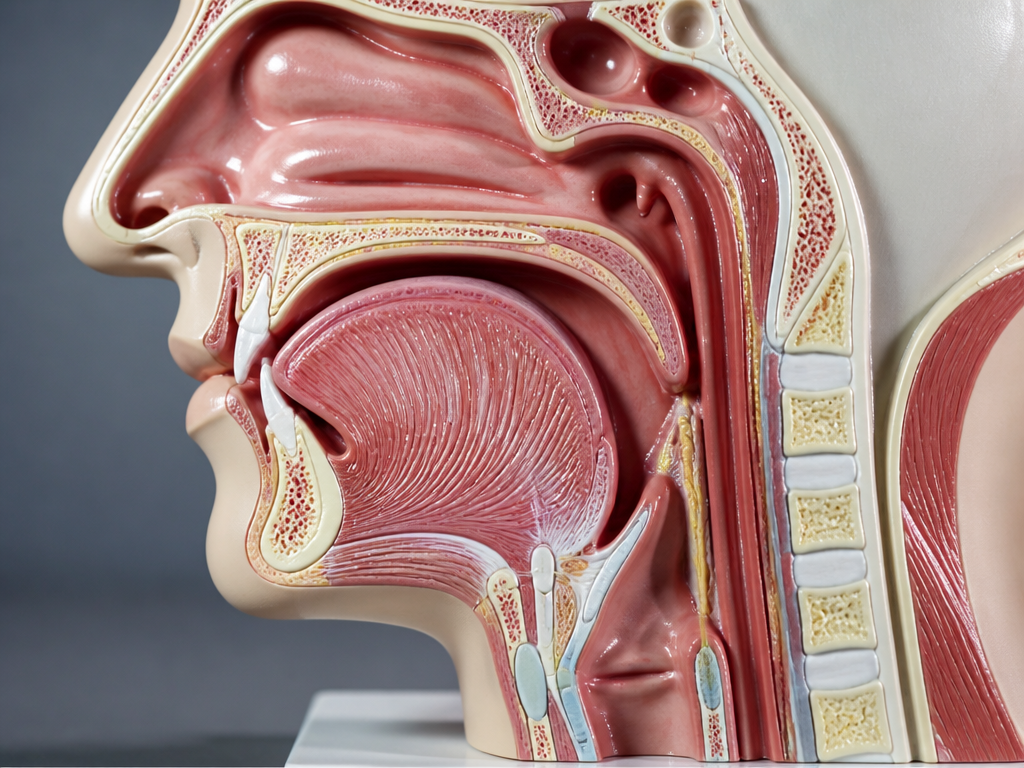
Why Does Your Throat Close at Night? Understanding Obstructive Sleep Apnea From the Inside Out
Patients ask it more often than you'd think, usually in a lowered voice, as if the question itself is embarrassing: If I stop breathing in my sleep — really stop — why don't I just die?
Sleep Apnea Risk Factors: What the Tape Measure Around Your Neck Actually Tells You
A man with a 17-inch neck and a woman with a 16-inch neck are, statistically, more likely to stop breathing in their sleep.