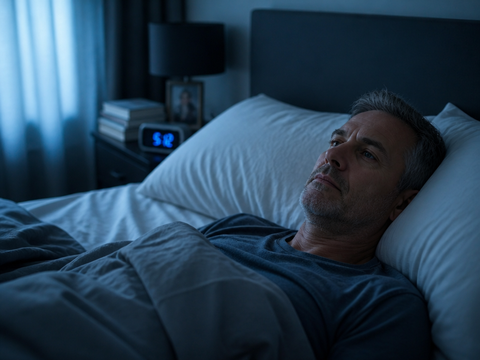
You sleep seven, eight hours. You snore — your partner has mentioned it, maybe with an elbow. You wake up tired anyway, so you blame the obvious things. The deadline week. The kids. The two glasses of wine. Your age. Your discipline. You tell yourself you'd feel fine if you just got your act together.
That story has a problem, and the problem is sleep apnea. It is the most common sleep disorder that gets mistaken for a character flaw. People spend years convinced they're tired because they're busy, when in fact they're busy and tired because something is interrupting their sleep hundreds of times a night without their knowledge.
The myth: "I'm in bed for eight hours, so it can't be a sleep problem"
This is the line worth dismantling, because it sounds reasonable. Time in bed is not the same as sleep, and sleep is not the same as restorative sleep. You can be unconscious for eight hours and still wake up as if you'd slept four, because the quality of those hours was shredded by events you don't remember.
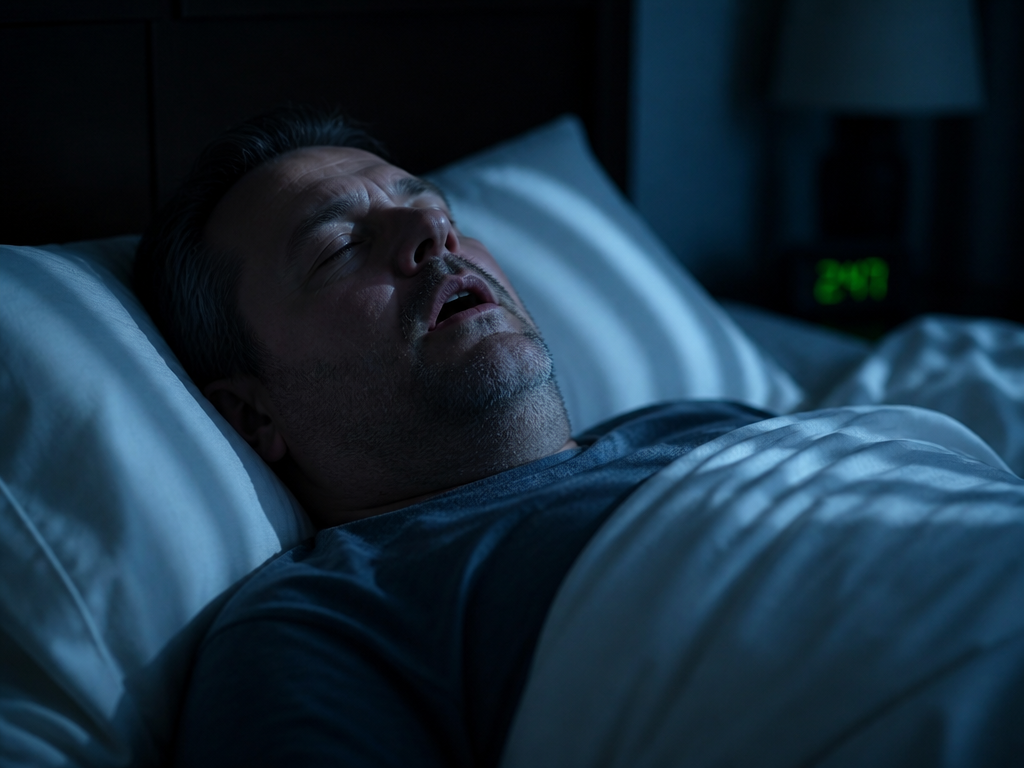
The second half of the myth is louder: that snoring is just snoring. A nuisance, a punchline, a reason for separate bedrooms. Sometimes that's all it is. But loud, irregular snoring punctuated by silences and gasps is one of the better behavioral predictors of obstructive sleep apnea — the kind where the airway physically collapses.
What the diagnosis actually catches
Sleep apnea is measured with a number called the AHI, the apnea-hypopnea index: the count of breathing interruptions per hour of sleep. An apnea is a near-total stop; a hypopnea is a partial collapse with a drop in airflow and usually a dip in blood oxygen. Five to fifteen events per hour is mild. Fifteen to thirty is moderate. Above thirty is severe. Someone with severe apnea may stop breaking a real breath several hundred times before morning and have no memory of any of it.
The misattribution is well documented. The frequently cited Young et al. (1997) analysis in Sleep estimated that the large majority of people with moderate-to-severe sleep apnea were undiagnosed — a figure that has improved since but not nearly enough. Diagnostic delays of a decade or more are common, partly because the leading symptom, daytime fatigue, has a hundred innocent explanations and one that nobody thinks to test for.
A note on prevalence, honestly stated: the often-quoted estimate from Peppard et al. (2013) in the American Journal of Epidemiology put moderate-to-severe disease at roughly 13 percent of men and 6 percent of women in middle age. Those numbers depend on the threshold you choose and the population you sample, so treat them as "common, more common than people assume," not as gospel decimals.
What happens in your body during one event
Walk through a single obstruction, in the order it unfolds.
You drift into deeper sleep. The muscles that hold your throat open relax, as they're supposed to. But in a vulnerable airway, that relaxation lets the soft tissue at the back of the throat sag inward until the passage narrows or closes. You keep trying to breathe — your chest still heaves — but little or no air moves.
Within seconds to tens of seconds, blood oxygen begins to fall and carbon dioxide rises. Chemoreceptors notice. The brain, sensing it's suffocating, fires a brief emergency alarm — a micro-arousal. You don't wake up in any way you'd recall. You surface just enough for muscle tone to return, the airway to snap open, and a gasp or snort to push air back in. Your heart rate spikes; a jet of sympathetic nervous system activity — the fight-or-flight chemistry — floods through. Blood pressure jumps.
Then you fall back down, the muscles relax, and the whole sequence runs again. And again. The reason you wake up unrefreshed isn't mysterious: you spent the night repeatedly yanked out of deep and REM sleep and dosed with stress hormones. The repeated oxygen dips and blood-pressure surges are also why untreated apnea is linked to hypertension and cardiovascular risk — that part is well-established, even if the size of the benefit from treating it is still debated.
What testing measures, and what it doesn't
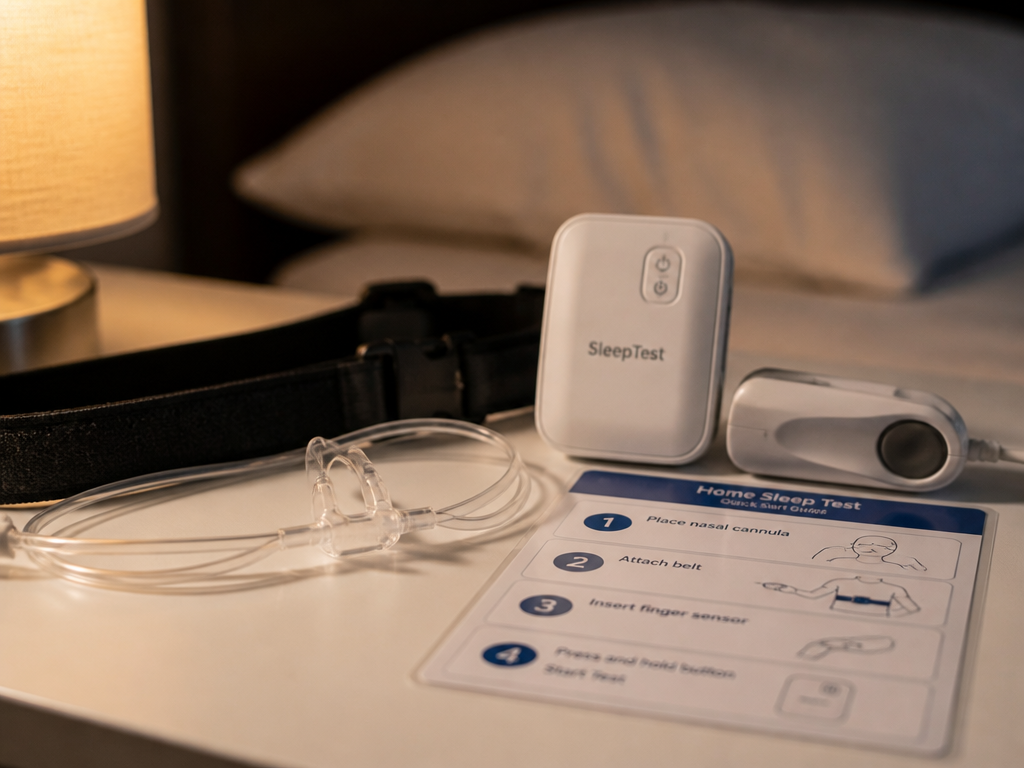
Two routes exist. An in-lab polysomnography study wires you for brain waves, eye movement, airflow, oxygen, and leg movement — the full picture. A home sleep apnea test is simpler: typically a finger oximeter, a nasal airflow sensor, and a chest band you wear in your own bed.
Home tests are genuinely useful and far easier to face than a night in a lab. The honest caveat is that they tend to underestimate severity, because they measure time in bed rather than confirmed sleep, and a negative home test in someone with strong symptoms is often a reason to escalate to the lab, not to relax. That nuance gets lost in the marketing for consumer gadgets, which can flag patterns but are not diagnostic.
What the first weeks actually feel like
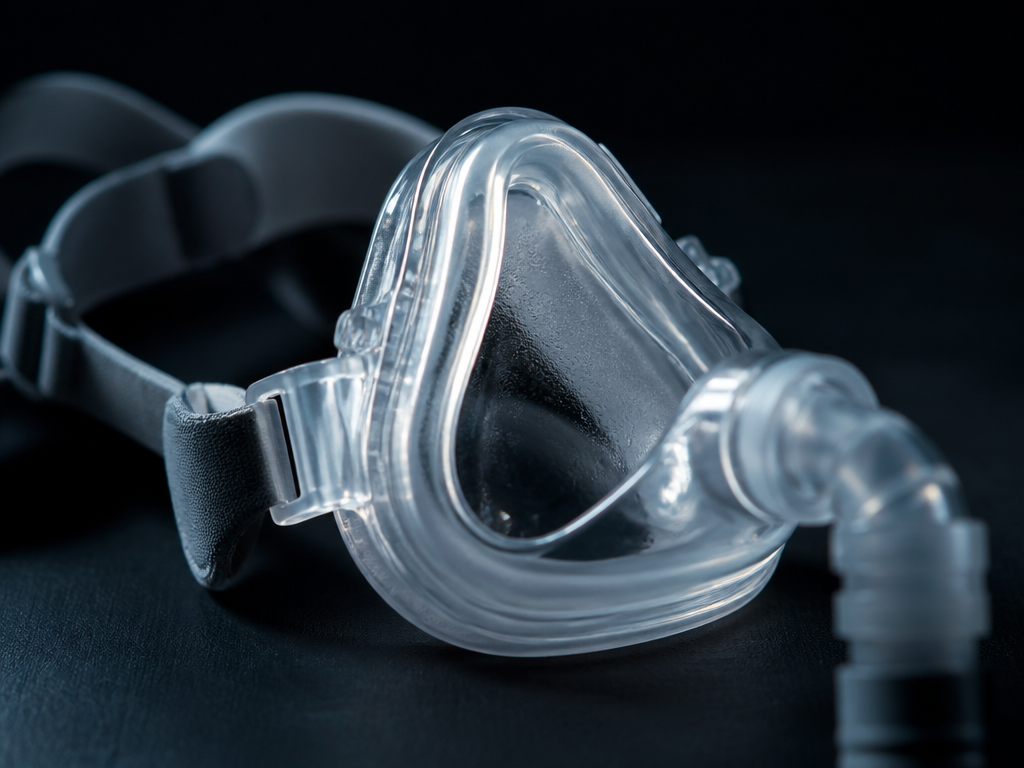
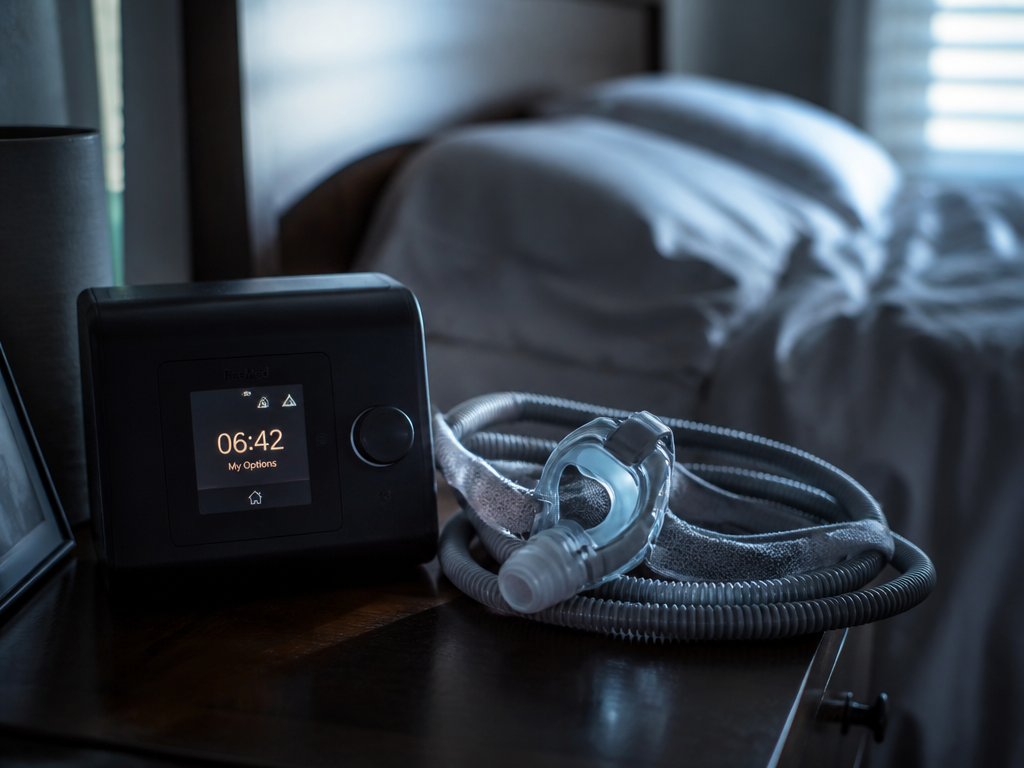
If you do get diagnosed, the onboarding is less dramatic than the brochures and less awful than the dread. CPAP — a small machine that splints the airway open with a stream of pressurized air — works mechanically and reliably when it's used, and the modern travel units are roughly the size of a paperback. The unglamorous truth is that the hard part isn't the therapy, it's the adjustment: finding a mask that doesn't leak, getting used to the sensation, sticking with it past the first frustrating fortnight. Some people feel a difference in days. Some take a month. A few never tolerate it and need a different route — a dental appliance, positional therapy, weight changes, surgery in select cases. Don't let anyone sell you a single guaranteed miracle.
An honest rule of thumb to try this week
You don't need to diagnose yourself. You need one piece of data you don't currently have.
This week, ask the person who sleeps near you a single question: do I ever stop breathing, gasp, or go silent and then snort? If they say yes — or if you sleep alone and wake unrefreshed despite a full night, with morning headaches or a dry mouth — that's your cue to bring it to a doctor and ask specifically about a sleep study. Not a new mattress. Not more discipline. A test.
The cruelest thing about this condition is how easily it disguises itself as a personal failing, when it is one of the few causes of exhaustion you can actually measure.