There is a number on the report. For obstructive sleep apnea it's called the AHI — the apnea-hypopnea index — and it counts how many times per hour your breathing stopped or shrank past a threshold while you slept. Five to fifteen is mild. Fifteen to thirty is moderate. Above thirty is severe, and that's where a lot of people first learn they have a problem: a printout that says 32, a sentence about cardiovascular risk, and a prescription for a machine they've never touched.
What usually doesn't come with that report is an honest account of the first week. The pamphlet reassures. It tells you you're not alone, that millions of people use these machines, that the stigma is fading. All true. None of it tells you what to do at 2 a.m. when the mask hisses and you're more awake than you've been in years. So let's separate three things that usually get blurred together: what most people do after a sleep apnea diagnosis, what the evidence actually supports, and what tends to work on the clinic floor once the brochures are out of the way.
What most people do
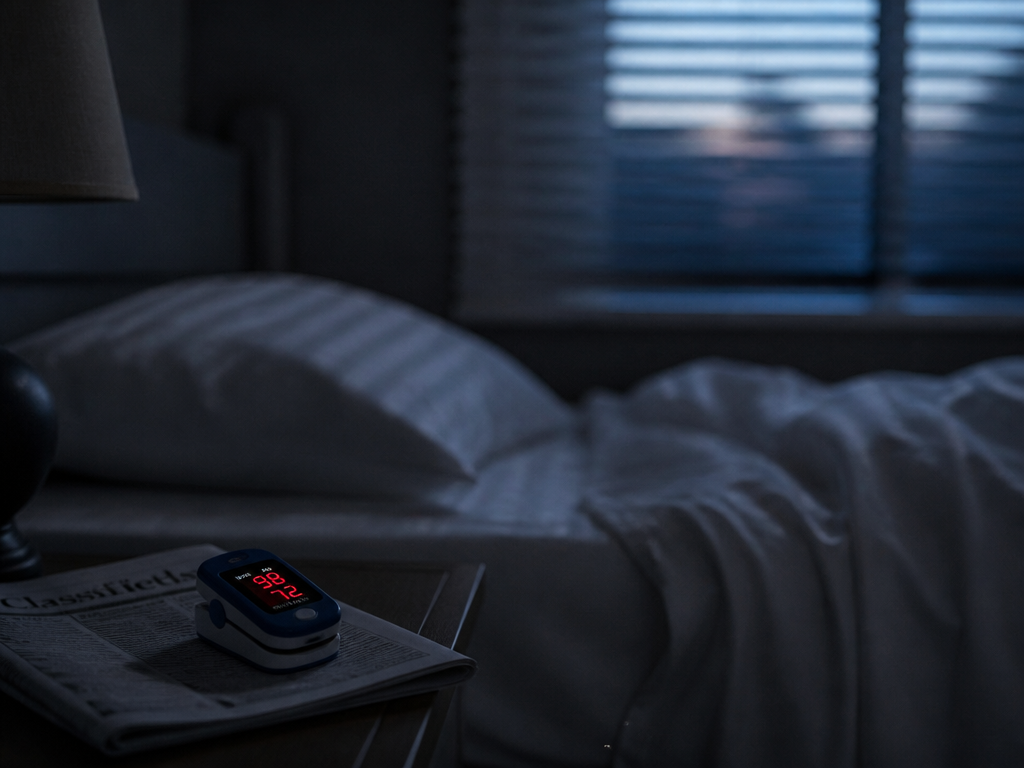
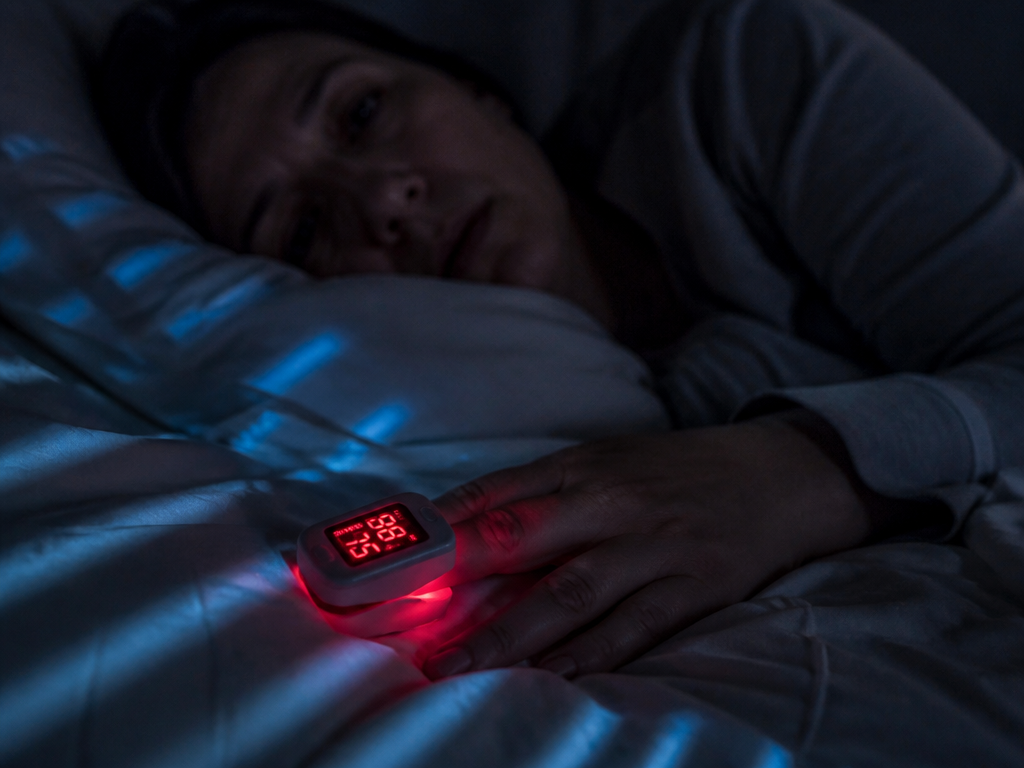
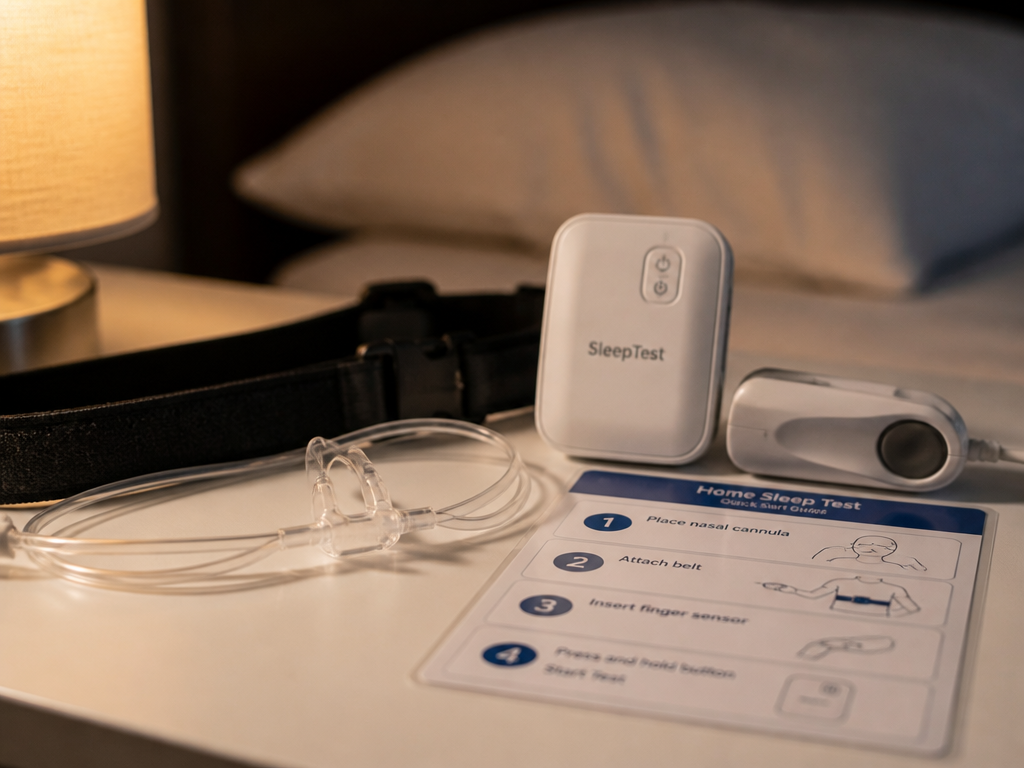
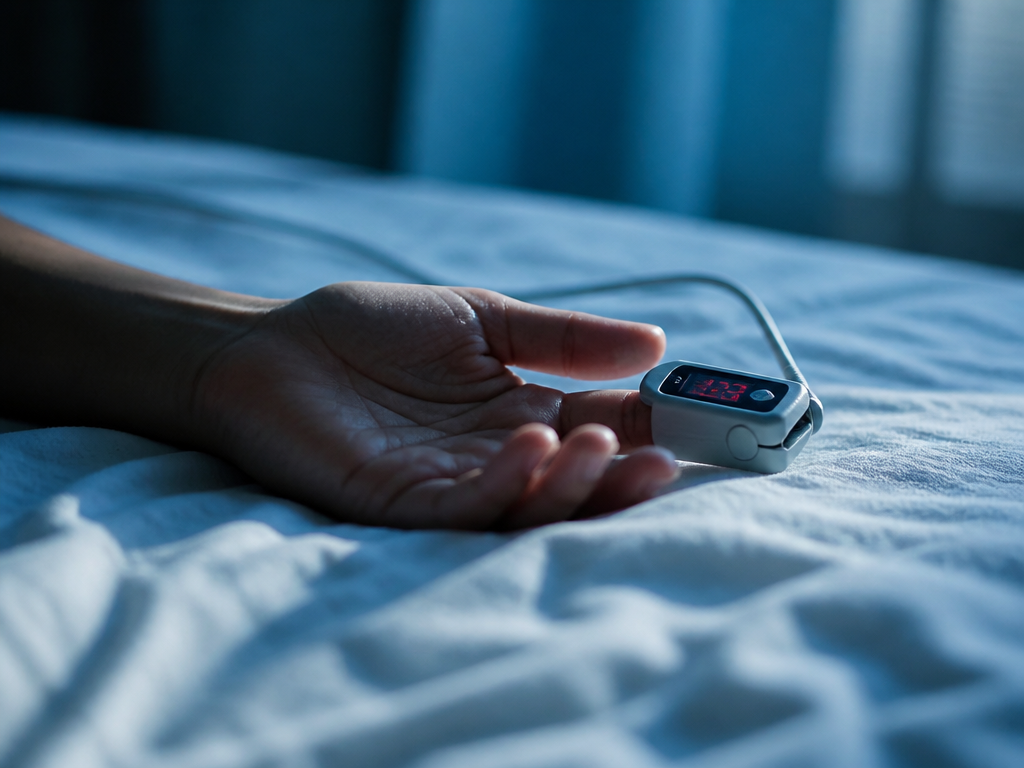
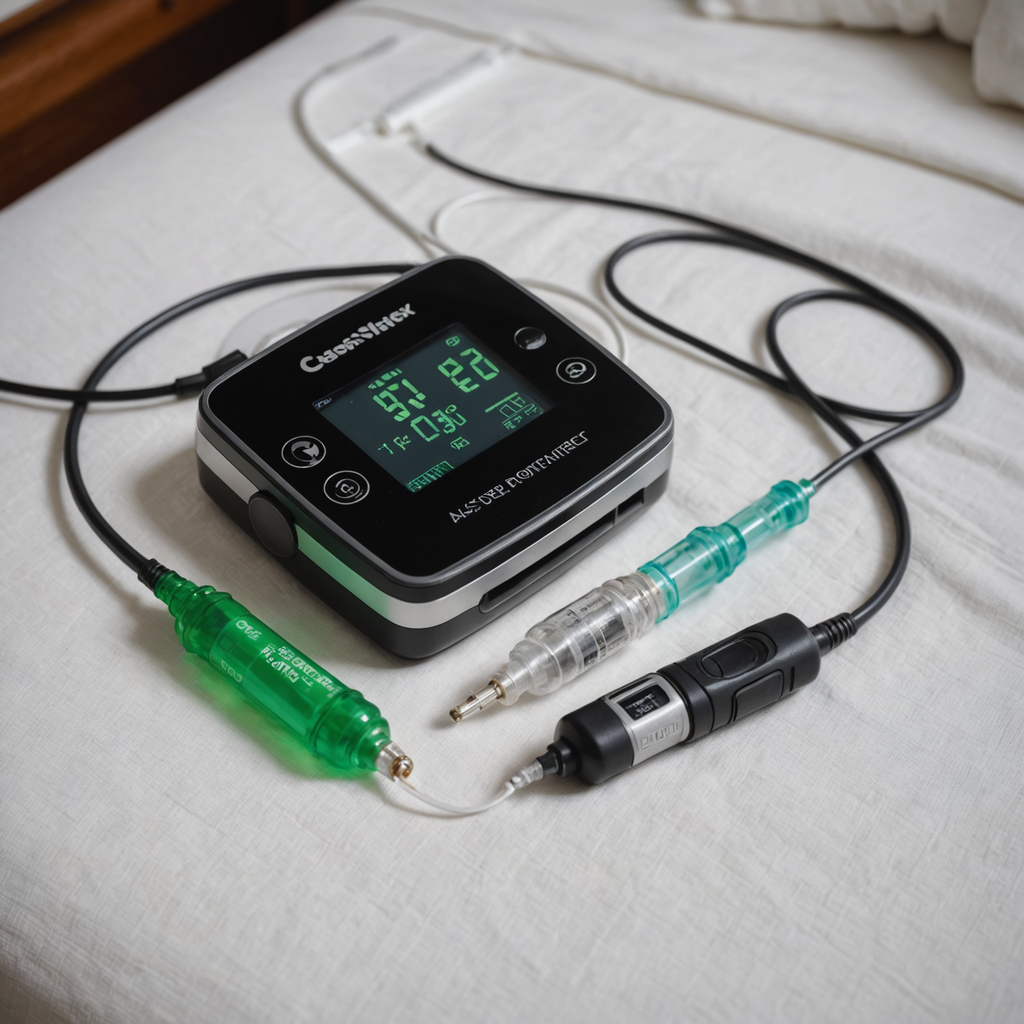
The pathway is fairly standardized now, and that standardization is mostly good. You either spend a night wired up in a lab (polysomnography) or, increasingly, you wear a home sleep apnea test — a finger pulse oximeter, a nasal cannula, a chest band — for a night or two in your own bed. The home test is cheaper and more comfortable and tends to underestimate severity, because it divides events by time in bed rather than time actually asleep. If your home test says "mild" and you feel terrible, that gap is worth raising with whoever ordered it.
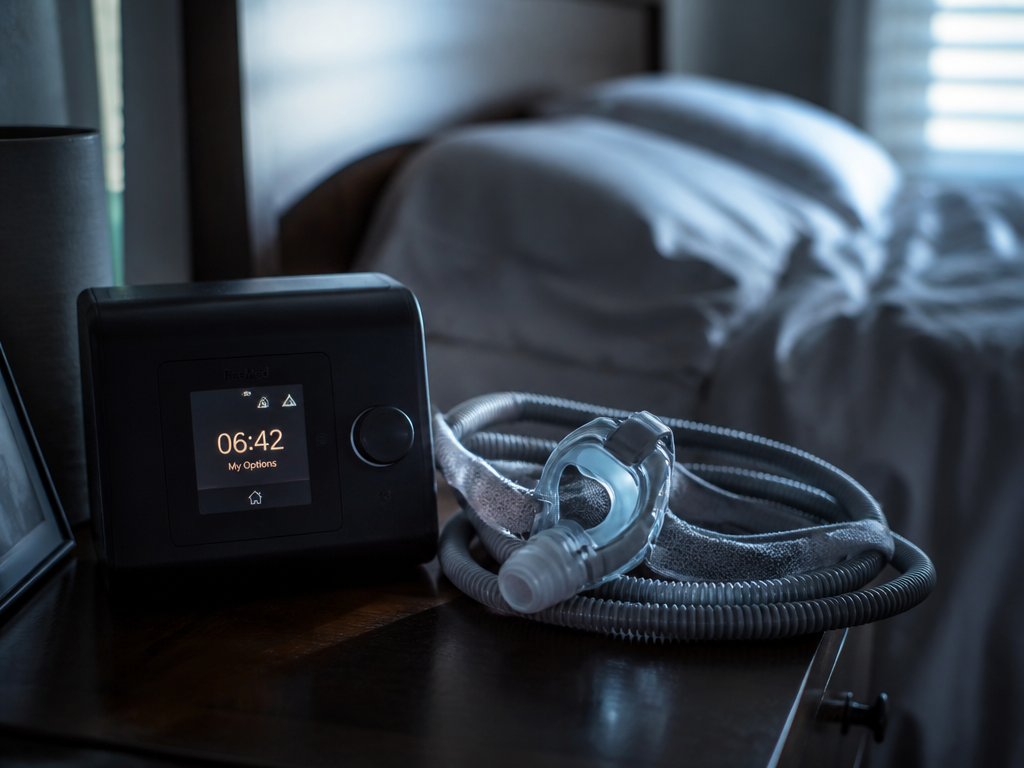
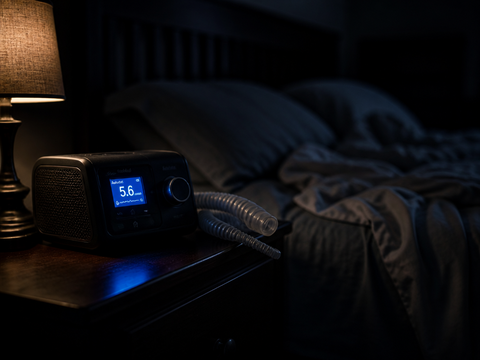
Then comes the script. For moderate-to-severe obstructive disease, that script is almost always CPAP: continuous positive airway pressure, a blower that pushes a column of air through a mask to hold the airway open. The machine arrives from a durable medical equipment supplier, often with a twenty-minute setup and a mask the supplier had in stock rather than the one that fits your face.
And here is what most people genuinely do next. They try it for a few nights. It feels strange — air pushing against exhalation, a strap leaving marks, a partner now sleeping beside a small appliance. By the end of the first or second week, a large share of new users have quietly retired the machine to a closet shelf. The adherence literature has documented this discontinuation cliff for two decades. The drop-off is steepest early, which means the first week is doing more work than any other week, and it's the week patients are most often left alone to figure out.
What the airway is actually doing
It helps to know what the machine is fighting, in the order it happens. You fall asleep. The muscles of your throat — the genioglossus that anchors your tongue, the muscles of the soft palate and pharyngeal walls — relax, as all muscles do in sleep. In a vulnerable airway, that relaxation lets the soft tissue collapse inward. You keep trying to breathe; your diaphragm pulls harder against a closed pipe, the way a straw collapses when you suck a thick milkshake too hard. Oxygen in the blood begins to fall. Carbon dioxide rises.
Your brainstem notices. It triggers a brief arousal — usually too short to remember — that restores muscle tone, snaps the airway open, and produces the gasp or snort a bed partner learns to dread. You drift back down, the muscles relax again, and the cycle repeats. At an AHI of 32, this is happening roughly every two minutes, all night, every night. The sleep architecture fragments. You spend the night surfacing and sinking, never settling into the deep and REM stages that do the restorative work. That's why people with untreated obstructive apnea can sleep eight hours and wake up wrecked. CPAP doesn't sedate you or relax anything. It splints the airway open with air pressure so the collapse never happens and the brainstem never has to sound the alarm.

The destigmatizing framing — lots of people use these, it's nothing to be embarrassed about — is necessary, because shame keeps people from treatment. But it's not sufficient, because nobody abandons therapy out of embarrassment. They abandon it because the first nights are hard and no one prepared them.
What the evidence suggests
Does CPAP cure sleep apnea? No. It controls it the way glasses control nearsightedness — the moment you stop using the device, the underlying condition is exactly where it was. The airway still collapses when the pressure goes away. This matters because the implicit hope of many new patients is a finite course of treatment, like antibiotics, and managing that expectation early prevents the disappointment that fuels quitting.
So the real question is adherence, and the evidence here is more honest than the round numbers suggest. The most-cited benchmark — using the machine at least four hours a night on at least 70 percent of nights — traces largely to work by Terri Weaver and colleagues in the 1990s and 2000s, including a 2007 study in Sleep showing that daytime function kept improving with more hours of use, with different functions plateauing at different doses. The four-hour line that insurers now enforce is partly a clinical observation and partly an administrative convenience. There's nothing magic about four hours. More is better; the relationship looks closer to a dose-response curve than a cliff. If you used it five hours last night, that was not a failure because the contract said seven.
What does the therapy reliably deliver? The strongest, least disputed effect is on daytime sleepiness and the quality of your sleep itself — this is well-established across many randomized trials. Blood pressure tends to drop modestly, more in people who were sleepier to begin with. Those are real and worth having.
The cardiovascular promise is where the data is thinner than the confidence with which it's usually stated. The large SAVE trial (McEvoy et al., 2016, New England Journal of Medicine), which followed more than 2,700 people with moderate-to-severe apnea and existing cardiovascular disease, did not find that CPAP reduced the rate of subsequent cardiovascular events compared with usual care. The likely culprit was adherence — participants averaged only about 3.3 hours a night, below the threshold where benefits seem to accumulate — so the trial may have tested undertreatment as much as treatment. It's a genuinely unsettled question, and a patient deserves to hear it framed that way rather than promised a heart-attack shield the evidence hasn't delivered.
Therapy is not one device
CPAP is the default, not the only option, and the alternatives have honest places.
Mandibular advancement devices — custom oral appliances that hold the lower jaw forward — work for many people with mild-to-moderate disease and for those who simply will not tolerate a mask. They lower the AHI less than CPAP does on average, but a device you wear beats a machine you don't. Positional therapy matters for the subset whose apnea is dramatically worse on their back; for them, staying off the back can do a surprising amount of the work, though it rarely solves severe disease alone. Hypoglossal nerve stimulation — an implanted device that gently fires the nerve controlling the tongue during sleep — has real evidence behind it (the STAR trial, Strollo et al., 2014, NEJM) for a carefully selected group, but it's surgery, and it's not for everyone. And weight loss genuinely reduces severity for many people, though it's slow, hard, and not a reason to delay treating an airway that's collapsing tonight.
On the practical side, two interventions have modest but real support: heated humidification reduces the dried-out nose and throat that drive people away, and the "ramp" feature, which starts pressure low and builds it over twenty minutes, helps some people fall asleep before full pressure arrives. Structured desensitization — wearing the mask while awake, watching television, before ever attaching it to the machine — is a small intervention with a reasonable evidence base for improving early adherence. None of these is a breakthrough. Together they move the needle on the week that decides everything.
What I actually do
If I'm sitting with someone the week after diagnosis, I don't lead with pressure settings or AHI targets. I lead with the mask, because mask fit is the single most common reason therapy fails, and it's almost never the part the supplier spent time on.

The leak number is the one I watch. Every modern machine reports it, usually through an app. A little leak is normal and designed in — the mask is meant to vent exhaled air. A large, unintentional leak means air is escaping past a bad seal, which both wakes you up and lets the machine fail to deliver the pressure that's holding your airway open. If the leak number is high, the fix is almost always the mask and the fit, not the machine. People over-tighten straps to stop leaks, which deforms the cushion and makes the leak worse. The seal comes from the cushion sitting correctly, not from cranking it down.
I also reframe the timeline. Nobody adapts to this in three nights. I tell people to commit to thirty nights before judging it, and to treat the first two weeks as fitting and troubleshooting rather than a verdict on whether they're a "CPAP person." There's no such thing as a CPAP person. There are people with the right mask and people with the wrong one.
An honest rule of thumb for the first hard week
Tonight, if the mask is fighting you, work down this short list before you give up on the machine entirely:
| The problem | The first thing to try |
|---|---|
| Loud leak, air on your eyes | Loosen the straps and reseat the cushion — don't tighten |
| Dry nose, sore throat, congestion | Turn up the heated humidifier a notch |
| Air feels like too much at lights-out | Turn on the ramp so pressure starts low |
| Can't fall asleep with it on | Wear it 30 minutes awake, on the machine, before bed for a few days |
| Feels claustrophobic | Ask your supplier about a nasal pillow mask instead of a full-face |
If two weeks of honest effort and the right mask still leave you miserable, that is not a personal failure — it's information. It means it's time to call the prescriber about a different mask, a different pressure mode (an auto-adjusting APAP machine instead of fixed CPAP, for instance), or a different therapy entirely. The oral appliance and the nerve stimulator exist precisely for the people for whom the mask never clicks.
The one thing I never do is treat the closet shelf as the end of the story. Most people who quit in week one and come back six months later, with a mask that actually fits and a reason to keep going, do fine. The failure isn't the first failure. The failure is deciding the first failure was permanent.
What this piece didn't answer
This was about the most common road: an adult, newly diagnosed with obstructive sleep apnea, deciding whether and how to start therapy. It deliberately left a great deal out.
It didn't address central sleep apnea, where the problem isn't a collapsing airway but a brain that intermittently stops sending the signal to breathe — a different mechanism that often needs a different machine and a workup for underlying heart or neurological conditions. It didn't touch pediatric apnea, where the first-line treatment is frequently surgery to remove tonsils and adenoids rather than a mask. It didn't settle the long-term mortality question — whether treating apnea makes people live longer — because the randomized evidence, SAVE included, hasn't settled it, and the observational data can't fully separate the disease from everything that travels with it. And it skipped the emerging genetics and the role of newer weight-loss medications, both of which are moving fast enough that anything written now will read as dated soon.
For those, the place to look next is not another blog. It's the clinician who ordered your study, the American Academy of Sleep Medicine's patient materials for plain-language explanations of the device options, and — if your machine has an app — your own nightly data, which is the only study ever run on your particular airway. Read this, then go ask better questions of the person holding your chart: the first week is survivable, the mask matters more than the number, and the only outcome that's truly fixed is the one where you stop.