Diane Norwood
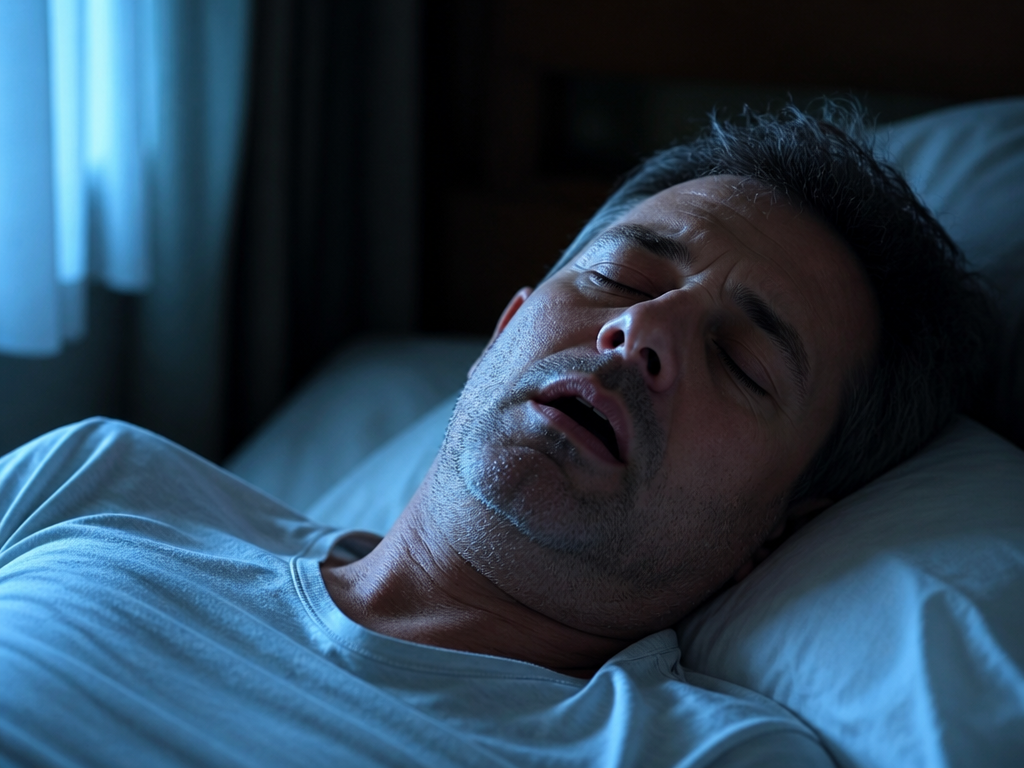
Sleep Apnea, Defined: What the Word Actually Means and How We Decided It Mattered
There is a number sitting underneath the diagnosis of sleep apnea, and most people who get the diagnosis never hear it. The number is five.
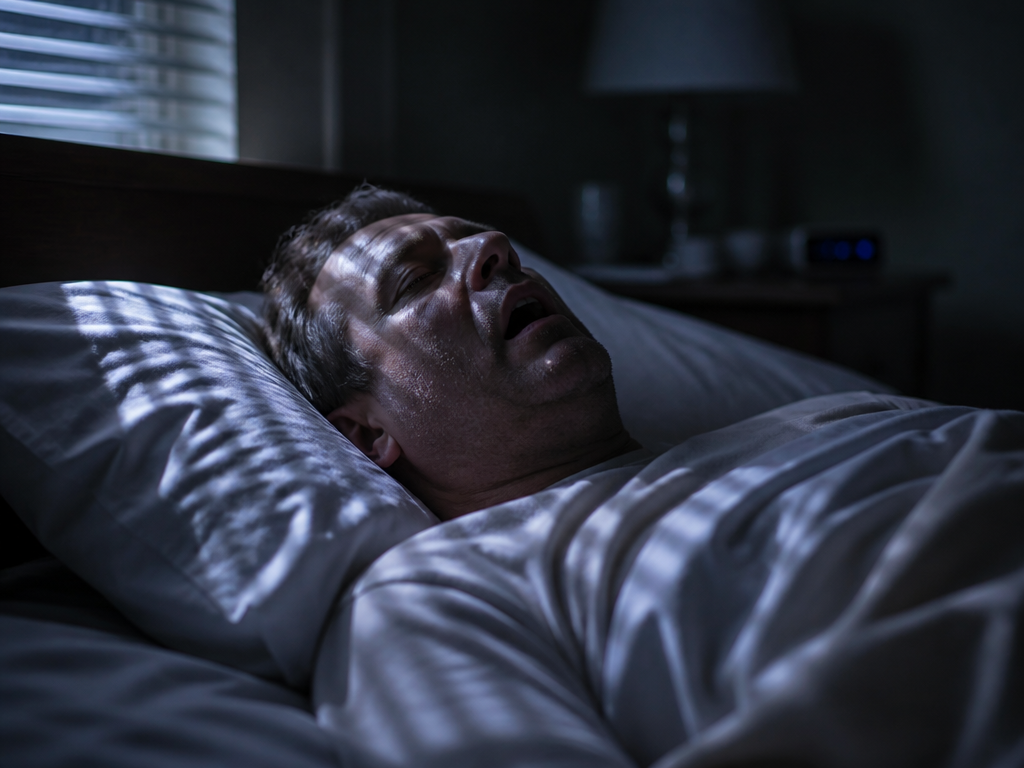
Sleep Apnea and Blood Pressure: What the NIH Actually Says, and Where the Mechanism Gets Murky
Here is a sentence that has been copied onto thousands of pages: untreated sleep apnea can raise the risk of high blood pressure, heart attack, and stroke.
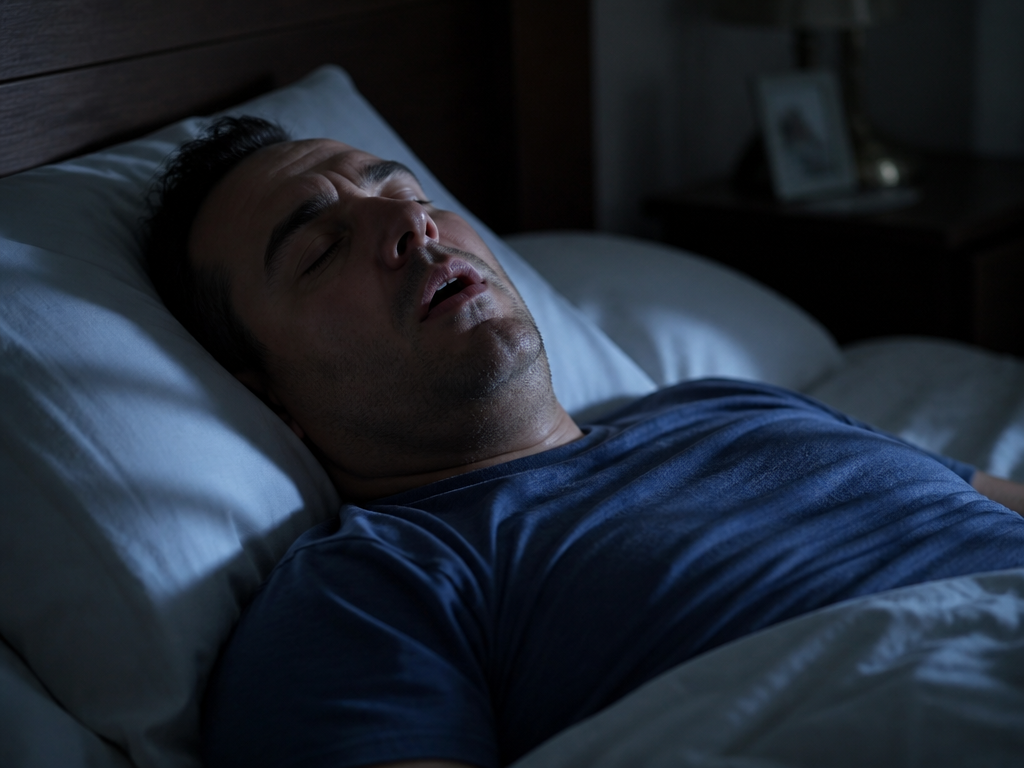
Sleep Apnea and Cardiovascular Risk: What the Stroke Numbers Actually Say
The line you'll hear in a sleep clinic, or read on the pamphlet they hand you after a positive home test, goes something like this: treat your apnea and you protect your heart and your brain.
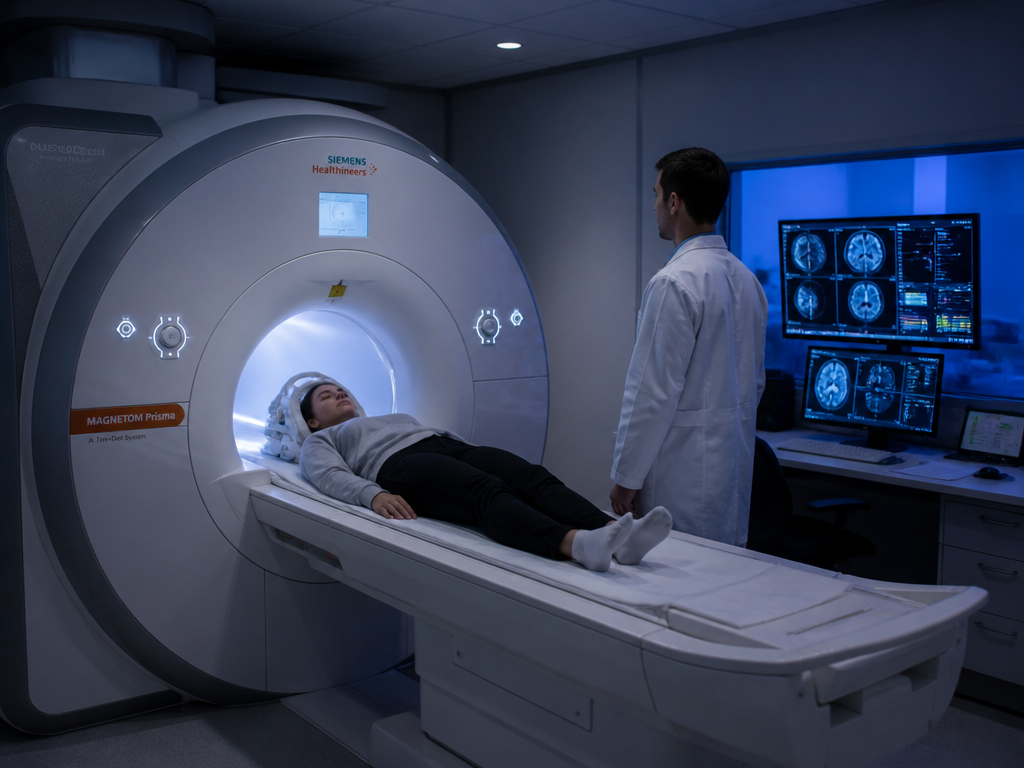
Poor Sleep Quality Doesn't Just Tire You Out — It Turns Up the Volume on Pain
Lose enough sleep and your body will hurt more the next day — not because you're tired, and not because something has broken, but because your nervous system has quietly recalibrated how much pain a…
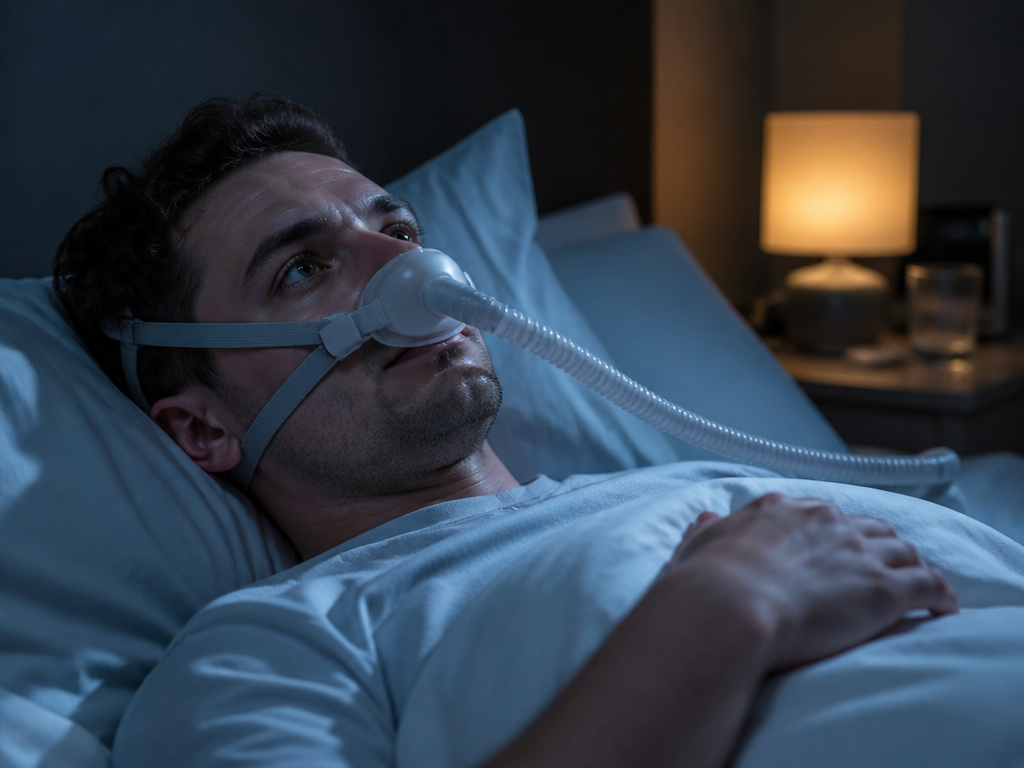
Why Does CPAP Therapy Feel Worse Before It Feels Better? The Ramp Question, Honestly Answered
There is a moment, somewhere in the first week of CPAP therapy, that almost everyone remembers. You lie down, settle the mask, press the button. The machine hums.

What PAP Therapy Actually Does to Your Throat at 3 A.M.
The night before my titration study, I clipped a borrowed pulse oximeter to my index finger and went to sleep curious about my own throat. The graph in the morning looked like a saw blade.
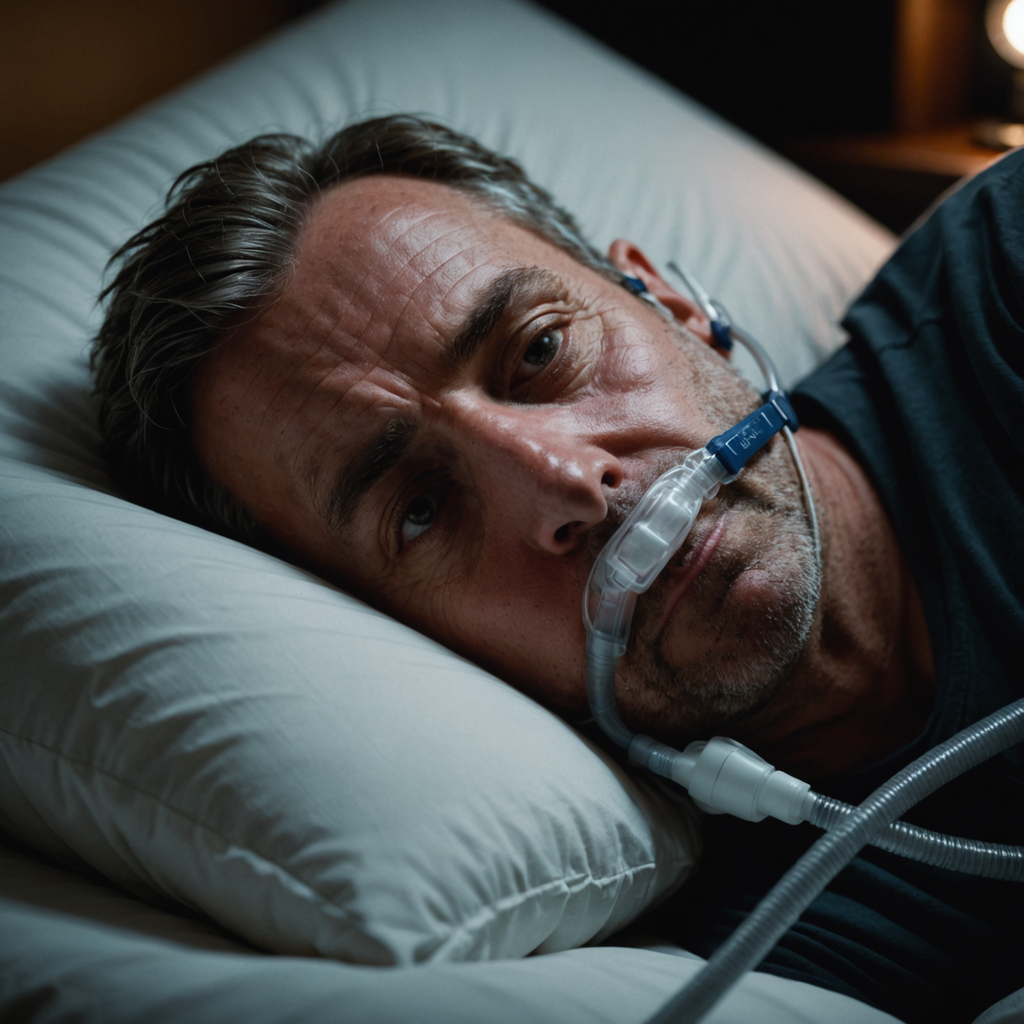
CPAP Therapy Adherence Is a Habituation Problem, Not a Willpower One
You have probably been handed a number. Maybe by a sleep technician, maybe by a forum, maybe by the inside of your own head at 2 a.m.
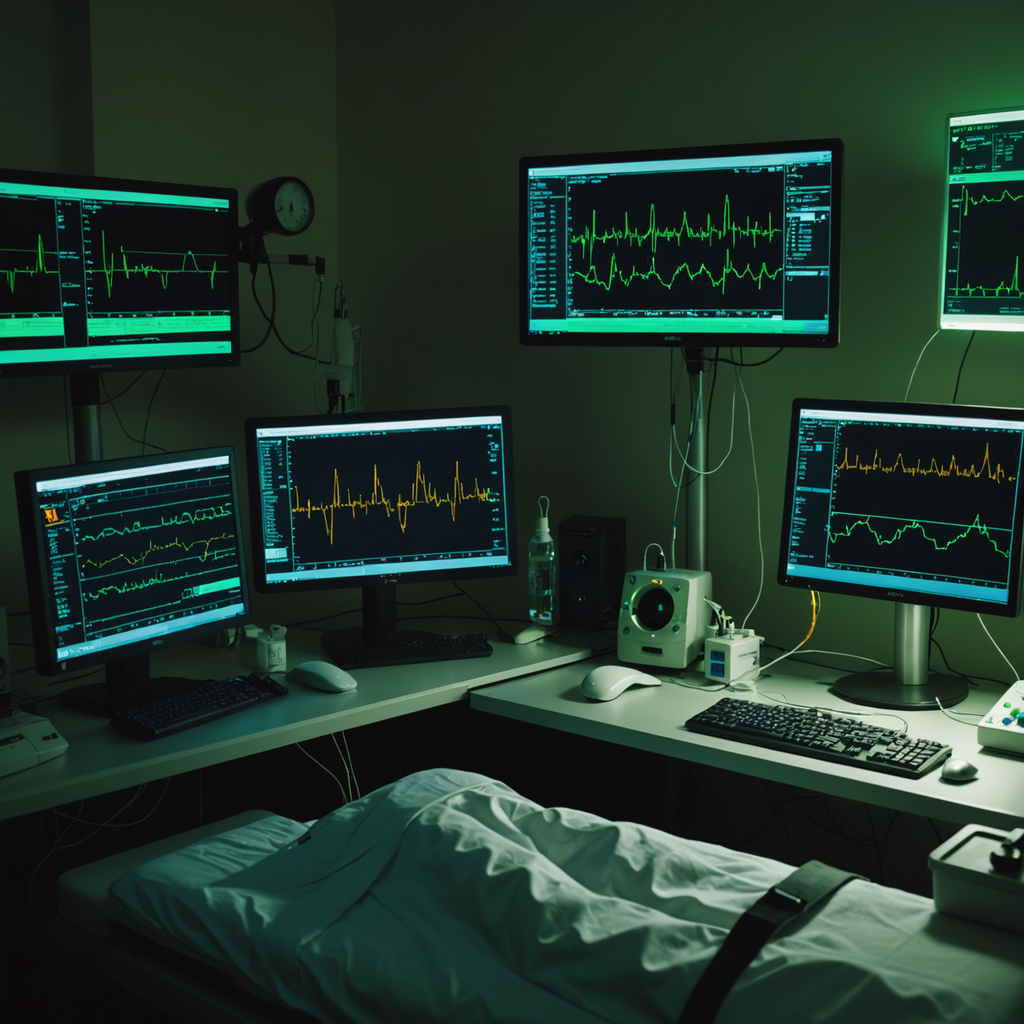
The AHI of 5: What Your Central Sleep Apnea Diagnosis Actually Measures
An AHI of 5. That is the number that, in most American sleep labs, moves a person from "snorer" to "patient." The Apnea-Hypopnea Index — events per hour of sleep — is the single figure that decides…
The Real Causes of Insomnia, Ranked by What the Evidence Actually Shows
Somewhere between 30 and 35 percent of adults report insomnia symptoms in any given year. About 10 percent meet the criteria for chronic insomnia disorder.