James Hartley
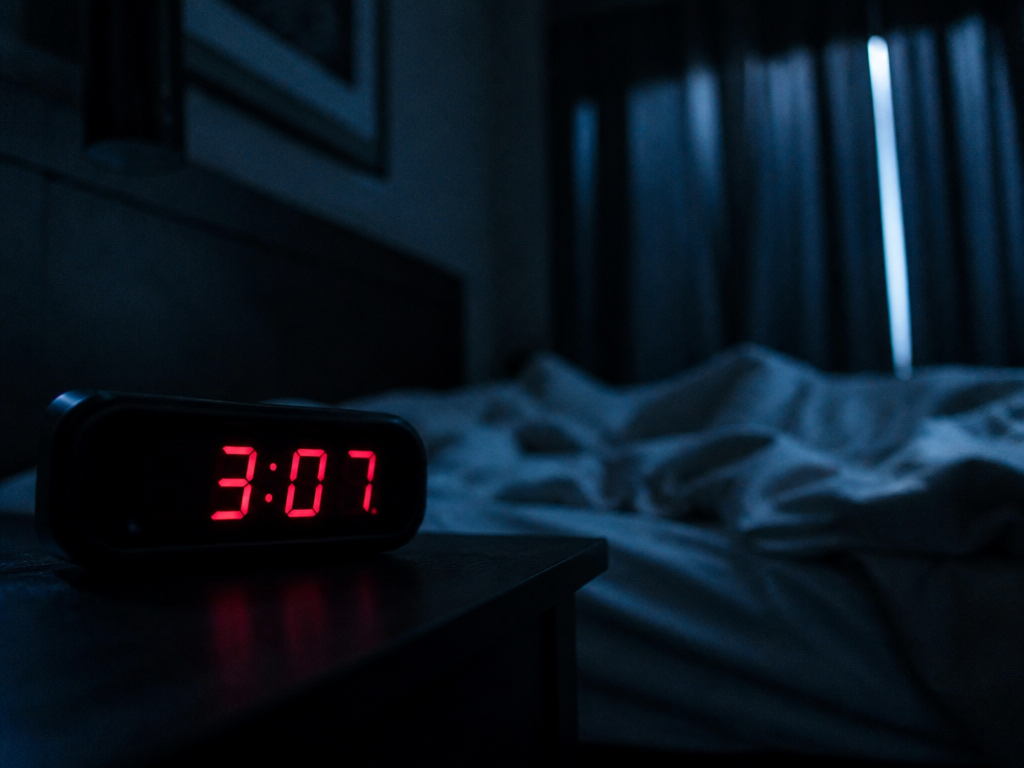
PTSD and Sleep: I Spent Six Weeks Testing What Actually Quiets the 3 A.M. Waking
If your sleep fell apart after something bad happened — a crash, a deployment, a loss, a night you don't talk about — and you've been treating it like ordinary insomnia, the connection between PTSD…
Sleep Apnea Types: What the Diagnosis Actually Tells You
You get the report and there's a number on it. The apnea-hypopnea index — the AHI — counts how many times an hour your breathing stopped or shrank. Five is the threshold. Fifteen is moderate.
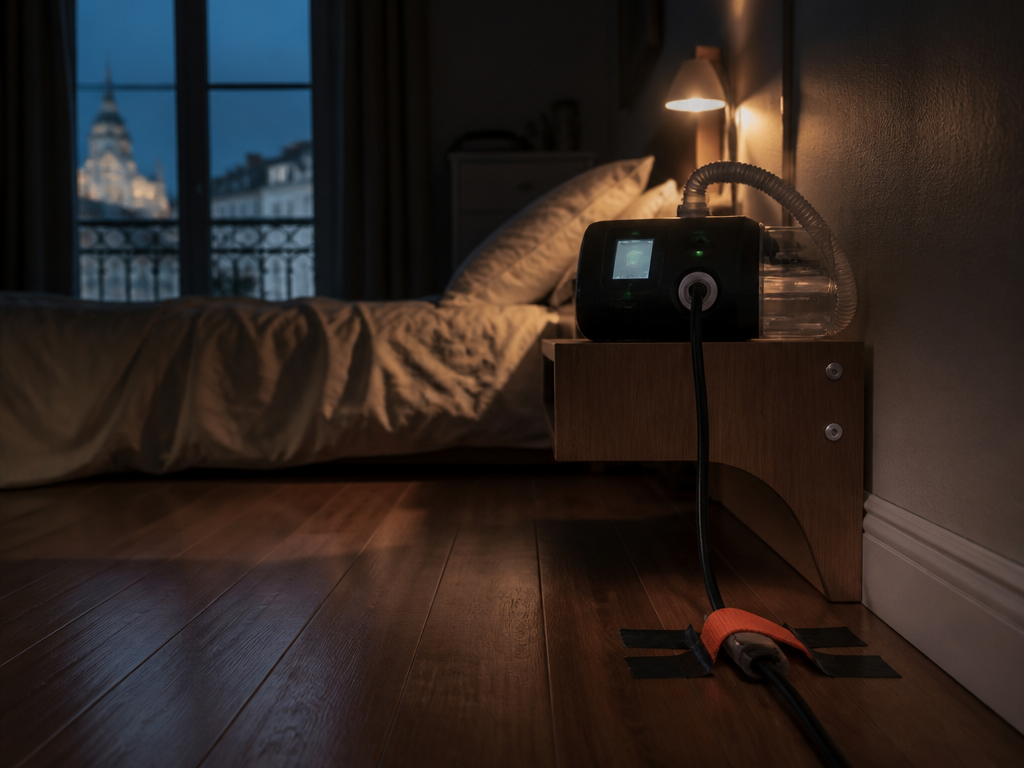
Sleep Apnea Therapy on the Road: What Actually Happens When You Travel With a CPAP
The first night in the rented apartment in Lisbon, I could not find an outlet within reach of the bed.
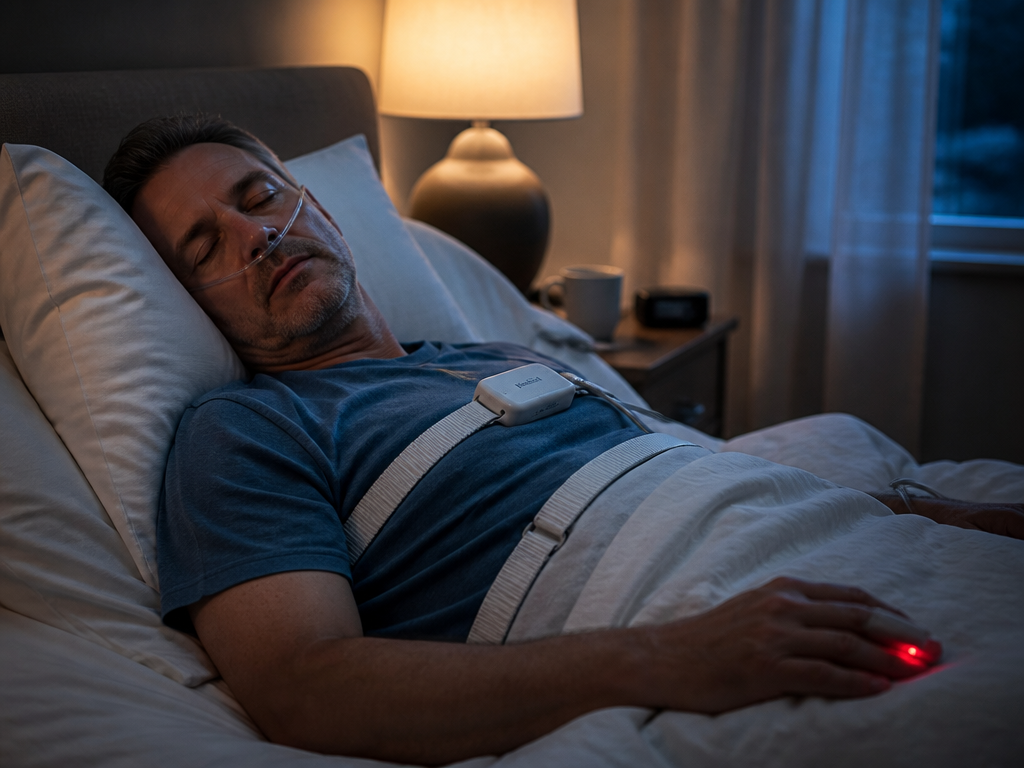
I Wore a Home Sleep Test for Three Nights: What Obstructive Sleep Apnea Actually Looks Like on a Chart
My wife has told me for years that I stop breathing in my sleep. I assumed she was exaggerating, the way you do when someone interrupts an argument with your own snoring.
Snoring Isn't Always Obstructive Sleep Apnea — Here's What the Sound Actually Tells You
There is a specific sound a person makes when they've been elbowed awake for the third time and asked, with real worry, to please just roll over. It's a half-apology. Most snorers have made it.

Sleep-Promoting Foods: What the Evidence Actually Says About Natural Sleep Aids on Your Plate
There is a glass of tart cherry juice in roughly half the sleep articles on the internet, and it is usually doing more work than the underlying study can support.
Why a Psychologist Might Be the Best Insomnia Treatment Your GP Hasn't Mentioned
A reader writes, in so many words: I've had bad sleep for two years. I don't want to be on temazepam for the rest of my life. My GP suggested a psychologist.
The Real Health Risks of Sleep Apnea: Where the Standard Warnings Hold Up, and Where They Don't
The standard warning goes like this: untreated sleep apnea raises your risk of heart attack, stroke, dementia, car crashes, depression, and early death.
Six Weeks of Changing My Days, Not My Nights: A Sleep and Lifestyle Experiment
My bedroom was not the problem. That is the part I had to admit before anything got better. For about a year I had been doing what the internet told me to do. Blackout curtains. Thermostat at 18°C.