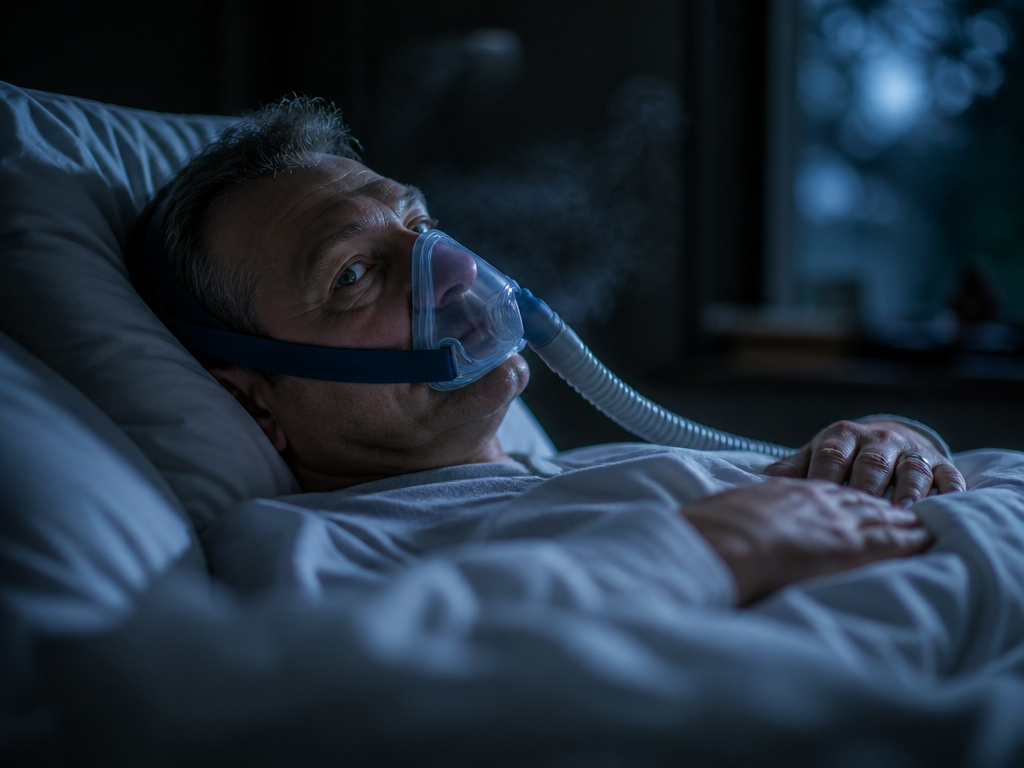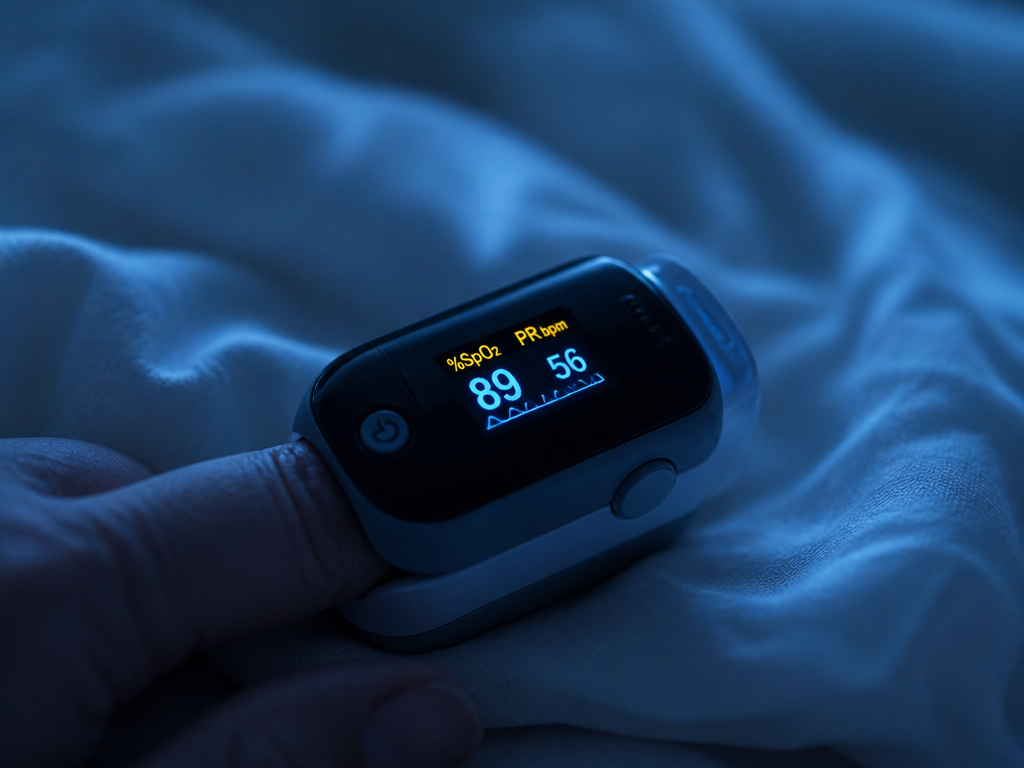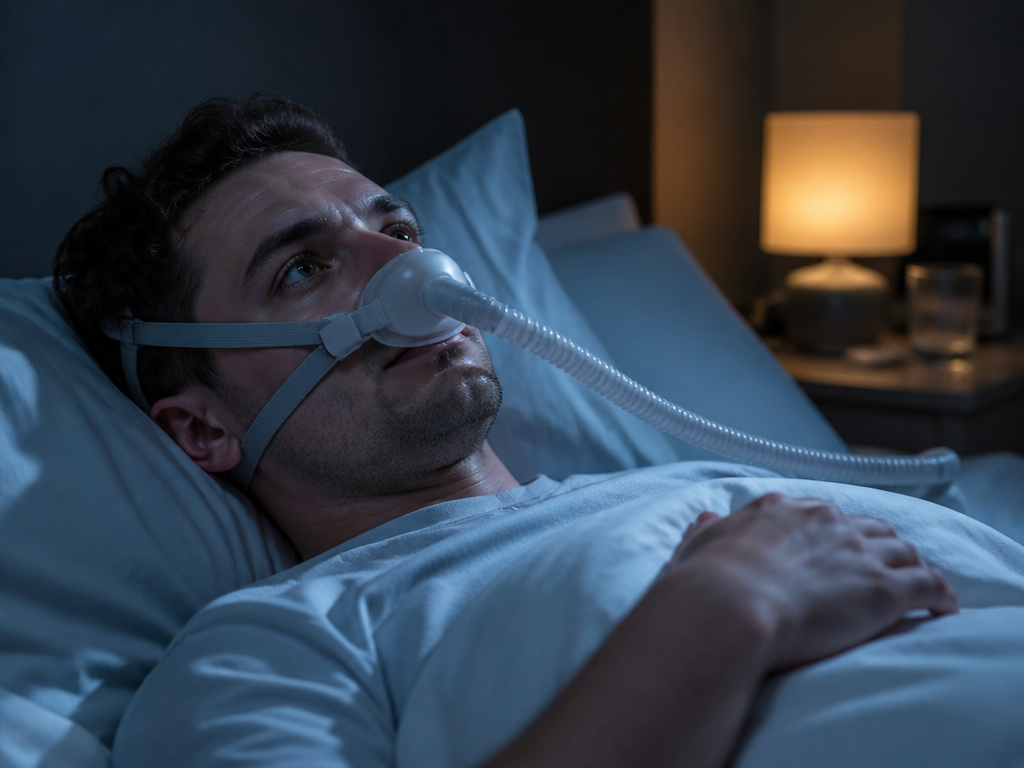
A machine that saves your life shouldn't make you dread bedtime. But for a large share of people who start CPAP therapy, that's the bargain on offer: fewer apneas, deeper sleep, a heart that stops lurching awake forty times an hour — in exchange for waking up with a mouth like chalk and a throat that feels scraped. Adherence studies have long put the share of users who quit or use the device poorly somewhere around a third to a half within the first year, and dryness is one of the complaints that pushes people toward the closet shelf where the machine goes to die.
The good news is that dryness isn't mysterious. It's plumbing and physics, and it happens in a predictable order. So let's follow the air — from the moment it leaves the machine to the moment you wake up parched — and fix it where it actually breaks.
What the airflow is doing before it reaches you
A CPAP doesn't pump oxygen. It pumps room air at a steady pressure — typically somewhere between 4 and 20 cm H₂O — and that pressure acts like a pneumatic splint, holding the soft tissue of your throat open so it can't collapse during sleep. That part works. The collapse is what causes obstructive apnea, and continuous positive airway pressure prevents it mechanically. Nothing about the moisture of the air is part of the therapeutic mechanism. Dryness is a side effect of moving a lot of air fast, not a feature of the treatment.
Here's the volume problem. A resting adult moves maybe 6 to 8 liters of air per minute. A CPAP adds a constant bias flow on top of your breathing — air that flushes exhaled CO₂ out through the mask vent. Over a seven-hour night, you're conditioning an enormous amount of dry air, and your own airway is the thing doing the conditioning.
Stage one: the mask, the nose, and the leak you don't feel
Air enters at the mask. Normally your nose is a brilliant humidifier — the turbinates warm and moisten incoming air using the wet mucosa lining your nasal passages. That's its day job. Under CPAP, two things break it.
Walk it through in order
First, the sheer flow outpaces what the nose can humidify. The mucosa gives up water faster than it can replace it, and the nasal lining starts to dry and swell. A swollen nose is a congested nose, which tempts you to open your mouth.
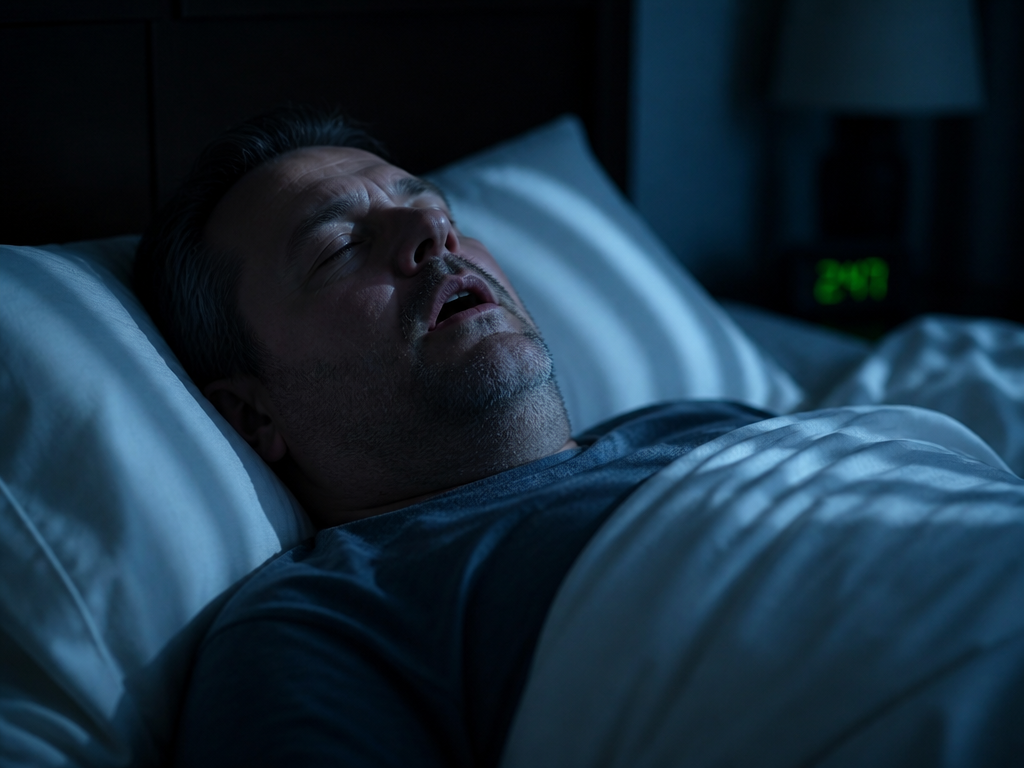
Second — and this is the one most people miss — comes the leak. If you use a nasal mask or nasal pillows and your mouth falls open during sleep, the pressurized air takes the path of least resistance: in through the nose, out through the mouth. That's a one-way gale blowing across your entire oral cavity all night. It's the single most common cause of severe CPAP dry mouth, and no amount of humidifier tinkering fully solves it, because the moisture is leaving the building as fast as you add it.
A small unfelt leak around the mask seal does a quieter version of the same thing, and it also makes the machine ramp up flow to compensate — drying you out further.
Stage two: the airway dries, and the water goes somewhere

Once you add a heated humidifier — standard on most modern machines — the air arrives carrying water vapor. Warm air holds more water than cool air, which is the whole point. But it's also the source of a second problem.
The humidified air travels down the tube, and if the room is cooler than the air, the vapor condenses on the tube wall. By morning there's a puddle, sometimes a gurgle, and the air reaching your face has lost the moisture you paid for. Clinicians call this condensation problem "rainout." The fix is heated tubing, which keeps the air warm from the machine all the way to the mask so the water stays airborne until it reaches you — where you actually need it.
Stage three: morning mouth, and why it decides whether you keep going
The downstream effect is the one you feel. Saliva production drops during sleep anyway; add a current of dry air across the oral mucosa and you wake with the chalk mouth, the cracked lips, sometimes a sore throat or a hoarse voice. None of this is dangerous on its own. But it is exactly miserable enough to make a tired person decide the cure is worse than the disease — and untreated apnea is genuinely linked to hypertension, arrhythmia, and daytime crashes behind the wheel. The dryness is minor. What it threatens is your willingness to keep treating something that isn't.
What the research actually measured
The evidence for heated humidification is solid for symptoms and shakier for adherence. The often-cited work — Massie et al. (1999) in Chest, comparing heated humidification, cold passover, and no humidification across roughly 38 to 40 users — found heated humidification meaningfully reduced dryness and upper-airway symptoms. Several later reviews echo this. But when researchers ask whether adding a humidifier makes people use the machine more hours, the picture is genuinely mixed; a number of trials found no significant adherence bump. So: well-established that humidification eases dryness, plausible-but-thin that it rescues compliance by itself. For mouth-breathing leak, the better-supported fix is a chinstrap or a switch to a full-face mask — addressing the cause, not the symptom.
An honest order to troubleshoot in
Work it the way the air flows — entry first, conditioning last.
| If your dryness is… | Likely stage | First thing to try |
|---|---|---|
| Mouth bone-dry, nose fine | Mouth leak (stage one) | Chinstrap, or full-face mask |
| Whole nose/throat dry | Underhumidification | Raise humidifier setting one step |
| Water in tube, weak moisture | Rainout (stage two) | Heated tubing, or warm the room |
| Mask hisses or air escapes | Seal leak | Refit mask before tightening it |
Tighten nothing as a first move. A overtightened mask leaks worse and bruises the bridge of your nose, and it almost never fixes dryness.
Try this week
Tonight, before changing any setting, tape a sticky note to your nightstand and check one thing each morning: was your mouth dry, or your whole airway? Three mornings of that, and you'll know whether you're chasing a leak or a humidifier setting — and you'll walk into your next clinic visit with data instead of a complaint. Talk the change through with whoever manages your prescription before you turn a dial.
Fix the smallest broken thing first, and you usually keep the therapy that's keeping you alive.