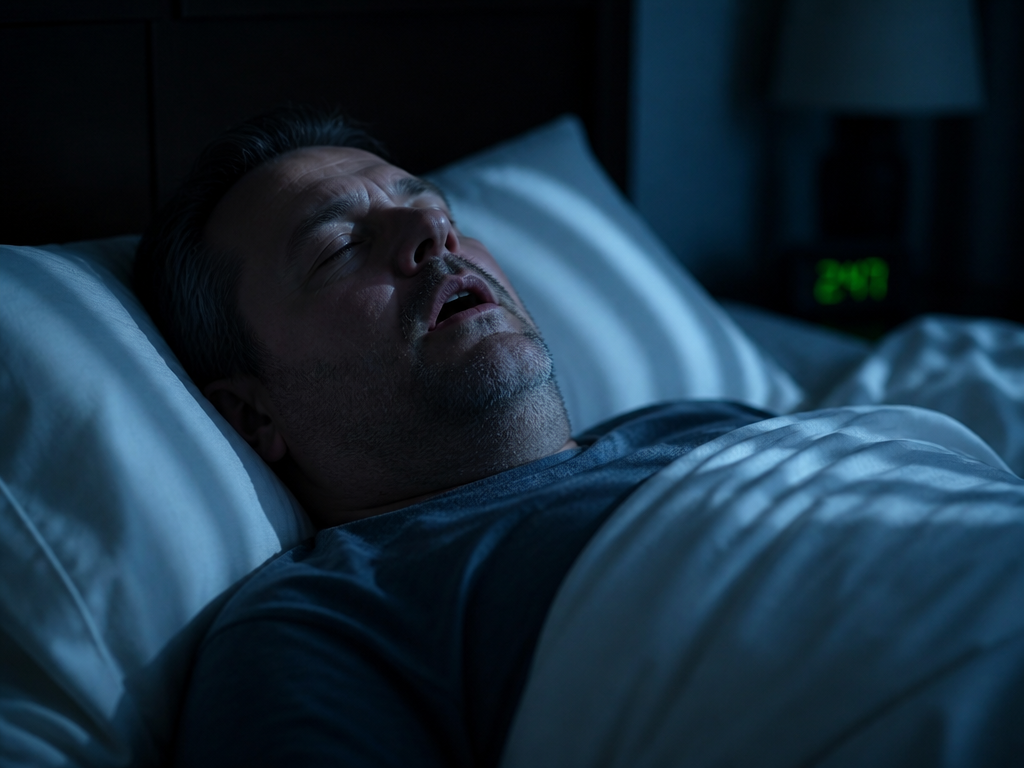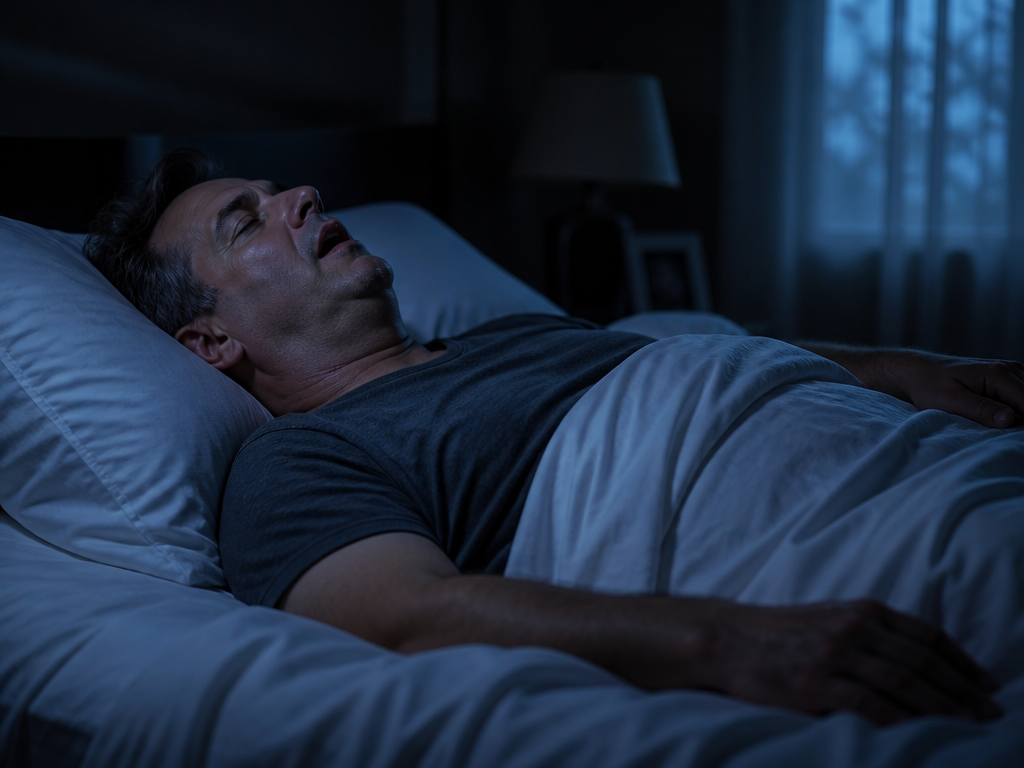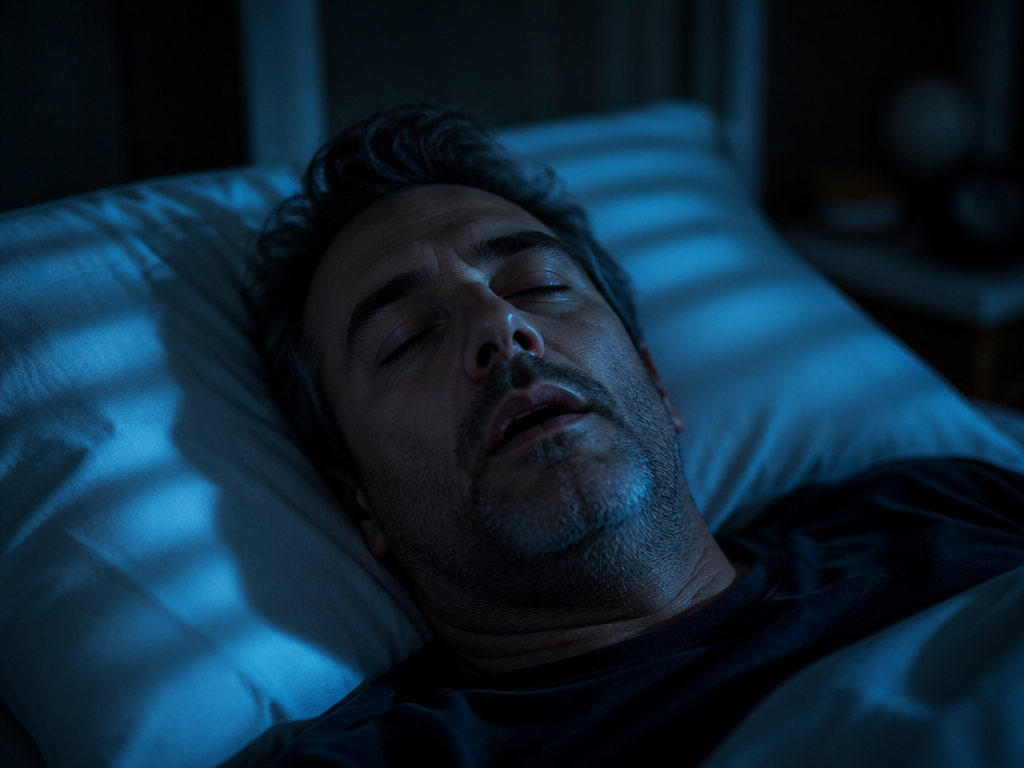
Obstructive sleep apnea is filed in the wrong drawer. We call it a sleep disorder, treat it in sleep clinics, and measure it in events per hour of sleep. But the damage that makes sleep apnea worth worrying about is mostly cardiovascular and metabolic. The disrupted sleep is the symptom you notice. The strain on your arteries, your heart's electrical system, and your glucose control is the part that shortens lives — and it happens while you're unconscious, with no idea anything is wrong.
That's a strong claim. The rest of this is an attempt to earn the right to have made it.
What is actually happening in the body
Start with the mechanics, in the order they unfold.
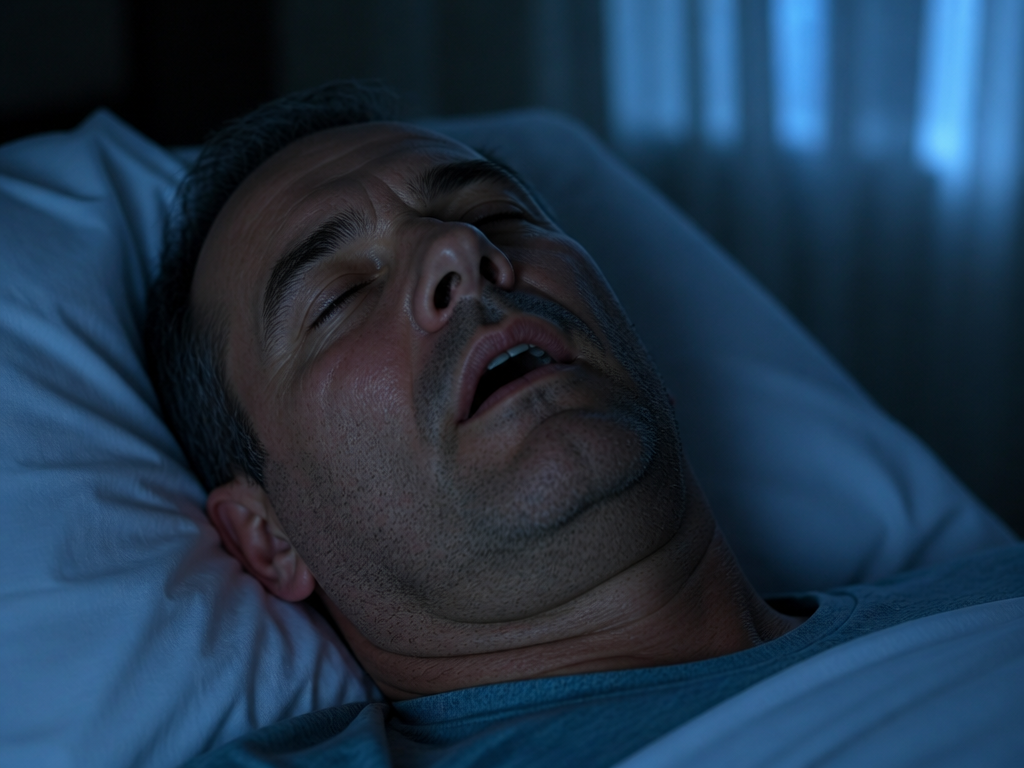
You fall asleep. Muscle tone drops everywhere, including the muscles that hold the upper airway open — the tongue, the soft palate, the walls of the pharynx. In a person with a narrow or crowded airway, that relaxation is enough for the tissue to collapse inward. The airway closes. You keep trying to breathe; the chest and diaphragm pull against a sealed pipe.
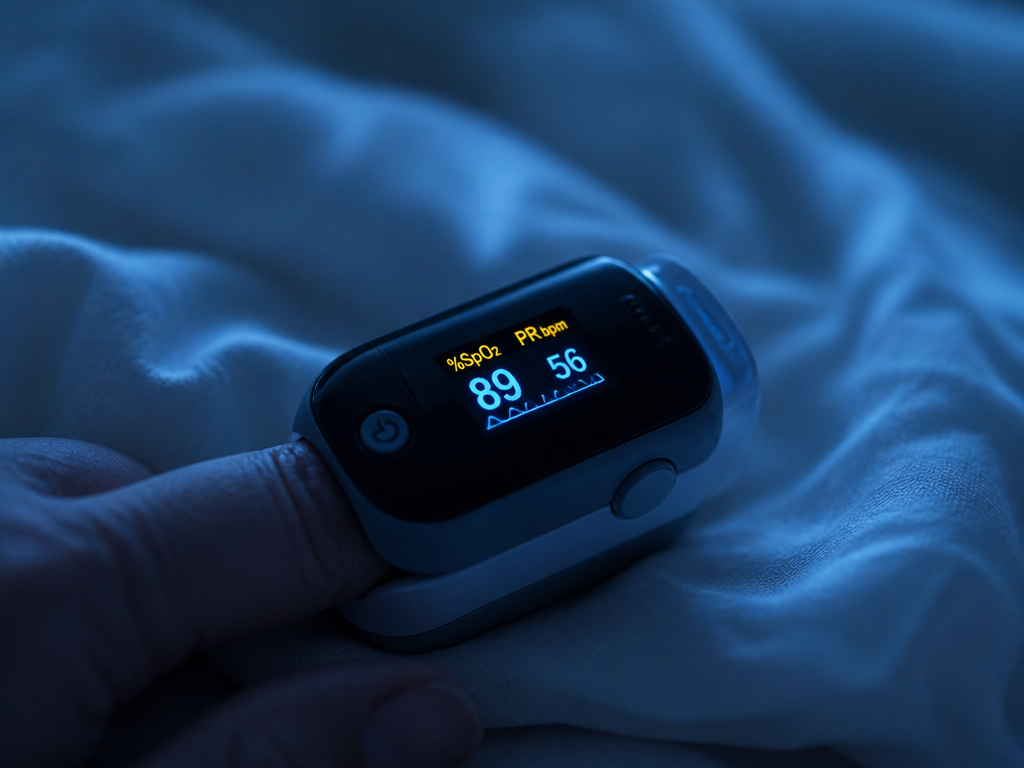
For some seconds — sometimes ten, sometimes more than thirty — no air moves. Blood oxygen falls. Carbon dioxide rises. The body reads this as an emergency, because it is one. The sympathetic nervous system fires: heart rate and blood pressure surge, and the brain pulls you up toward wakefulness just far enough to restore muscle tone and reopen the airway. You gasp. You almost never remember it. Then you sink back down, and minutes later it happens again.
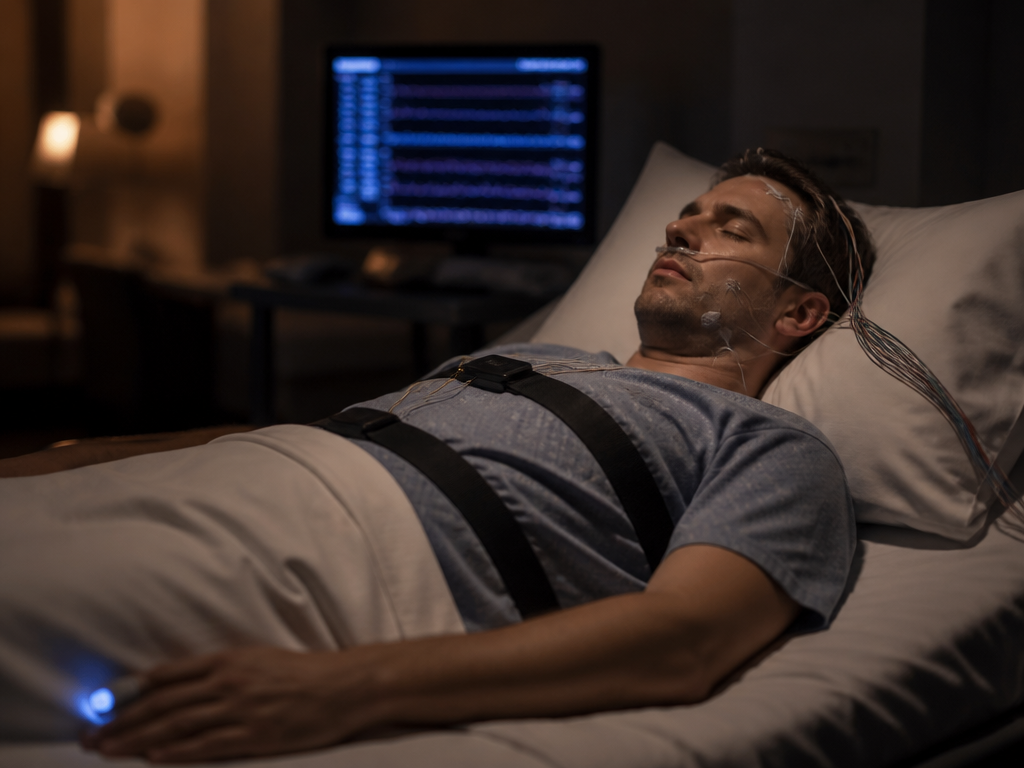
In severe disease this cycle repeats dozens of times an hour. The standard measure, the apnea-hypopnea index (AHI), counts these events per hour of sleep: 5 to 15 is mild, 15 to 30 moderate, above 30 severe. What the AHI doesn't fully capture is the two distinct insults each event delivers — a drop in oxygen, and a jolt of nervous-system arousal. Hold onto that distinction. It matters later.
Why is sleep apnea dangerous if it just disrupts sleep?
Because it doesn't just disrupt sleep. Each apnea triggers a spike in blood pressure and a surge of stress hormones, and a person with severe disease experiences hundreds of these surges every night, for years. The repeated drops in blood oxygen (intermittent hypoxia) inflame the lining of blood vessels and appear to interfere with how the body handles insulin and glucose. The daytime sleepiness is real and worth treating, but the reason cardiologists and endocrinologists care about this condition is that it travels with a cluster of serious diseases — and the link is no longer in dispute.
The diseases that travel with it
The word for conditions that co-occur is comorbidity. Two illnesses showing up together in the same patient, more often than chance would predict. Co-occurrence isn't proof that one causes the other. But for sleep-disordered breathing, the associations are consistent, dose-dependent, and biologically coherent — which is most of what you can ask for short of a controlled trial.
Hypertension. This is the best-established link. The Wisconsin Sleep Cohort Study (Peppard et al., 2000, New England Journal of Medicine) followed 709 adults and found that the odds of developing high blood pressure rose with the severity of sleep-disordered breathing at baseline, independent of weight, age, and other factors. Those nightly blood-pressure surges don't fully reset; the system recalibrates upward. OSA is now a recognized cause of treatment-resistant hypertension.
Atrial fibrillation and heart disease. The Sleep Heart Health Study, a large multi-center cohort, has linked OSA to a higher burden of nocturnal arrhythmias, and Gami et al. (2007, Journal of the American College of Cardiology) reported that the severity of apnea predicted incident atrial fibrillation in patients under 65. The mechanism is plausible: a heart repeatedly stretched and electrically jolted during apneas is a heart primed to misfire.
Stroke. Yaggi et al. (2005, New England Journal of Medicine) followed just over 1,000 patients and found that obstructive sleep apnea was associated with a significantly increased risk of stroke or death, even after adjusting for other vascular risk factors. The association is strong; the causal pathway — through hypertension, through clot-promoting inflammation, through reduced cerebral blood flow during events — is plausible but not fully nailed down.
Type 2 diabetes. Here the evidence is real but more tangled. OSA is associated with insulin resistance, and intermittent hypoxia can impair glucose metabolism in controlled human exposures. But obesity drives both conditions, which makes the independent contribution of apnea genuinely hard to isolate. Call this well-supported but partly confounded, not settled.
A fair summary: the cardiovascular links are strong and consistent. The metabolic links are real but harder to disentangle from body weight. Anyone who tells you the whole cluster is cleanly causal is ahead of the data.
The part we don't understand
Remember the two insults — hypoxia and arousal. We don't yet know which one does more harm, and the answer probably differs by organ. The intermittent oxygen drops look like the main driver of vascular inflammation and metabolic trouble. The repeated arousals and sympathetic surges look more responsible for the blood-pressure damage and the daytime cognitive fog. But these overlap in every patient, and the AHI lumps them together into one number. That single number may be a poor proxy for the harm any given person is actually absorbing, which is one reason two people with the same AHI can have very different outcomes.
A practical way to think about your own risk
If you've been diagnosed, the useful question isn't "how bad is my AHI" alone — it's "what else is going on." Severe apnea in an otherwise healthy 40-year-old and mild apnea in someone with resistant hypertension and atrial fibrillation are different clinical situations. Bring the comorbidities into the conversation, not just the sleep-study score.
A short field guide to severity and red flags:
| Signal | What it suggests |
|---|---|
| AHI 5–15, no daytime symptoms | Mild; treat, but not an emergency |
| AHI 15–30, plus sleepiness | Moderate; treatment clearly indicated |
| AHI over 30 | Severe; strongest comorbidity associations |
| Blood pressure that resists 3+ medications | Untreated apnea is a leading hidden cause |
| Witnessed gasping, plus AFib or prior stroke | Get evaluated promptly, not eventually |
An honest rule of thumb for tonight: if a bed partner has watched you stop breathing and you also carry a cardiovascular diagnosis — high blood pressure, an arrhythmia, a past stroke or heart attack — treat that combination as a reason to push for a sleep evaluation now rather than later. The two conditions feed each other, and the cardiac one is the one that kills.
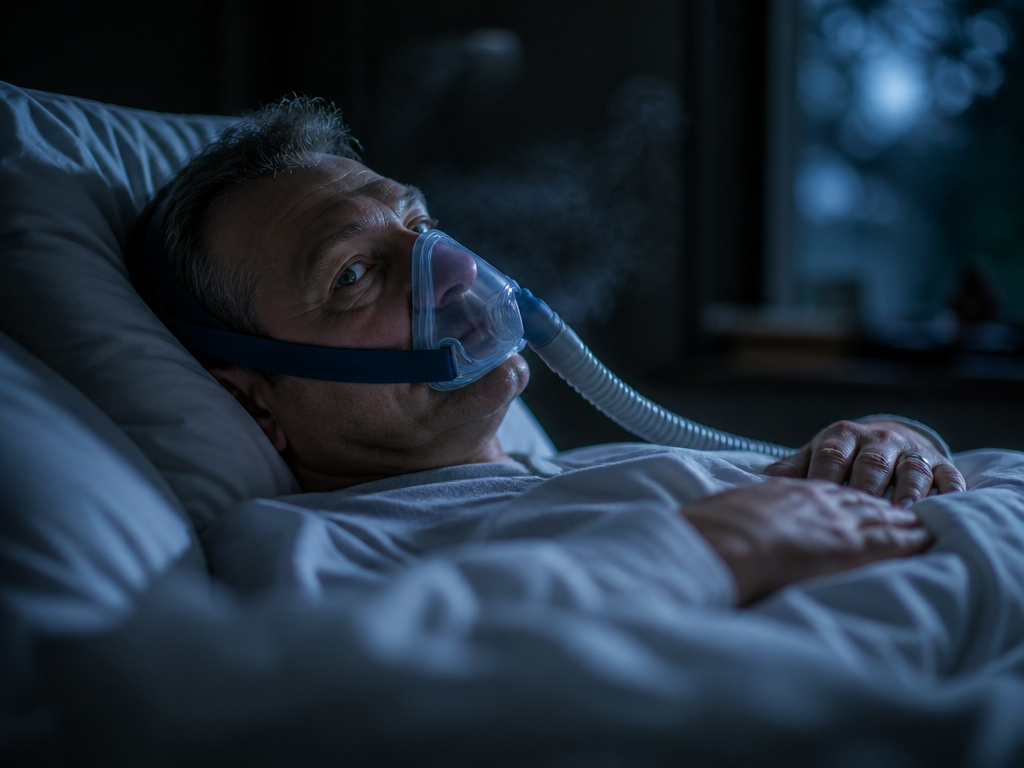
This isn't a reason for panic. Continuous positive airway pressure (CPAP) and other therapies reliably keep the airway open, restore oxygen, and quiet the nightly surges. The symptoms — the sleepiness, the morning headaches, the blood-pressure spikes — improve, often quickly.
The question that's still open
Which brings us to the thing the field hasn't resolved. We know treating sleep apnea makes people feel better and lowers their blood pressure. What we don't yet know, with the confidence we'd like, is whether treating it actually prevents the heart attacks and strokes it's associated with. The largest randomized trial to look — the SAVE trial (McEvoy et al., 2016, New England Journal of Medicine), with over 2,700 patients — found that CPAP improved sleepiness and quality of life but did not significantly reduce cardiovascular events compared with usual care.
There are good reasons to be cautious about that result: participants used their machines only about three hours a night on average, possibly too little to matter, and patients with severe daytime sleepiness were excluded. So the question stands, genuinely unsettled, and worth more than the certainty it usually gets: when we open the airway back up, are we preventing the damage — or only treating the symptoms of a process that's already underway?