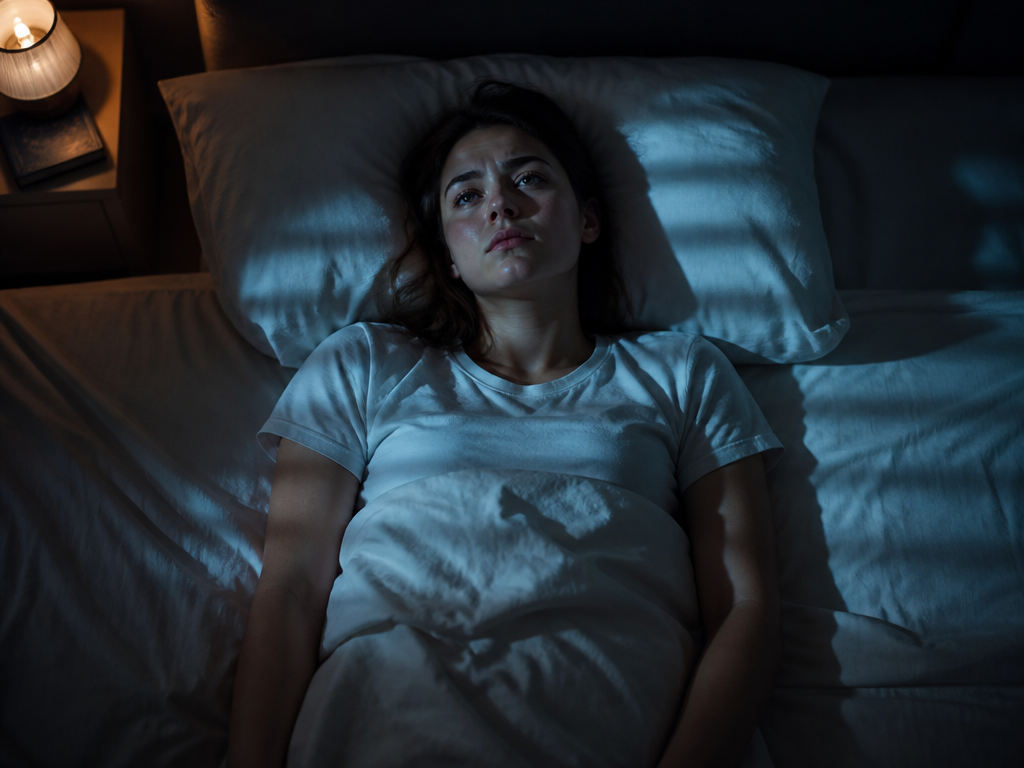
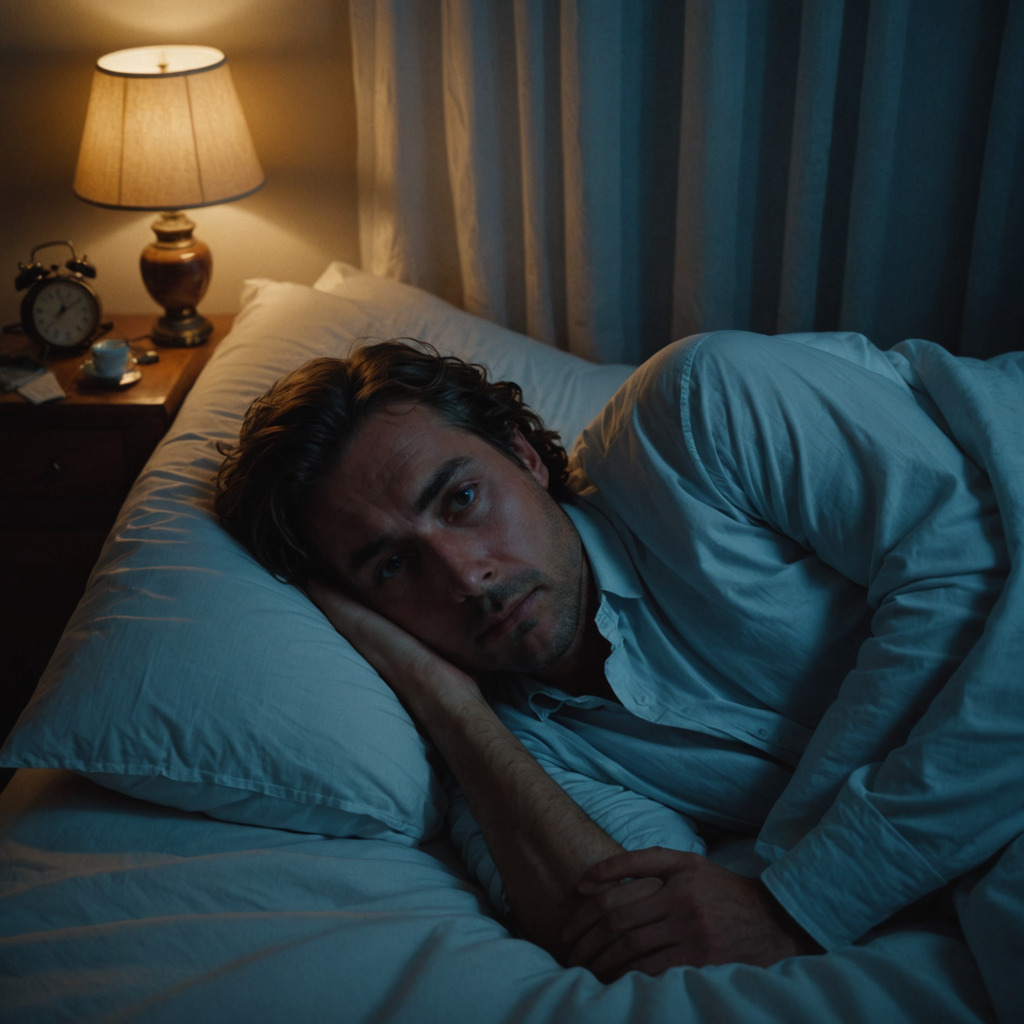
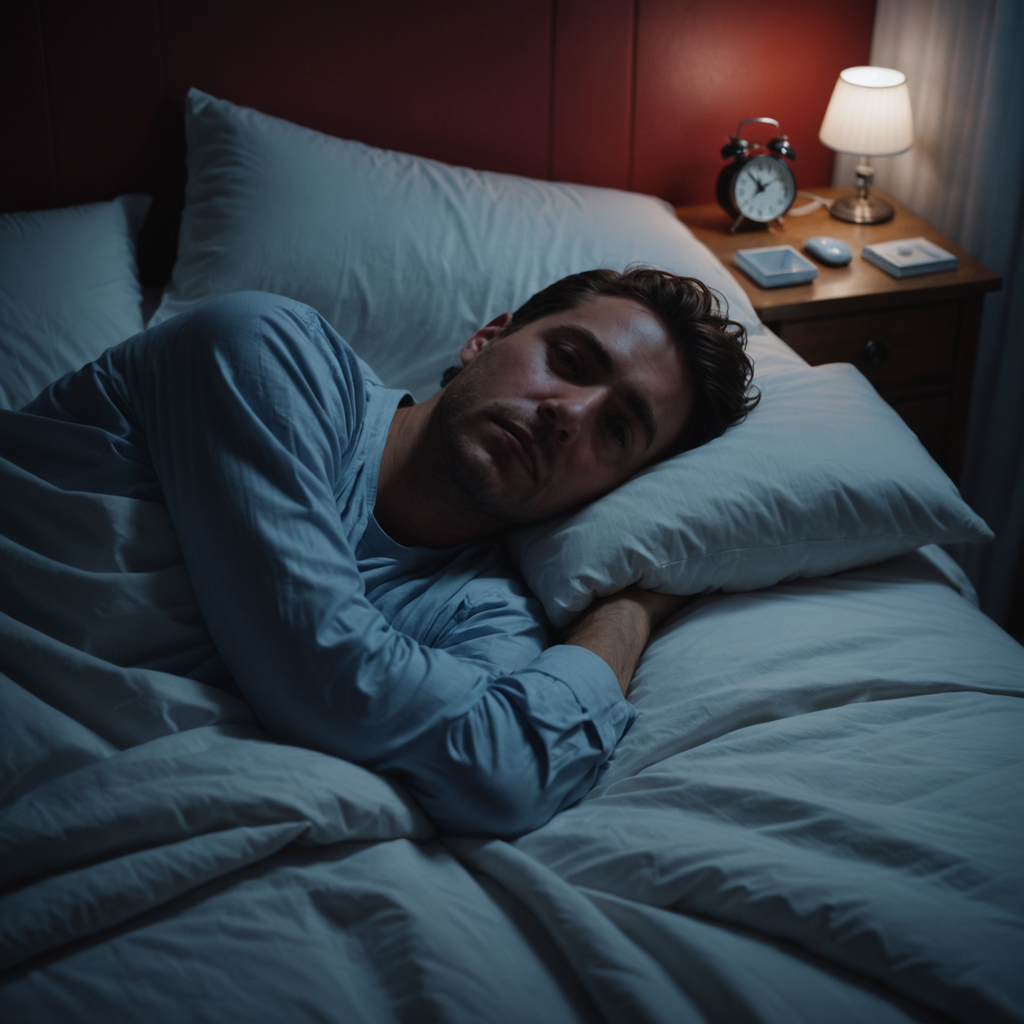
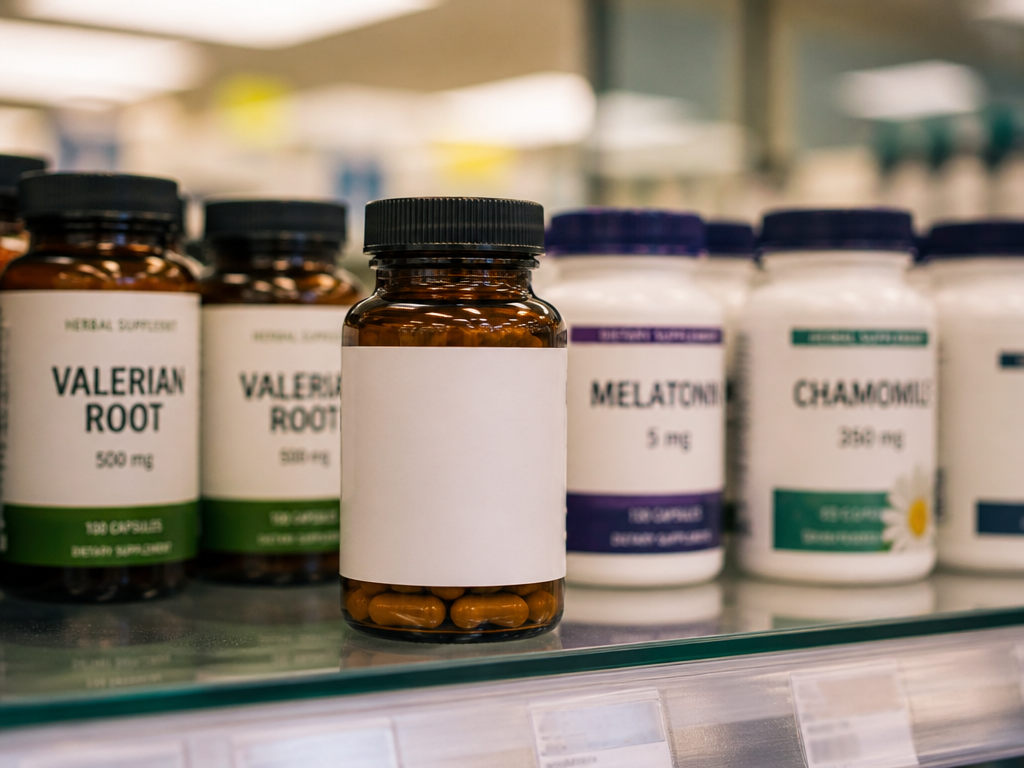
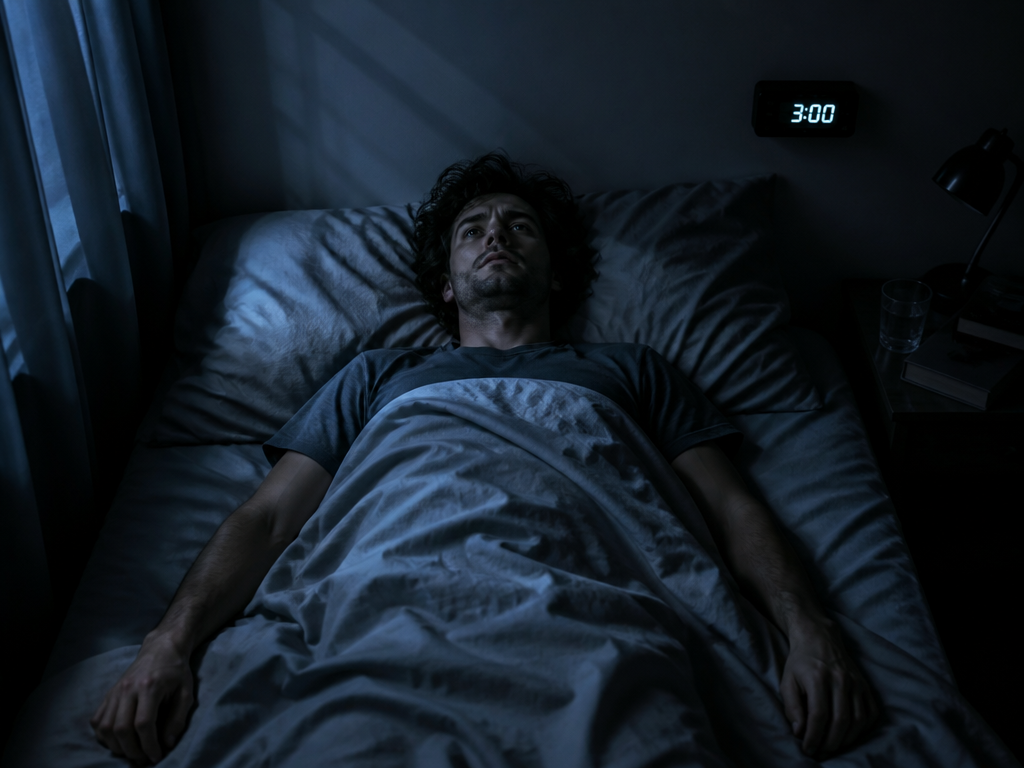
You have probably had this exact thought, lying awake at 2 a.m.: should I take something? Maybe melatonin. Maybe one of the valerian-and-magnesium blends from the good shelf at the pharmacy, the one with the matte label. The reach toward natural sleep aids is one of the most common moves in modern insomnia, and it is usually the wrong first move — not because the supplements are dangerous, but because they answer a question you haven't actually asked yet.
The better question is this: is your problem a missing chemical, or a broken behavior? For most people with chronic insomnia and no sleep apnea, it's the second. And the second has a fix with a stronger evidence base than anything you can swallow.
What works better than supplements for insomnia?
For chronic insomnia — trouble falling or staying asleep at least three nights a week for three months or more — the first-line treatment is not a pill of any kind. It's cognitive behavioral therapy for insomnia, or CBT-I. The American College of Physicians said so in a 2016 clinical guideline (Qaseem et al., Annals of Internal Medicine), recommending CBT-I as the initial treatment for all adult patients before medication is even considered.
That's a strong word, all. It's rare for a guideline to commit to a behavioral therapy over a prescription. CBT-I earned it.
The mechanism matters here, so it's worth slowing down.
How insomnia actually takes hold
Sleep is governed by two systems running at once, a model first formalized by Alexander Borbély in 1982. The first is your sleep drive (the "homeostatic" process): adenosine accumulates in the brain across your waking hours, binds to its receptors, and builds the pressure that eventually makes you drowsy. The longer you're awake, the heavier it gets. The second is your circadian clock, the roughly 24-hour rhythm — driven by light hitting the retina and timed by melatonin release from the pineal gland — that decides when that pressure is allowed to win.
Healthy sleep is these two lining up. You build enough adenosine pressure, your clock says go, you sleep.
Insomnia is what happens when behavior pulls them apart. Here's the order it usually unfolds. You have a few bad nights — stress, a deadline, a sick kid. To compensate, you go to bed earlier and lie there longer, hoping to "catch" sleep. But lying in bed awake does two things. It bleeds off adenosine pressure without giving you real sleep, so the drive that should have knocked you out is spent on the ceiling. And it teaches your brain a new association: bed is where I am tense and awake. Now the bedroom itself triggers arousal. The cortisol rises. The thing you're trying to do becomes harder the more you try.
That last part is the trap. Effortful sleep is a contradiction. You cannot try your way into unconsciousness.
How the behavioral fix reverses it
CBT-I works on exactly these levers, in roughly the reverse order they broke.
Sleep restriction rebuilds the pressure. You compress your time in bed to match the sleep you're actually getting — often six hours or less at first — which is brutal for about a week and then, by sheer adenosine accumulation, makes sleep deep and fast again. Stimulus control rebuilds the association: bed is for sleep only, and if you're awake more than fifteen or twenty minutes, you get up until you're drowsy, so your brain re-learns that bed means sleep, not vigilance. Then cognitive work addresses the catastrophizing — the "if I don't sleep I'll ruin tomorrow" loop that keeps cortisol high.
It is not relaxing in the short term. It is, however, the thing that fixes the actual machine.
What the research actually measured
The strongest single piece of evidence is a meta-analysis by Trauer et al. (2015) in the Annals of Internal Medicine, pooling 20 randomized controlled trials with 1,162 participants. People doing CBT-I fell asleep about 19 minutes faster and cut their time awake after first falling asleep by about 26 minutes, with sleep efficiency — the share of time in bed actually spent asleep — climbing close to 10 percentage points. Those gains held at follow-ups months later, which is the part pills can't match: the effect doesn't wear off when you stop, because you've changed the behavior, not borrowed a chemical.
Compare that to the alternatives. Prescription hypnotics like zolpidem work, but their own labeling and the 2016 ACP review note they tend to shave only modest time off sleep onset and carry next-day impairment and dependence risks. And the over-the-counter standby — diphenhydramine, the antihistamine in most "PM" formulas — has been associated with higher dementia risk in long-term anticholinergic use (Gray et al., 2015, JAMA Internal Medicine, a prospective study of 3,434 adults). That finding is about cumulative exposure, not one rough night, but it's a real reason to stop reaching for the pink box reflexively.
Where the answer is honestly "it depends"
Supplements aren't useless. They're just narrower than the marketing.
Melatonin is a timing signal, not a sedative. It works best for circadian problems — jet lag, delayed sleep phase, shift work — where the issue is when you sleep, not whether you can. The common evidence puts the effective dose far lower than what's sold: around 0.5 to 1 mg taken a few hours before target bedtime, not the 5 or 10 mg gummies on the shelf. For garden-variety insomnia, its effect on sleep onset is real but small, often under 10 minutes.
Valerian, magnesium, glycine, chamomile: the trials are small, inconsistent, and frequently industry-funded. The honest summary is that the data here is thinner than the confidence with which it's usually sold. Some people respond; the placebo effect for sleep is famously large; and none of these have been shown to outperform the behavioral approach.
One boundary is firm: if you snore heavily, wake gasping, or your partner has watched you stop breathing, no supplement and no behavioral program is the answer. That's possible sleep apnea, and it needs a sleep study, not a tea.
An honest rule of thumb for tonight
If you've been sleeping badly for weeks, do this before you buy anything: get out of bed when you can't sleep instead of lying there, keep a fixed wake-up time every day including weekends, and stop using the bed for scrolling, worrying, or watching the clock. Those three moves are the load-bearing parts of CBT-I, and you can start them without a prescription, an app, or a co-pay.
Then, if you still want help, ask a clinician about a structured CBT-I program — many are now free apps validated in trials.
The pill asks your body to do less. The behavior teaches it to do the thing again.