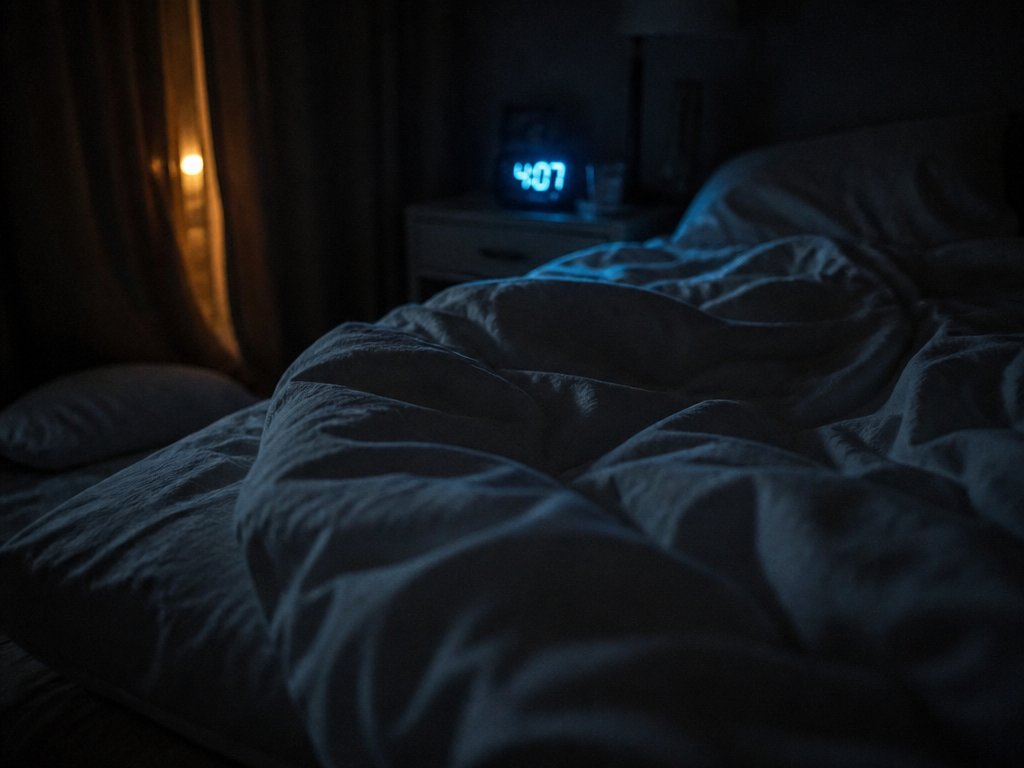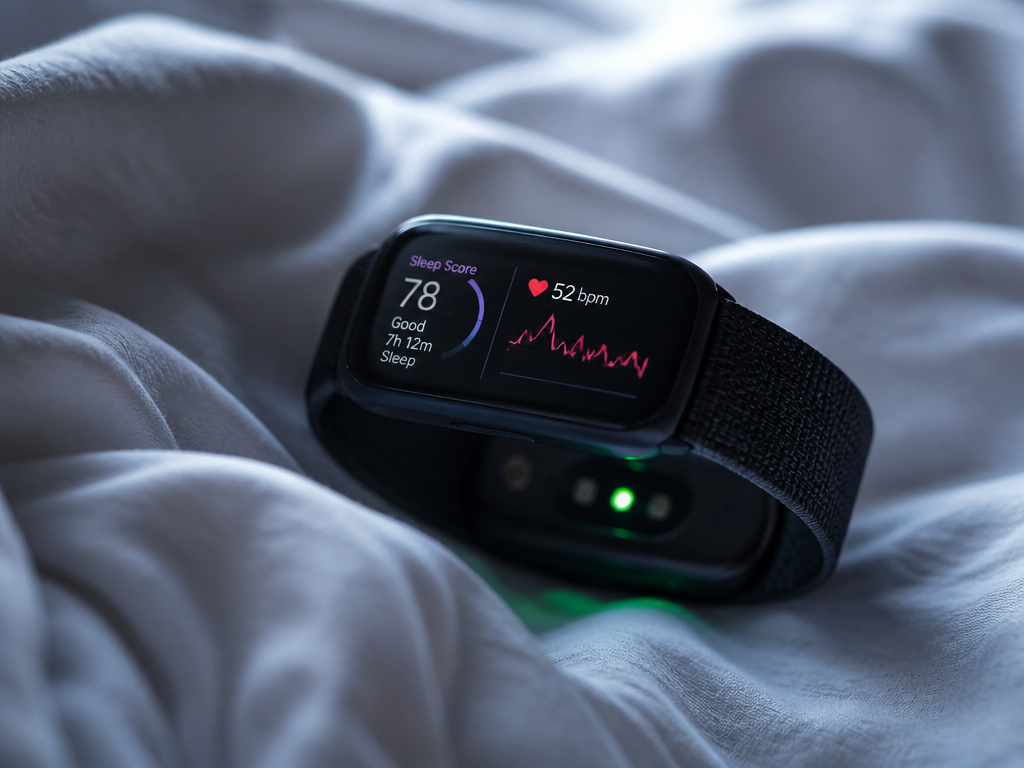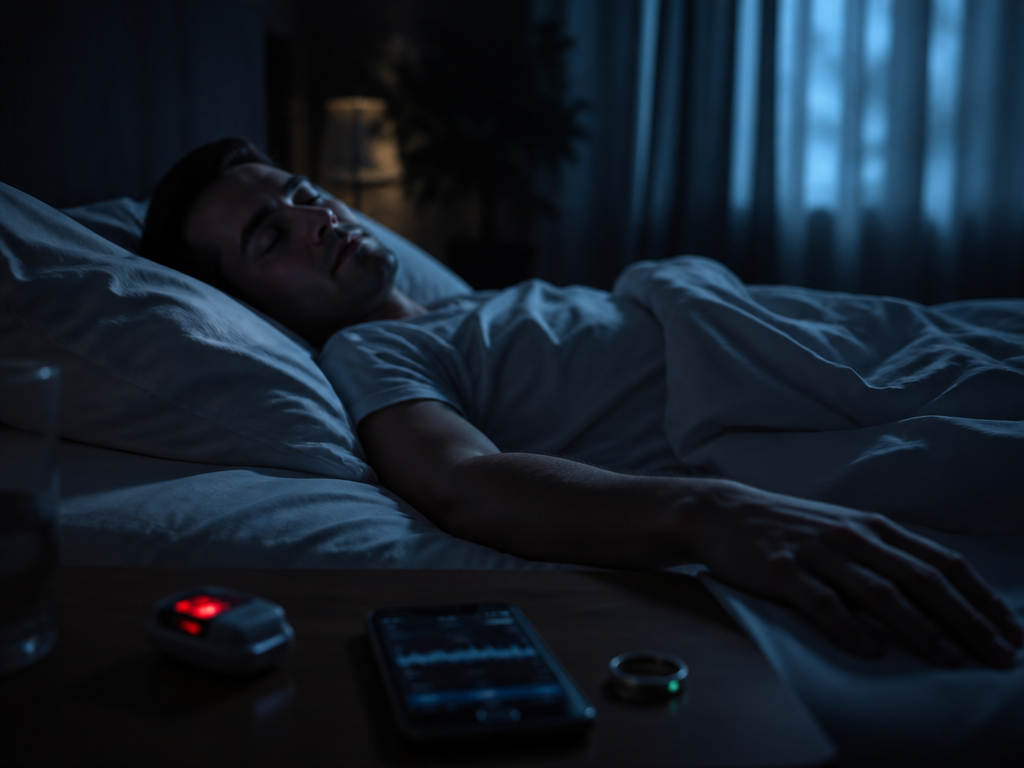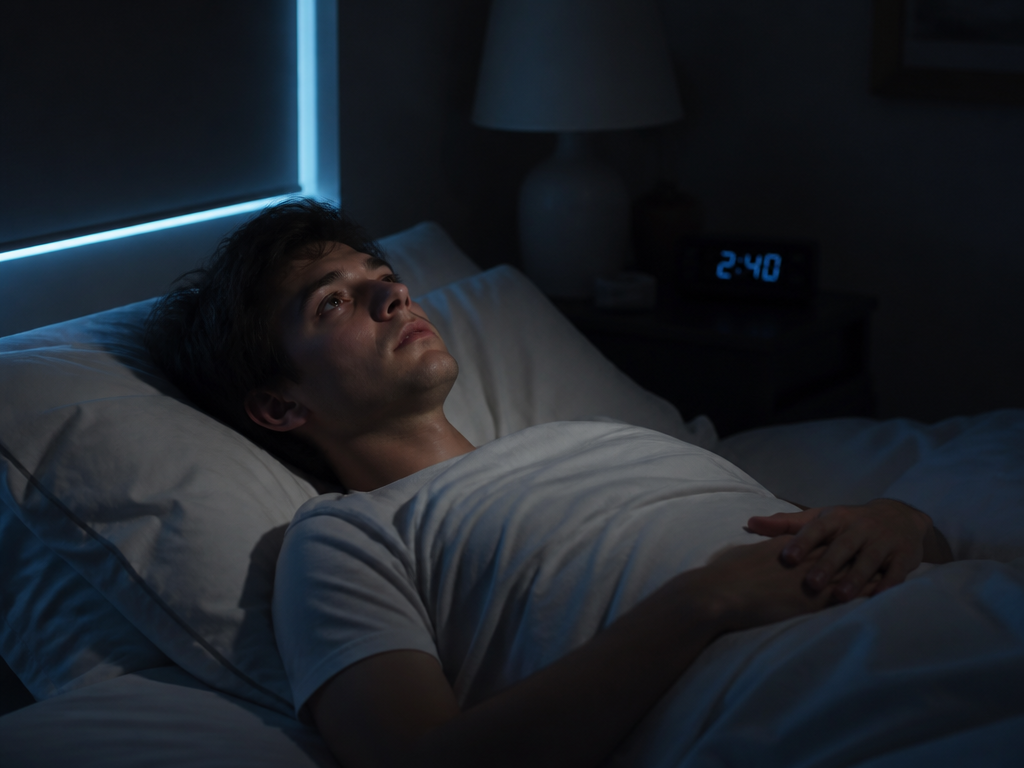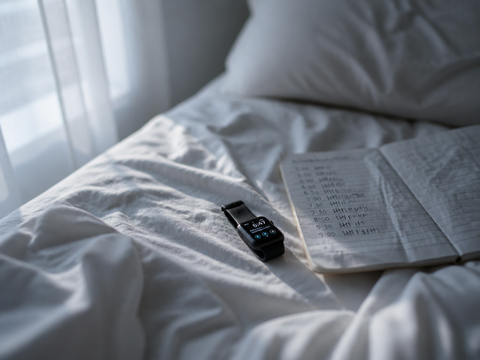
Here is the question I could not stop turning over, somewhere around the fourth night of sleeping in a watch: if I let Samsung Health AI features grade my sleep every night, whose sleep is it afterward?
Not philosophically. Practically. Can I read the raw numbers behind the score? Can I move them somewhere else? Can I delete them and confirm they are gone? I ran the experiment for six weeks to find out, and the answer is less dramatic and more annoying than either the privacy panic or the marketing suggests.
The verdict: you can get most of your health data out and you can delete most of it, but the export is thinner than what the system knows about you, and the features people actually buy the watch for are precisely the ones that stop working when you turn the cloud off.
What I actually did
Forty-two consecutive nights, a Galaxy Watch on my left wrist, a Samsung account I created fresh for the test so nothing was contaminated by eight years of prior data. Alongside it I kept a paper caffeine log: every drink, the clock time, and an estimated dose. I used 65 mg for a double espresso and 95 mg for a mug of filter, which are averages with error bars of maybe thirty percent in either direction — my grinder is not a laboratory.
I ran the six weeks in three configurations of two weeks each: everything switched on, cloud sync disabled with the account still attached, and finally no Samsung account at all. At the end I requested a full data export, then deleted a specific night and went looking for its corpse.
Sample size of one sleeper, one device, one region, one software version. Treat it accordingly.
The four configurations, and what each one costs
| Setup | What still worked | What broke | Where data went |
|---|---|---|---|
| Account + full sync + AI coaching | Sleep score, staged coaching, weekly summaries, cross-device continuity | Nothing | Watch → phone → Samsung cloud |
| Account, sync off | Nightly sleep stages, heart rate, basic score on the phone | Longitudinal coaching went vague within days; multi-week trends stopped updating | Watch → phone, mostly |
| No account, watch + phone only | Raw-ish sensor data, session timings | Most AI-derived guidance unavailable or gated | Watch → phone |
| Third-party app via Health Connect | Whatever the receiving app does with stages and heart rate | Samsung's own analysis, obviously | Watch → phone → whichever company you just handed it to |
The useful finding in that table is row four. "I don't trust the big platform" often ends with the data going to a smaller company with a worse security team and a shorter life expectancy. Health Connect makes moving data easy, which is genuinely good, and it makes moving data thoughtlessly easy, which is not.
The AI did not need my caffeine log
This was the part that changed how I think about the whole category.
For the first three weeks I logged caffeine only on paper. I told the app nothing. My habit during that stretch was deliberately bad: a 4:30 p.m. flat white on five of fourteen days, roughly 130 mg, on top of a morning that already ran 250 mg or so.
The coaching never said the word coffee. It did not have to. On the five late-caffeine nights my recorded sleep onset ran long — the app put me somewhere in the twenty-five to forty minute range against a baseline nearer twelve — and the guidance I got back sharpened accordingly: consistency prompts, wind-down nudges, a note about my bedtime drifting. It had correctly identified a pattern I had not disclosed, from wrist movement and heart rate alone.
In weeks four through six I logged the caffeine properly in the app. The coaching got slightly more specific and considerably more confident. But the delta was small, and that is the point worth sitting with: the privacy question is not what you tell these systems, it's what they can derive from signals you cannot switch off without taking the watch off. Consent screens are written about disclosure. Inference is the thing that actually happens.

I cannot tell you which model produced that inference, whether it ran on the watch, the phone, or a server. Samsung says a meaningful share of processing is on-device, and there is an on-device-only toggle for some AI functions. I have no instrument that can verify that claim from the outside. Neither does any reviewer who tells you otherwise.
The export test
This is where I'd suggest anyone skeptical actually start, because it takes about ten minutes and is more informative than a privacy policy.
Samsung Health has a data download. I requested mine, it arrived as a zip of CSVs, and it was substantial — sleep sessions with start and end timestamps, stage breakdowns, heart rate samples, blood oxygen readings, step counts, the lot. Forty-two nights came to a few megabytes. It opened in a spreadsheet without a fight, which is more than I can say for some competitors' exports.
What was not in it mattered more.
- The sleep score itself was there as a number. The inputs that produced the number were not weighted or explained.
- The coaching text history — the actual sentences the system had shown me over six weeks — did not come back in any form I could find.
- There was no record of which analyses ran where, or when.
So you can retrieve your measurements. You cannot retrieve the interpretation, and the interpretation is the product. If you left the ecosystem tomorrow you would take your raw sleep with you and leave behind everything the system had concluded about you. That asymmetry is not unique to Samsung. It is close to universal in this category, and nobody markets it.
The deletion test
I picked one night — a bad one, 4:30 p.m. coffee, forty-one minutes to fall asleep — and deleted it.
It vanished from the phone immediately and from the watch within a minute or two. It was gone from the web view when I checked the same evening. Weekly averages recalculated without it. As far as every surface I can see is concerned, that night did not happen.
What I cannot tell you is whether it is gone from every backup, log, and derived aggregate on hardware I will never touch. I have no way to audit a server I don't own. Under UK and EU rules there is a legal deletion obligation with real enforcement behind it; in the US the picture is patchier and health data outside a clinical setting sits largely outside HIPAA. My honest position is that the interface did exactly what it promised and that the interface is the only thing I tested.
Where the answer is genuinely "it depends"
Three things move the answer enough that I won't generalise past them.
Your region. Deletion and export rights are legal facts in the UK and EU, and largely commercial courtesies elsewhere. Same app, different guarantees.
Which app. The main health app, the ECG and blood pressure monitor app, and the research programme are separate things with separate consent. Enrolling in research is a real and different decision from wearing the watch, and it is opt-in — check whether you ticked it.
Which tier. Some AI-derived scoring sits behind a membership or a newer phone. Feature availability shifts every release, and menu paths move with it. Anything I write here about where a toggle lives will be wrong within a year.
Who this is for, and who it isn't
Worth it if you want a nightly signal you'll actually look at, you're comfortable with one large company holding pattern data about your body, and you value the coaching more than the raw stream. The inference is good. The late-caffeine detection was correct without being told.
Not worth it if you want auditable, verifiable local processing. That product does not exist at consumer prices. Also skip it if the score will make you anxious — six weeks in, I noticed I was going to bed to protect a number, which is its own sleep problem.
The clear winner in this test wasn't a setting — it was the export button. Use it before you decide how you feel.
One thing to try this week
Request your data export tonight. When it lands, open the sleep file, find one night you remember clearly, and compare the raw numbers to the score you were shown that morning. Ten minutes. You'll learn more about what the system knows, and what it only guesses, than from anything a company or a reviewer tells you — including this.