Megan Caldwell
Sleep Hygiene Isn't a Bedtime Routine: What Actually Moves the Needle
There is a version of sleep advice — you have read it, probably this week — that reads like a spa menu. Dim the lights. Lavender. No screens after nine. A cool, dark room. A cup of chamomile.

The Quiet Cost of Daylight Saving Time: What "Gaining an Hour" Actually Does to Your Circadian Rhythm
Every fall, around the first Sunday in November, a particular sentence makes the rounds at dinner tables: at least this is the good one — we get an hour back.
After a Sleep Apnea Diagnosis: What's Actually Happening in Your Throat, and What Happens Next
There is a number on the report. It is usually the first thing a person notices, even before the doctor's name at the top.
CPAP Batteries: What CPAP Therapy Actually Demands on the Road
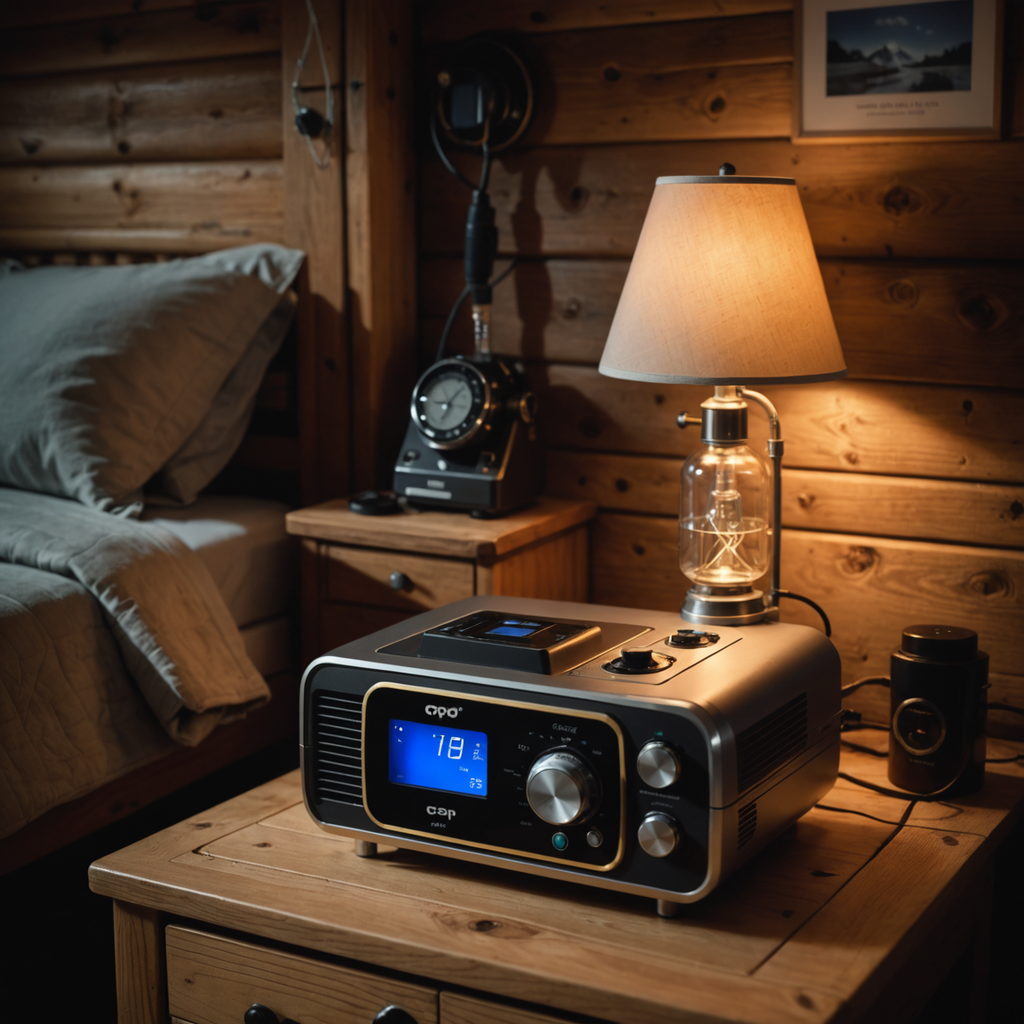
The common advice runs like this: if you use a CPAP and you want to travel, buy a battery, plug it in, sleep anywhere.
The Circadian Rhythm Is Older Than You Think — and Younger Than the Science
The idea that the human body keeps its own time — that there is a clock running inside us, independent of sunrise — sounds like something we have always known. We haven't.
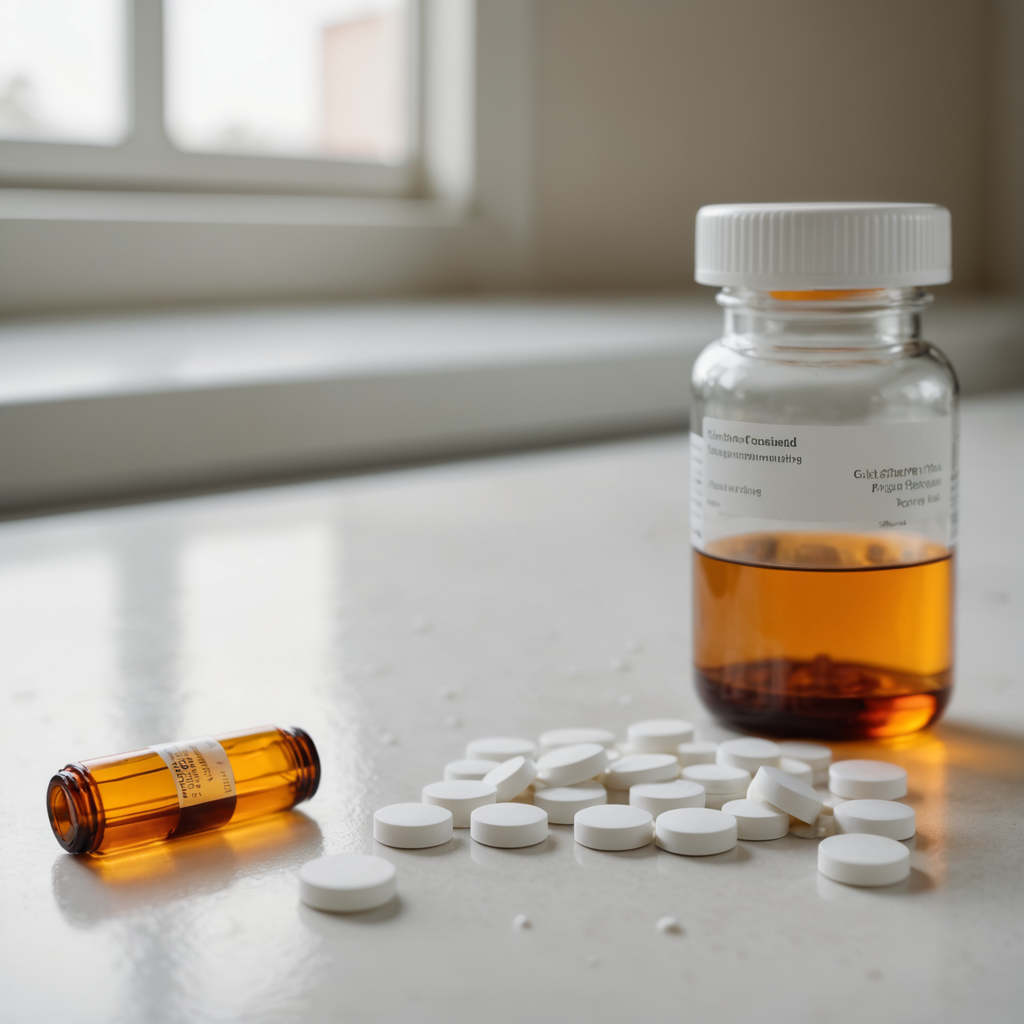
Dexamphetamine vs Methylphenidate for Narcolepsy: An Australian Wake-Promoting Medication Guide
There is a quiet contradiction in Australian narcolepsy care: the cheapest, oldest, most heavily regulated wake-promoting medication on the shelf — dexamphetamine, a drug first synthesised in 1887…
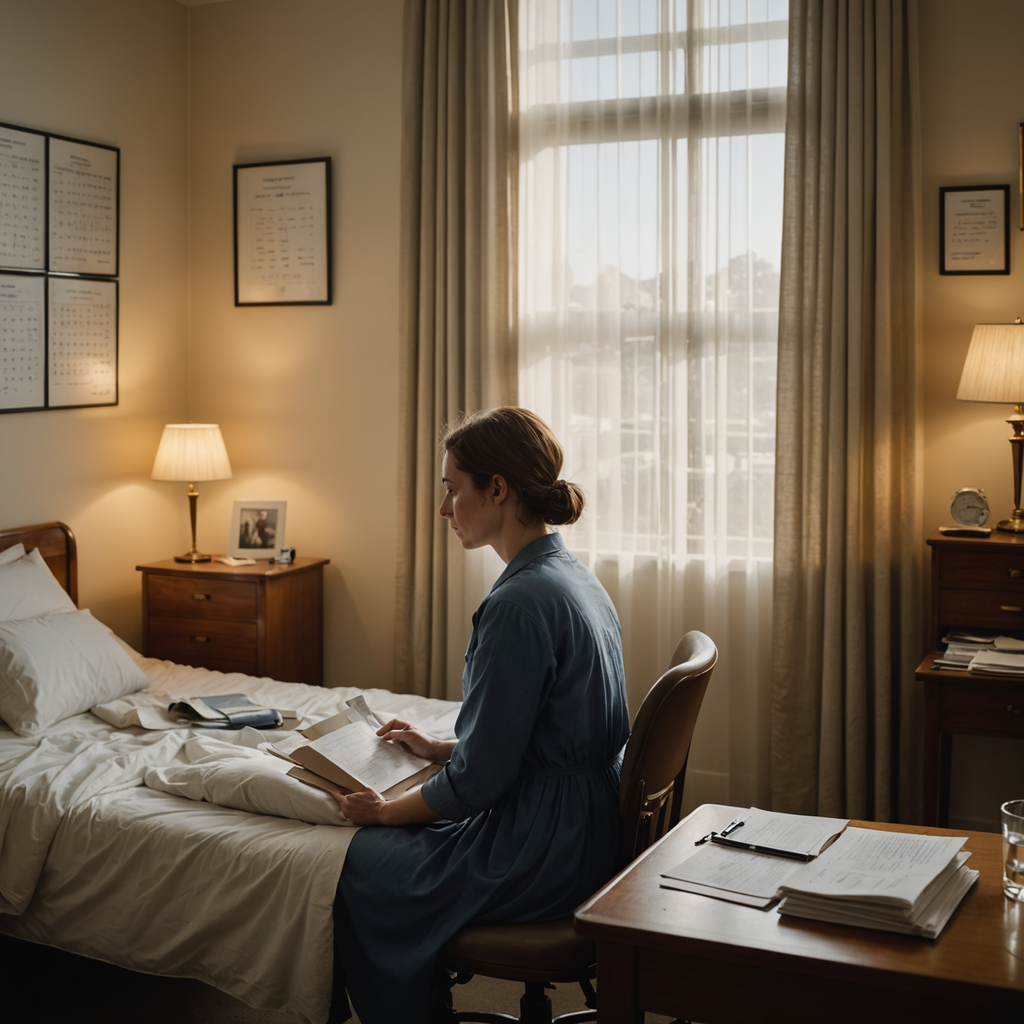
How to Actually Get Xyrem in Australia: A Procedural Roadmap for Patients with Narcolepsy
A woman in her early thirties sits across from me in a clinic room in inner Sydney with a printout in her lap. She has had narcolepsy with cataplexy since she was nineteen.
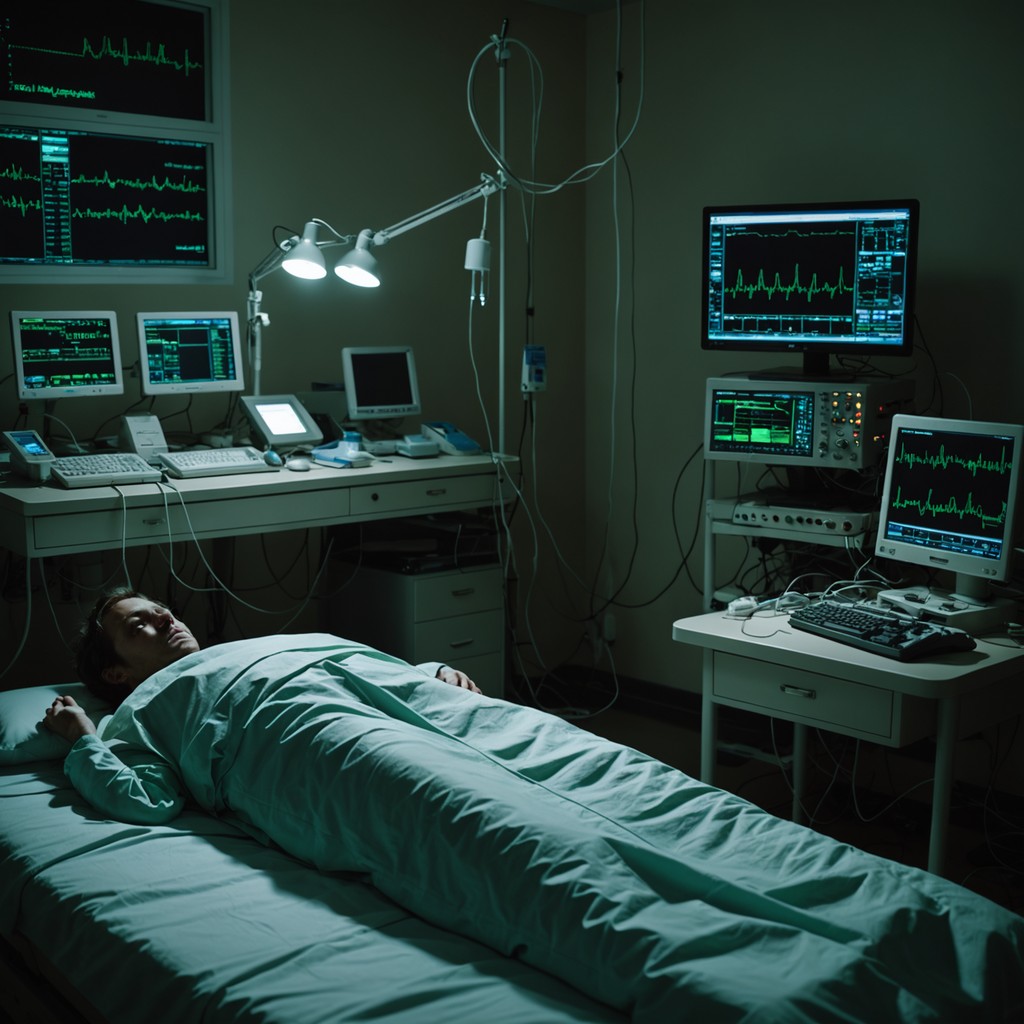
Daytime Sleepiness in Chronic Fatigue Syndrome: What the Sleep Lab Can and Can't Tell You
When a patient walks into the clinic and says, "I'm tired all day, I can barely function, my sleep must be broken" — the logic feels airtight. It usually isn't.
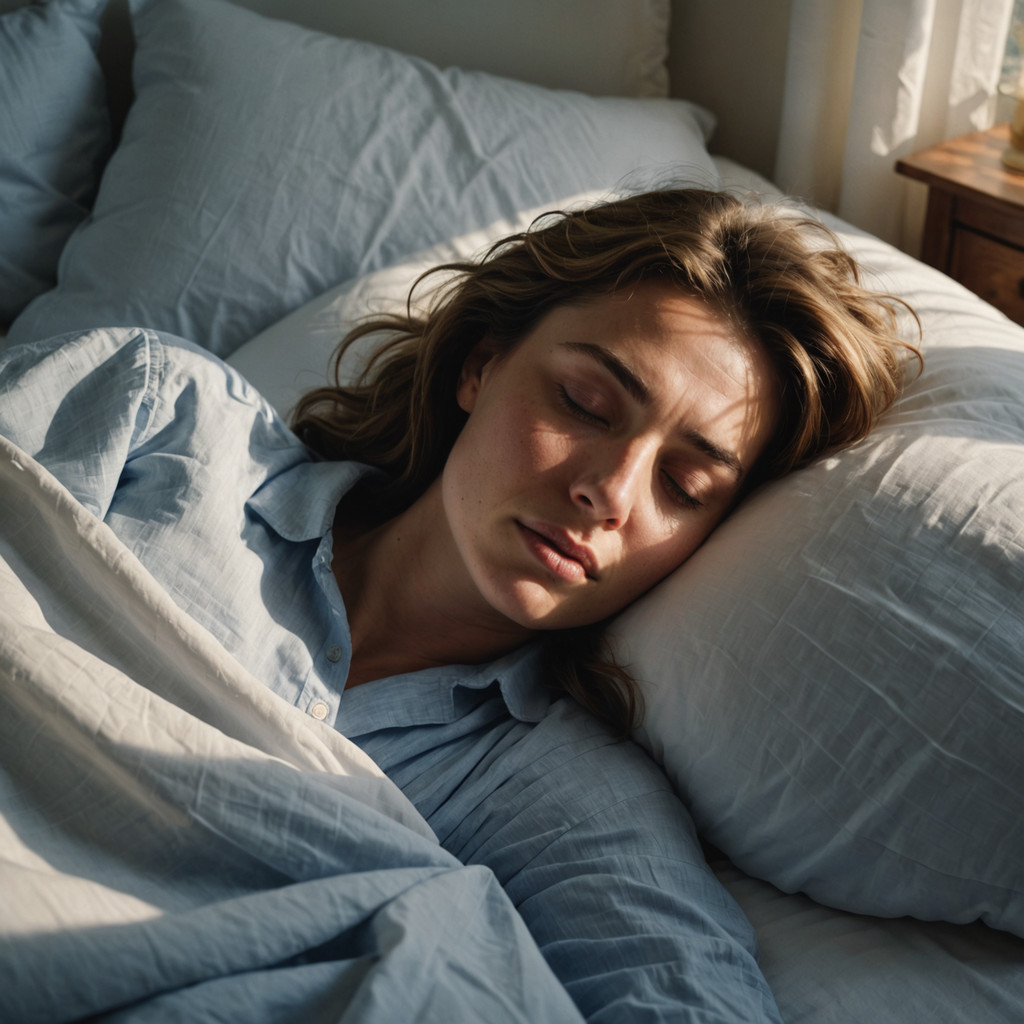
If I'm sleeping nine hours a night, why am I still exhausted? A clinical look at idiopathic hypersomnia
If you sleep nine or ten hours a night, wake up feeling as if you haven't slept at all, nap for two hours in the afternoon, and still find yourself fighting to stay upright at 4pm — and your bloods…